
Descripción del Producto
Rover LHP101630 LHB101630 Tensioner Pulley, timing belt
OEM:LHP101630 LHB101630
REF NO.: VKM17307 ATB2406 CHINAMFG 53157110 RUVILLE 56119
SIZE:60*32
APPLICATION:”LANDROVER FREELANDER (LN) (1998/02 – 2006/10)
FREELANDER (LN) 2.5 V6 4×4 25 K4F Closed Off-Road Vehicle 00/11 – 06/10
ROVER 800 Coupe (1992/08 – 1999/02)
800 Coupe 825 Si (RS) 25 K4F Coupe 96/04 – 99/02
ROVER 800 Hatchback (XS) (1986/10 – 1999/02)
800 Hatchback (XS) 2.5 25 K4F Hatchback 96/02 – 98/10
800 Hatchback (XS) 2.5 Si 25 K4F Hatchback 96/02 – 98/10
ROVER 800 (XS) (1986/10 – 1999/02)
800 (XS) 825 Si Lux (RS) 25 K4F Saloon 96/04 – 99/02
ROVER 75 (RJ) (1999/02 – 2005/05)
75 (RJ) 2.5 V6 25 K4F Saloon 01/10 – 05/05
75 (RJ) 2.0 V6 20 K4F Saloon 99/02 – 05/05
75 (RJ) 2.5 V6 KV 6 Saloon 99/02 – 01/10
ROVER 45 (RT) (2000/02 – 2005/05)
45 (RT) 2.0 V6 20 K4F Hatchback 00/02 – 05/05
ROVER 45 Saloon (RT) (2000/02 – 2005/05)
45 Saloon (RT) 2.0 V6 20 K4F Saloon 00/02 – 05/05
ROVER 75 Tourer (RJ) (2001/08 – 2005/05)
75 Tourer (RJ) 2.0 V6 20 K4F Estate 01/08 – 05/05
75 Tourer (RJ) 2.5 V6 KV 6 Estate 01/08 – 05/05
MG ZS (2001/07 – 2005/04)
MG ZS 180 25 K4F Saloon 01/07 – 05/04
MG ZS Hatchback (2001/07 – 2005/10)
MG ZS Hatchback 180 25 K4F Hatchback 01/07 – 05/10
MG ZT (2001/06 – 2005/07)
MG ZT 160 25 K4F Saloon 01/06 – 05/07
MG ZT 180 25 K4F Saloon 03/01 – 05/07
MG ZT 190 25 K4F Saloon 01/06 – 05/07
MG ZT- T (2001/10 – 2005/07)
MG ZT- T 180 25 K4F Estate 03/01 – 05/07
MG ZT- T 160 25 K4F Estate 01/10 – 05/07
MG ZT- T 190 25 K4F Estate 01/10 – 05/07
MG 7 (2007/07 – 2008/12)
7 2.5 25V6S Saloon 07/08 – 07/12
Product Parameters
OEM NO. | LHP101630 LHB101630 |
| Application | LANDROVER |
Place of CHINAMFG | ZHangZhoug, China |
Material | Aluminium |
| Product Name | Tensioner Pulley |
Reference NO. | |
Packing | Neutral Packing |
SHIPPING TERM | Sea/Air |
Quality | 100%tested |
Size | same as OEM |
/* 22 de enero de 2571 19:08:37 */!function(){function s(e,r){var a,o={};try{e&&e.split(“”,).forEach(function(e,t){e&&(a=e.match(/(.*?):(.*)$/))&&1
| After-sales Service: | 1 Year |
|---|---|
| Warranty: | 1 Year |
| Certification: | CCC, ISO9001, TS16949 |
| Muestras: | US$ 30/Piece 1 unidad (pedido mínimo) | Order Sample |
|---|
| Personalización: | Disponible | Solicitud personalizada |
|---|
.shipping-cost-tm .tm-status-off{background: none;padding:0;color: #1470cc}
| Shipping Cost: Estimated freight per unit. | about shipping cost and estimated delivery time. |
|---|
| Payment Method: |
|
|---|---|
| Initial Payment Full Payment |
| Currency: | US$ |
|---|
| Return&refunds: | You can apply for a refund up to 30 days after receipt of the products. |
|---|
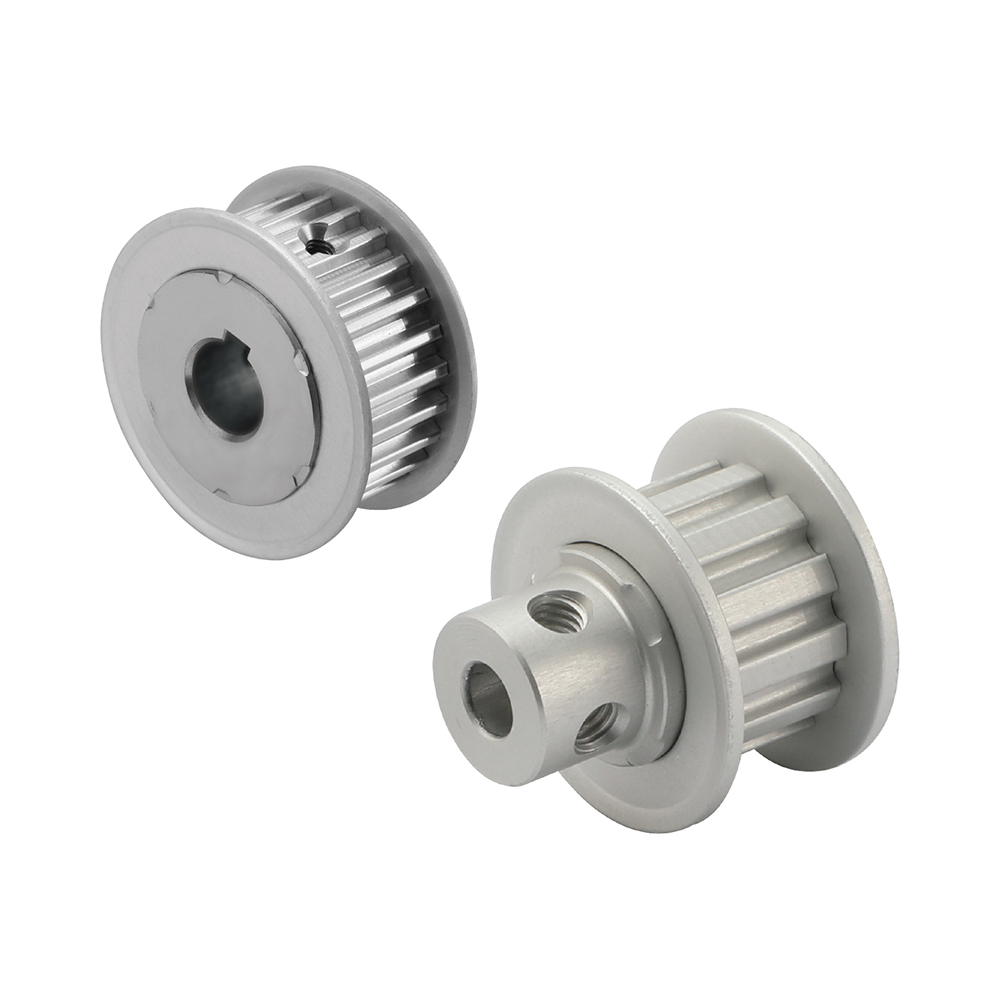
How do timing pulleys contribute to efficient power distribution?
Timing pulleys play a crucial role in ensuring efficient power distribution in various mechanical systems. Here’s how timing pulleys contribute to efficient power distribution:
1. Precise Timing and Synchronization:
Timing pulleys, in conjunction with timing belts or chains, synchronize the rotation of different components within a system. By maintaining precise timing between the input and output shafts, timing pulleys ensure that power is distributed accurately and efficiently. This synchronization prevents power loss due to misalignment or timing discrepancies.
2. Positive Drive System:
Timing pulleys create a positive drive system when paired with timing belts or chains. The teeth on the pulleys interlock with the teeth on the belt or chain, creating a firm grip that eliminates slippage. This positive drive ensures that power is efficiently transmitted from the driving pulley to the driven pulley without any energy loss.
3. Load Distribution:
Timing pulleys help distribute the load evenly across the system by transmitting power from the driving pulley to the driven pulley. The pulley’s design and tooth profile enable the load to be distributed over a larger contact area, reducing stress concentration on individual components. This even load distribution enhances the overall efficiency of power transmission.
4. Reduced Friction and Wear:
Timing pulleys, particularly those made of materials with low friction coefficients, minimize friction and wear during power transmission. The smooth engagement between the pulley teeth and the belt or chain reduces energy losses caused by friction. Additionally, materials with excellent wear resistance properties extend the lifespan of the pulleys, ensuring long-term efficiency.
5. Control de tensión:
Timing pulleys, in combination with tensioner and idler pulleys, help maintain the appropriate tension in the timing belt or chain. Proper tension control ensures that the belt or chain remains securely engaged with the pulleys, preventing power loss due to slippage. By maintaining optimal tension, timing pulleys contribute to efficient power distribution throughout the system.
6. System Optimization:
Timing pulleys allow for system optimization by providing flexibility in gear ratios and power transmission configurations. By selecting pulleys with different diameters or tooth profiles, engineers can adjust the speed and torque distribution within the system. This optimization ensures that power is distributed efficiently, matching the requirements of the specific application.
Overall, timing pulleys ensure efficient power distribution by providing precise timing, creating a positive drive system, evenly distributing loads, reducing friction and wear, controlling tension, and enabling system optimization. These factors contribute to the overall efficiency, reliability, and performance of mechanical systems where timing pulleys are utilized.
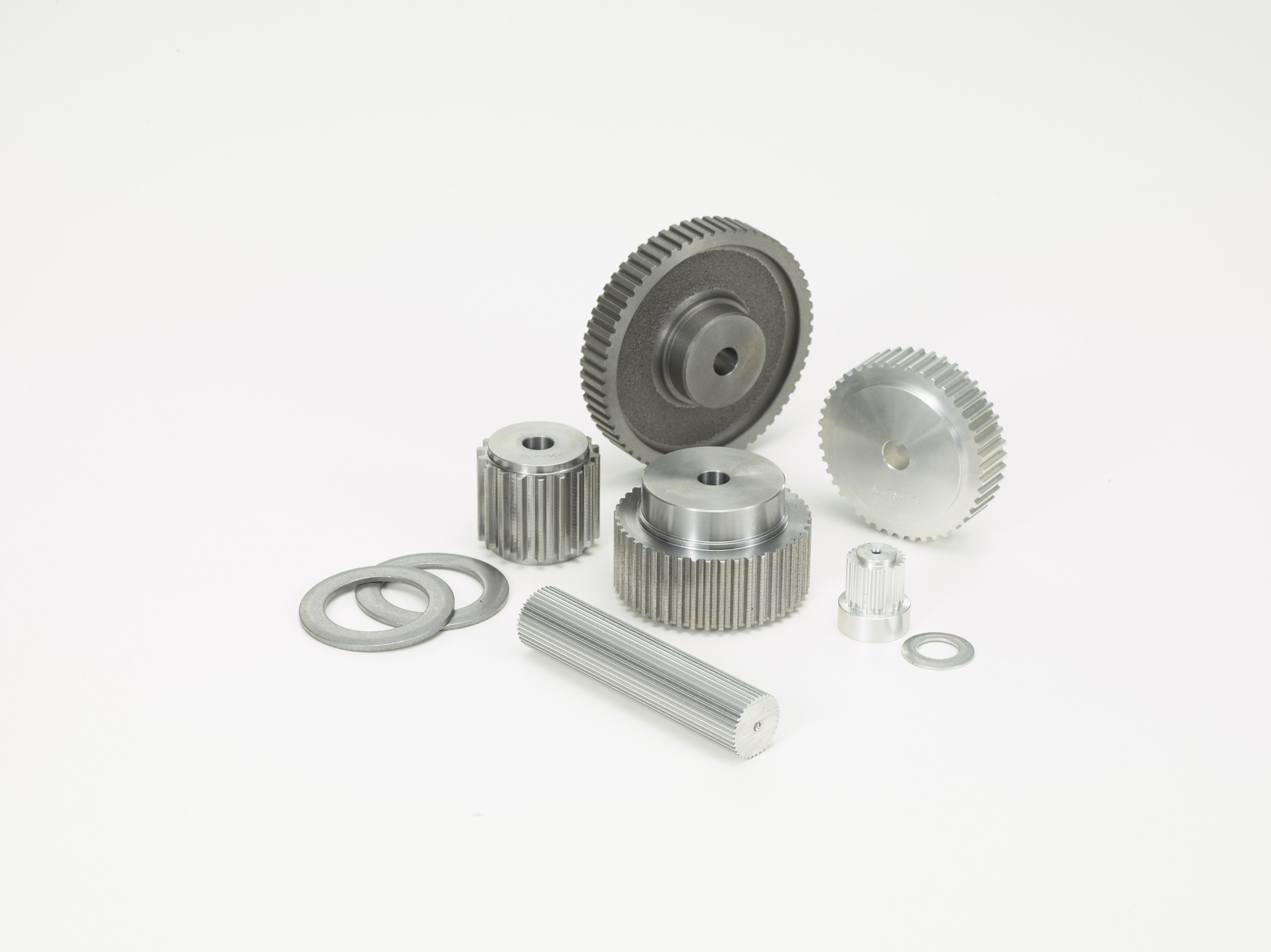
¿Qué precauciones de seguridad deben tenerse en cuenta al trabajar con poleas de distribución?
Trabajar con poleas de distribución requiere prestar mucha atención a la seguridad para prevenir accidentes y lesiones. A continuación, se presentan algunas consideraciones de seguridad esenciales que debe tener en cuenta:
1. Formación adecuada:
Asegúrese de que las personas que trabajan con poleas de distribución hayan recibido la capacitación adecuada sobre su manejo y funcionamiento seguros. La capacitación debe abarcar temas como los procedimientos de instalación correctos, las pautas de mantenimiento y la comprensión de los riesgos asociados con los sistemas de poleas de distribución.
2. Equipo de protección personal (EPP):
Utilice el equipo de protección personal adecuado, incluyendo gafas de seguridad, guantes y cualquier otro equipo de protección necesario, al trabajar con poleas de distribución. El equipo de protección personal ayuda a proteger contra posibles peligros como fragmentos que salen disparados, bordes afilados o el contacto accidental con piezas móviles.
3. Procedimientos de bloqueo/etiquetado:
Siga los procedimientos de bloqueo/etiquetado establecidos al realizar tareas de mantenimiento o reparación en maquinaria equipada con poleas de distribución. Estos procedimientos consisten en aislar la fuente de alimentación, desenergizar el sistema y asegurarlo con un candado o etiqueta para evitar el arranque o la energización inesperados.
4. Protección de maquinaria:
Asegúrese de que las poleas de distribución estén debidamente protegidas para evitar el contacto accidental. Instale protecciones, barreras o cerramientos adecuados para evitar que los dedos, la ropa u otros objetos entren en contacto con las poleas o correas en movimiento.
5. Inspección y mantenimiento regulares:
Inspeccione periódicamente las poleas de distribución para detectar signos de desgaste, daños o desalineación. Reemplace de inmediato cualquier componente desgastado o dañado para garantizar un funcionamiento seguro. Siga el programa y los procedimientos de mantenimiento recomendados por el fabricante.
6. Evite la ropa y las joyas sueltas:
Evite usar ropa suelta, joyas o cualquier otro objeto que pueda engancharse en las poleas de distribución o la maquinaria asociada. La ropa o los accesorios sueltos pueden suponer un riesgo significativo de enredo o lesiones.
7. Levantamiento y manipulación adecuados:
Al manipular poleas de distribución o equipos similares, utilice técnicas y equipos de elevación adecuados para evitar esfuerzos excesivos o lesiones. Solicite ayuda cuando manipule poleas pesadas o voluminosas.
8. Evaluación de riesgos:
Realice una evaluación exhaustiva de los riesgos de la maquinaria y el entorno laboral para identificar las medidas de seguridad adicionales que puedan ser necesarias. Considere factores como los niveles de ruido, la ventilación y la ergonomía para garantizar un entorno de trabajo seguro.
9. Parada y apagado de emergencia:
Asegúrese de que la maquinaria equipada con poleas de sincronización tenga botones o interruptores de parada de emergencia accesibles. Familiarícese con la ubicación y el funcionamiento de estos dispositivos de parada de emergencia y sepa cómo apagar la maquinaria rápidamente en caso de emergencia.
10. Siga las instrucciones del fabricante:
Siga las directrices, instrucciones y advertencias del fabricante específicas para las poleas de distribución y la maquinaria asociada. Los fabricantes proporcionan información valiosa sobre el funcionamiento seguro, los procedimientos de mantenimiento y las precauciones de seguridad recomendadas.
Siguiendo estas recomendaciones de seguridad, las personas pueden minimizar los riesgos asociados con el trabajo con poleas de distribución y promover un entorno de trabajo seguro.
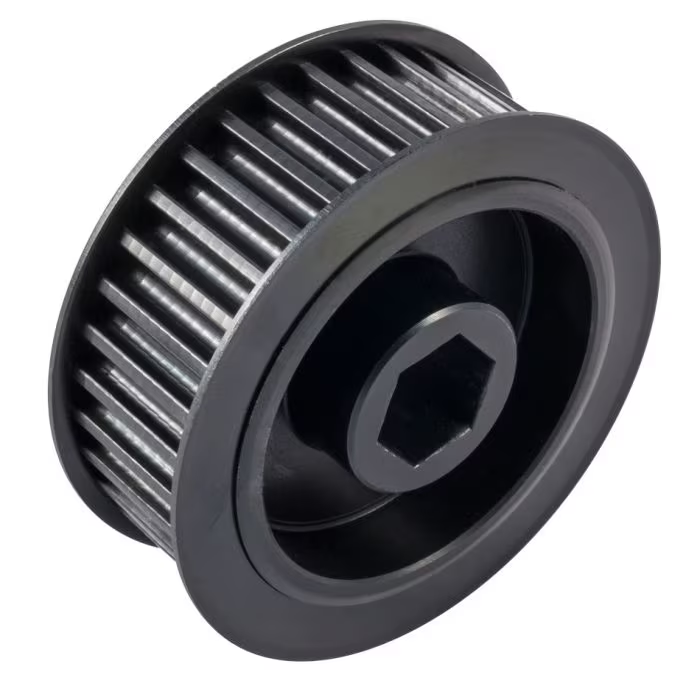
What are the key components of a timing pulley system?
A timing pulley system consists of several key components that work together to provide precise power transmission and motion control. These components include:
1. Timing Pulley:
The timing pulley is the central component of the system. It is a toothed pulley with grooves or teeth on its circumferential surface that mesh with the teeth on the timing belt. The timing pulley transfers rotational motion and power between the driving and driven shafts, ensuring accurate timing and synchronization.
2. Timing Belt:
The timing belt is a toothed belt that runs around the timing pulleys. It has teeth that mesh with the teeth on the timing pulley, creating a positive drive system. The timing belt transmits power from the driving pulley to the driven pulleys while maintaining precise timing and synchronization. Timing belts are typically made of rubber or polymer materials with reinforcing cords for strength.
3. Tensioner:
A tensioner is used to maintain proper tension in the timing belt. It applies tension to the timing belt to prevent slack or excessive tightness, ensuring optimal power transmission and preventing belt skipping or jumping teeth. Tensioners can be spring-loaded or adjustable, depending on the specific system requirements.
4. Idler Pulley:
An idler pulley is an additional pulley used to guide the timing belt and change its direction. It helps to maintain the proper tension and alignment of the timing belt as it wraps around the pulleys. Idler pulleys are typically used in systems with complex routing or when additional support is needed to prevent belt vibration or noise.
5. Shaft or Axle:
The shaft or axle serves as the support for the timing pulleys and allows them to rotate. It is usually connected to a driving source, such as a motor or engine, to provide rotational motion. The shaft or axle needs to be properly aligned and secured to ensure smooth and accurate power transmission.
6. Mounting Hardware:
Mounting hardware includes bolts, screws, or fasteners used to secure the timing pulleys, tensioner, idler pulleys, and other components to their respective locations. The mounting hardware ensures proper alignment and stability of the timing pulley system.
7. Covers and Guards:
In some applications, timing pulley systems may be enclosed with covers or guards for protection. These covers prevent dust, debris, or contaminants from entering the system, which could affect the performance and lifespan of the timing belt and pulleys. Covers and guards also provide a safety barrier, preventing accidental contact with moving parts.
Each of these components plays a crucial role in a timing pulley system, working together to achieve accurate power transmission, precise timing, and synchronization. Proper installation, alignment, and maintenance of these components are essential for the reliable and efficient operation of the timing pulley system.


Editor por CX
2024-04-04