
उत्पाद वर्णन
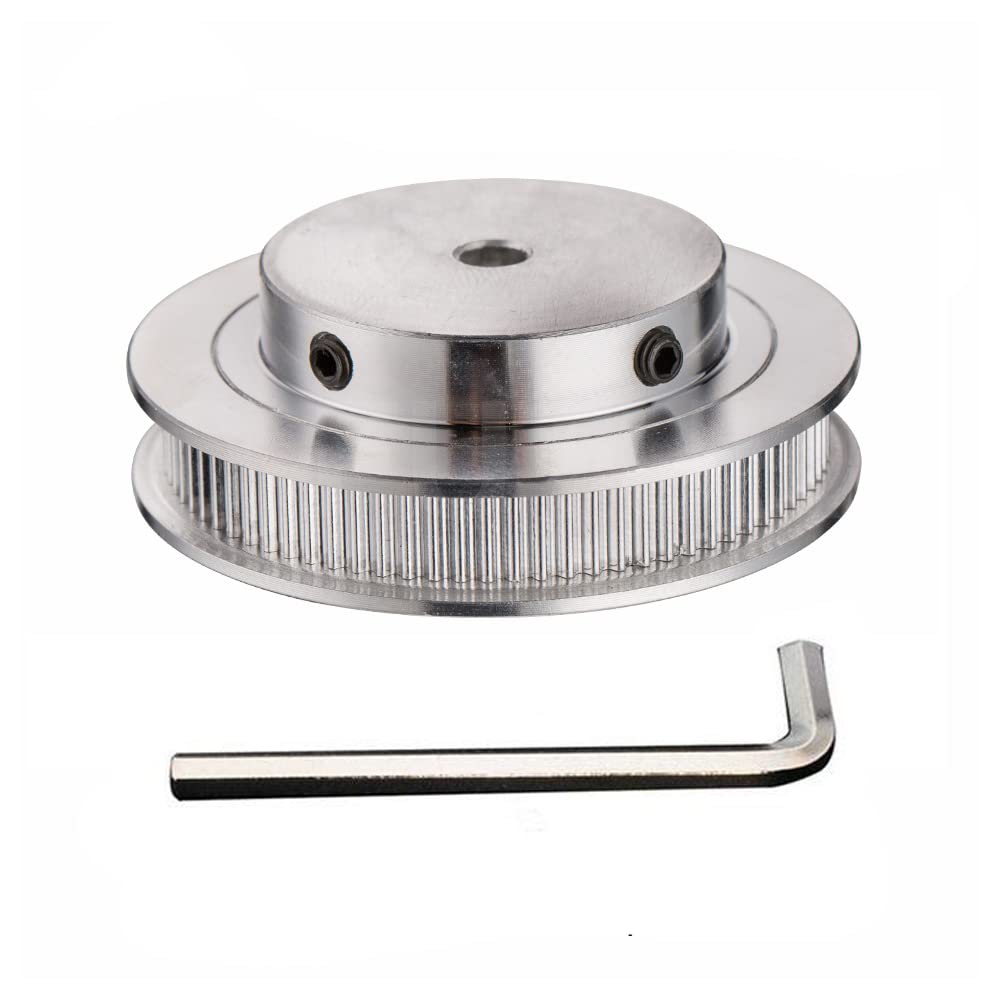
Aluminium / Copper Alloy timing pulley
1. Description
| No. | Item | Description |
| 1 | Name | Synchronous Wheel |
| 2 | Size | Products can be customized. |
| 3 | सामग्री | Main Cast Iron and Aluminium.etc |
| 4 | Production Process | The main process is machining center. |
| 5 | Heat Treatment | Selecting heat treatment according to the different materials. |
| 6 | Testing Equipment | Rockwell hardness tester 500RA, Double mesh instrument HD-200B & 3102,Gear measurement center instrument CNC3906T and other High precision detection equipments |
| 7 | Certification | GB/T19001-2016/ISO9001:2015 |
| 8 | Usage | Used in printing machine, cleaning machine, medical equipment, garden machine, construction machine, electric car, valve, forklift, transportation equipment and various gear reducers.etc |
| 9 | Package | According to customer’s request |
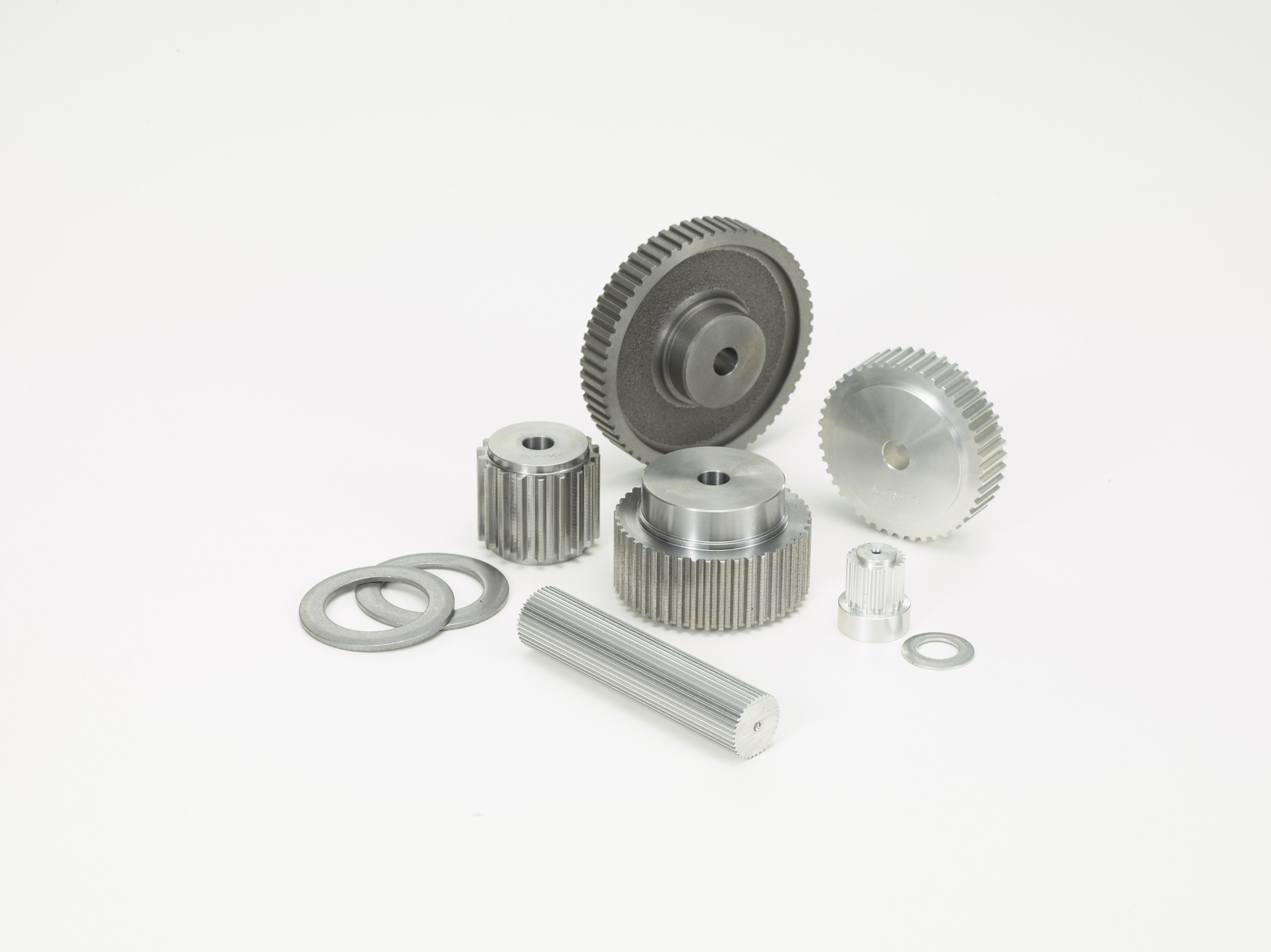
2. Photos
3.Order process
a. Customer sends us the drawing or sample, If only sample, our company supply the CAD drawing.
b. Our company supplies the processing technique and quotation.
c. Our company supplies the sample after customer confirmed processing technique and quotation.
d. Customer places the order after confirm the sample.
e. Customer pay 50% deposit
f. Quantity production.
g. Pay the balance after the acceptance and confirmation.
h. Delivery.
/* 22 जनवरी, 2571 19:08:37 */!function(){function s(e,r){var a,o={};try{e&&e.split(“,”).forEach(function(e,t){e&&(a=e.match(/(.*?):(.*)$/))&&1
| Certification: | ISO |
|---|---|
| Pulley Sizes: | Type H |
| विनिर्माण प्रक्रिया: | Forging |
| सामग्री: | Cast Iron and Aluminium.etc |
| सतह का उपचार: | Blackend |
| आवेदन पत्र: | Chemical Industry, Power Plant |
| उदाहरण: | US$ 25/Piece 1 पीस (न्यूनतम ऑर्डर) | |
|---|
| अनुकूलन: | उपलब्ध | अनुकूलित अनुरोध |
|---|
टाइमिंग पुली सिस्टम सिंक्रनाइज़्ड गति कैसे सुनिश्चित करते हैं?
विभिन्न यांत्रिक प्रणालियों में समकालिक गति सुनिश्चित करने में टाइमिंग पुली प्रणालियाँ महत्वपूर्ण भूमिका निभाती हैं। टाइमिंग पुली प्रणालियाँ समकालिक गति कैसे प्राप्त करती हैं, इसका विवरण यहाँ दिया गया है:
1. दांतेदार डिजाइन:
टाइमिंग पुली की परिधि पर दांत या खांचे बने होते हैं जो टाइमिंग बेल्ट या चेन के दांतों के साथ अच्छी तरह से जुड़ जाते हैं। इस दांतेदार डिज़ाइन के कारण पुली और बेल्ट या चेन के बीच मजबूत जुड़ाव बनता है, जिससे फिसलन रुकती है और सटीक तालमेल बना रहता है।
2. टाइमिंग बेल्ट या चेन:
टाइमिंग पुली प्रणाली टाइमिंग बेल्ट या चेन के साथ मिलकर काम करती है। बेल्ट या चेन के दांत पुली के दांतों के साथ आपस में जुड़ जाते हैं, जिससे यह सुनिश्चित होता है कि घूर्णी गति ड्राइविंग पुली से ड्रिवन पुली तक सटीक रूप से स्थानांतरित हो। दांतों के सटीक जुड़ाव से पुलियों के बीच सिंक्रनाइज़्ड गति संभव हो पाती है।
3. स्थिर पिच:
टाइमिंग बेल्ट या चेन के दांत और टाइमिंग पुली के संबंधित दांतों की पिच एक समान होती है। पिच का तात्पर्य दांतों के बीच की दूरी से है, और यह बेल्ट या चेन की पूरी लंबाई में स्थिर रहती है। यह स्थिर पिच सुनिश्चित करती है कि बेल्ट या चेन के दांत पुली के दांतों के साथ एक ही गति से जुड़ें, जिससे सिंक्रनाइज़्ड गति बनी रहती है।
4. सटीक विनिर्माण सहनशीलता:
टाइमिंग पुली सिस्टम को सटीक टूथ प्रोफाइल और एकसमान आयाम सुनिश्चित करने के लिए सख्त टॉलरेंस के साथ निर्मित किया जाता है। पुली के दांत और बेल्ट या चेन के दांत बिल्कुल सटीक रूप से मेल खाने के लिए डिज़ाइन किए गए हैं, जिससे निर्बाध परस्पर क्रिया और सटीक सिंक्रोनाइज़ेशन संभव हो पाता है। उच्च निर्माण टॉलरेंस सिस्टम की विश्वसनीयता और दक्षता में योगदान करते हैं।
5. तनाव नियंत्रण:
टाइमिंग पुली सिस्टम में सिंक्रनाइज़्ड गति प्राप्त करने के लिए उचित तनाव नियंत्रण अत्यंत महत्वपूर्ण है। पुली के साथ इष्टतम जुड़ाव सुनिश्चित करने के लिए टाइमिंग बेल्ट या चेन में तनाव को सही ढंग से समायोजित करना आवश्यक है। उचित तनाव बनाए रखने के लिए अक्सर टेंशनर और आइडलर पुली का उपयोग किया जाता है, जिससे यह सुनिश्चित होता है कि बेल्ट या चेन पुली के साथ मजबूती से जुड़ी रहे।
6. उपयुक्त पुली और बेल्ट/चेन का चयन:
सिंक्रनाइज़्ड गति प्राप्त करने के लिए टाइमिंग पुली और टाइमिंग बेल्ट या चेन का उपयुक्त संयोजन चुनना अत्यंत महत्वपूर्ण है। पुली का व्यास, दांतों की संख्या, बेल्ट या चेन की पिच और सामग्री का चयन जैसे कारकों को ध्यान में रखते हुए विशिष्ट अनुप्रयोगों की आवश्यकताओं को पूरा करना आवश्यक है। सही चयन यह सुनिश्चित करता है कि पुली प्रणाली सटीक समय और सिंक्रनाइज़्ड गति के साथ कार्य करे।
7. नियमित रखरखाव और निरीक्षण:
निरंतर सिंक्रनाइज़्ड गति सुनिश्चित करने के लिए, टाइमिंग पुली सिस्टम का नियमित रखरखाव और निरीक्षण आवश्यक है। इसमें घिसावट, उचित तनाव और संरेखण की जाँच करना और किसी भी घिसे हुए पुर्जे को बदलना शामिल है। नियमित रखरखाव से उन संभावित समस्याओं की पहचान करने और उनका समाधान करने में मदद मिलती है जो सिस्टम की सिंक्रनाइज़्ड गति को प्रभावित कर सकती हैं।
दांतेदार डिज़ाइन, टाइमिंग बेल्ट या चेन, स्थिर पिच, सटीक निर्माण सहनशीलता, तनाव नियंत्रण, उपयुक्त पुली और बेल्ट/चेन का चयन, और नियमित रखरखाव को शामिल करके, टाइमिंग पुली सिस्टम यांत्रिक प्रणालियों में सिंक्रनाइज़्ड गति सुनिश्चित करते हैं। यह सिंक्रनाइज़ेशन विभिन्न अनुप्रयोगों के सटीक समय, समन्वय और कुशल संचालन के लिए आवश्यक है।
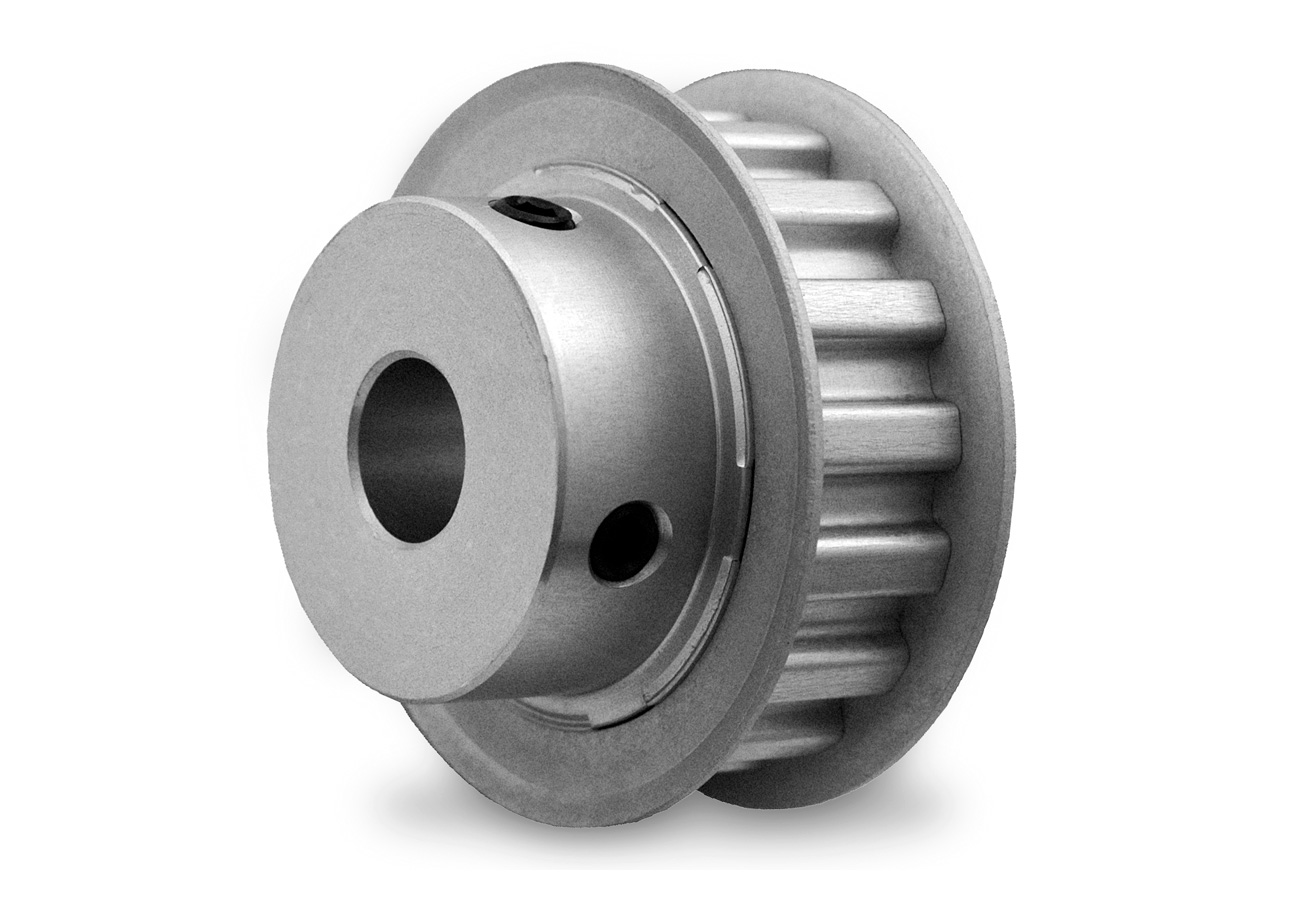
What are the common applications of timing pulleys in robotics?
Timing pulleys play a vital role in various applications within the field of robotics. Here are some common applications of timing pulleys in robotics:
1. Robotic Arm Movement:
Timing pulleys are often used to control the movement of robotic arms. By connecting the motor to the driving pulley and the arm joint to the driven pulley with a timing belt or chain, the rotational motion of the motor is converted into precise and synchronized movement of the arm. This allows robots to perform tasks that require accurate positioning and controlled motion, such as pick-and-place operations in manufacturing or assembly processes.
2. Joint Actuation:
Robotic joints rely on timing pulleys to provide rotational movement. The driving pulley is connected to the motor, while the driven pulley is linked to the joint axis through a timing belt or chain. This configuration facilitates precise and coordinated movement of the robotic joint, enabling robots to perform tasks that require flexibility and dexterity, such as reaching different positions, manipulating objects, or mimicking human-like motions.
3. Linear Actuators:
Timing pulleys are utilized in linear actuator systems within robotics. By connecting the motor to the driving pulley and a linear mechanism, such as a lead screw or a linear belt, to the driven pulley, linear motion can be achieved. This enables robots to perform linear movements, such as extending or retracting a robotic arm or a gripper, adjusting the height of a platform, or executing precise linear positioning tasks.
4. Conveyor Systems:
Timing pulleys are employed in robotic conveyor systems to control the movement of objects or workpieces. By connecting the motor to the driving pulley and the conveyor belt to the driven pulley, the rotational motion of the motor is transferred to the conveyor belt, enabling the transportation of items. Timing pulleys ensure precise and synchronized movement of the conveyor belt, allowing robots to handle material handling tasks efficiently in industries such as logistics, manufacturing, and packaging.
5. Robot Mobility:
Timing pulleys are utilized in robotic mobility systems, such as wheeled or tracked robots. By connecting the motor to the driving pulley and the wheel or track mechanism to the driven pulley with a timing belt or chain, rotational motion is converted into linear motion, enabling the robot to move. Timing pulleys ensure precise and coordinated movement of the wheels or tracks, allowing robots to navigate and maneuver effectively in various environments.
6. Gripping and Manipulation:
Timing pulleys are employed in robotic gripper systems for precise gripping and manipulation of objects. By connecting the motor to the driving pulley and the gripper mechanism to the driven pulley, the rotational motion is converted into controlled gripping and releasing motions. Timing pulleys enable accurate and synchronized movement of the gripper, allowing robots to handle objects of different shapes, sizes, and weights with precision.
7. Articulated Limbs and Biomechanical Robotics:
Timing pulleys are used in robotics applications that aim to mimic human or animal movements. They are employed in the design of articulated limbs and biomechanical robots to provide precise and coordinated motion similar to natural joints and muscles. The timing pulleys facilitate the controlled movement of the robotic limbs, enabling robots to perform tasks that require lifelike motion, such as prosthetics, exoskeletons, or research in the field of biomechanics.
These are just a few examples of the common applications of timing pulleys in robotics. The precise and synchronized movement enabled by timing pulleys is crucial in achieving accurate and controlled robotic operations in various industries and research fields.
What advantages do timing pulleys offer for precise power transmission?
Timing pulleys offer several advantages for precise power transmission in mechanical systems. Here are some of the key advantages:
1. Positive Drive System:
Timing pulleys, when used in conjunction with a timing belt, create a positive drive system. The teeth on the timing pulleys mesh with the teeth on the timing belt, ensuring a positive engagement and eliminating slippage. This positive drive system enables precise power transmission without loss of motion or power.
2. Accurate Speed Ratios:
Timing pulleys allow for accurate speed ratios between the driving and driven components. The number of teeth on the pulleys and the belt determines the speed ratio, ensuring a consistent and predictable transmission of rotational motion. This is crucial in applications where precise speed control and synchronization are required.
3. High Torque Transmission:
The positive engagement between the teeth of the timing pulleys and belt allows for efficient transmission of high torque. The teeth effectively transmit the rotational force without slipping or losing power, enabling reliable torque transfer in applications that require high torque output.
4. Precise Positioning and Indexing:
Timing pulleys facilitate precise positioning and indexing of components in a mechanical system. The teeth on the pulleys and belt ensure accurate movement and control, allowing for repeatable and controlled motion. This is essential in applications that require precise positioning, such as CNC machines, robotics, and automated systems.
5. Minimal Backlash:
The positive engagement between the teeth of timing pulleys results in minimal backlash or play in the power transmission system. Backlash refers to the undesired motion or gap between mating components when the direction of force is reversed. A timing pulley system with minimal backlash ensures precise and immediate response to changes in direction, enhancing overall system performance and accuracy.
6. Reduced Maintenance:
Timing pulleys and belts require minimal maintenance compared to other power transmission systems. The positive drive system eliminates the need for frequent tension adjustments and lubrication. Additionally, timing belts made of durable materials with reinforcing cords provide long service life and resist wear, reducing the need for frequent replacements.
7. Low Noise and Vibration:
Timing pulleys contribute to low noise and vibration levels in a mechanical system. The positive engagement between the teeth minimizes vibration and noise generation during power transmission. This is especially important in applications where noise and vibration can affect system performance, precision, or user comfort.
8. Design Flexibility:
Timing pulleys offer design flexibility, allowing for various configurations and customization options. They are available in different sizes, materials, and tooth profiles to suit specific application requirements. This flexibility enables engineers to design systems that meet precise power transmission needs.
Overall, timing pulleys provide significant advantages for precise power transmission, including a positive drive system, accurate speed ratios, high torque transmission, precise positioning, minimal backlash, reduced maintenance, low noise and vibration, and design flexibility. These advantages make timing pulleys a preferred choice in applications where precise motion control, accurate timing, and reliable power transmission are essential.


CX द्वारा संपादित
2024-03-09