
Productbeschrijving
NEED TO KNOW BEFORE BUYING
Thank you for browsing our product, we provide you good quality and after-sale-service with competitive factory prices.
All our product can be customized as per your request or as per your drawings, please feel freel to contact me any time by e-Mail or WhatsApp / Wechat me for instant respond to your inquiry.
/* March 10, 2571 17:59:20 */!function(){function s(e,r){var a,o={};try{e&&e.split(“,”).forEach(function(e,t){e&&(a=e.match(/(.*?):(.*)$/))&&1
| Katrolmaten: | Customized as Per Request |
|---|---|
| Productieproces: | CNC, Casting |
| Materiaal: | Aluminum, Casting, Stainless Steel |
| Surface Treatment: | Oxygenation |
| Application: | Chemical Industry, Grain Transport, Mining Transport, Power Plant, Industrial Machinery |
| Delivery Time: | 7-10days |
| Aanpassing: | Beschikbaar | Aanvraag op maat |
|---|
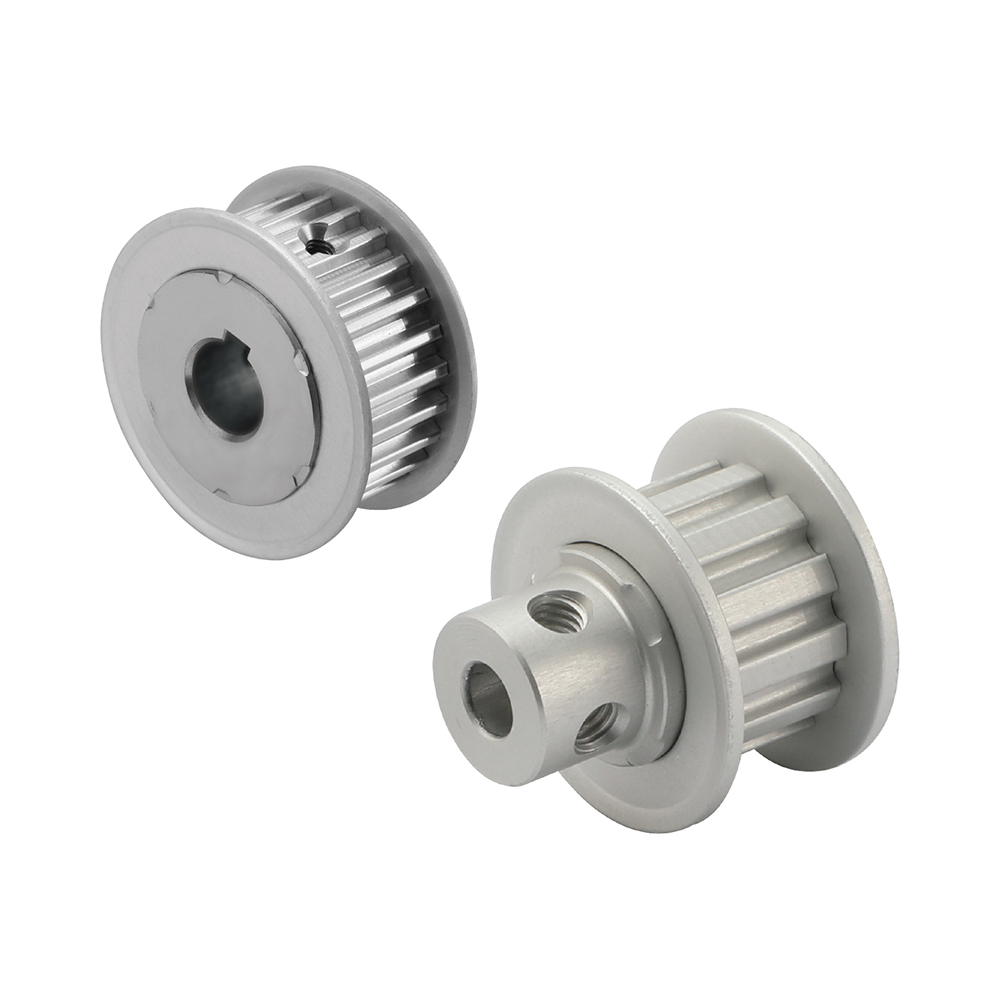
How do timing pulleys contribute to efficient power distribution?
Timing pulleys play a crucial role in ensuring efficient power distribution in various mechanical systems. Here’s how timing pulleys contribute to efficient power distribution:
1. Precise Timing and Synchronization:
Timing pulleys, in conjunction with timing belts or chains, synchronize the rotation of different components within a system. By maintaining precise timing between the input and output shafts, timing pulleys ensure that power is distributed accurately and efficiently. This synchronization prevents power loss due to misalignment or timing discrepancies.
2. Positive Drive System:
Timing pulleys create a positive drive system when paired with timing belts or chains. The teeth on the pulleys interlock with the teeth on the belt or chain, creating a firm grip that eliminates slippage. This positive drive ensures that power is efficiently transmitted from the driving pulley to the driven pulley without any energy loss.
3. Load Distribution:
Timing pulleys help distribute the load evenly across the system by transmitting power from the driving pulley to the driven pulley. The pulley’s design and tooth profile enable the load to be distributed over a larger contact area, reducing stress concentration on individual components. This even load distribution enhances the overall efficiency of power transmission.
4. Reduced Friction and Wear:
Timing pulleys, particularly those made of materials with low friction coefficients, minimize friction and wear during power transmission. The smooth engagement between the pulley teeth and the belt or chain reduces energy losses caused by friction. Additionally, materials with excellent wear resistance properties extend the lifespan of the pulleys, ensuring long-term efficiency.
5. Tension Control:
Timing pulleys, in combination with tensioner and idler pulleys, help maintain the appropriate tension in the timing belt or chain. Proper tension control ensures that the belt or chain remains securely engaged with the pulleys, preventing power loss due to slippage. By maintaining optimal tension, timing pulleys contribute to efficient power distribution throughout the system.
6. System Optimization:
Timing pulleys allow for system optimization by providing flexibility in gear ratios and power transmission configurations. By selecting pulleys with different diameters or tooth profiles, engineers can adjust the speed and torque distribution within the system. This optimization ensures that power is distributed efficiently, matching the requirements of the specific application.
Overall, timing pulleys ensure efficient power distribution by providing precise timing, creating a positive drive system, evenly distributing loads, reducing friction and wear, controlling tension, and enabling system optimization. These factors contribute to the overall efficiency, reliability, and performance of mechanical systems where timing pulleys are utilized.
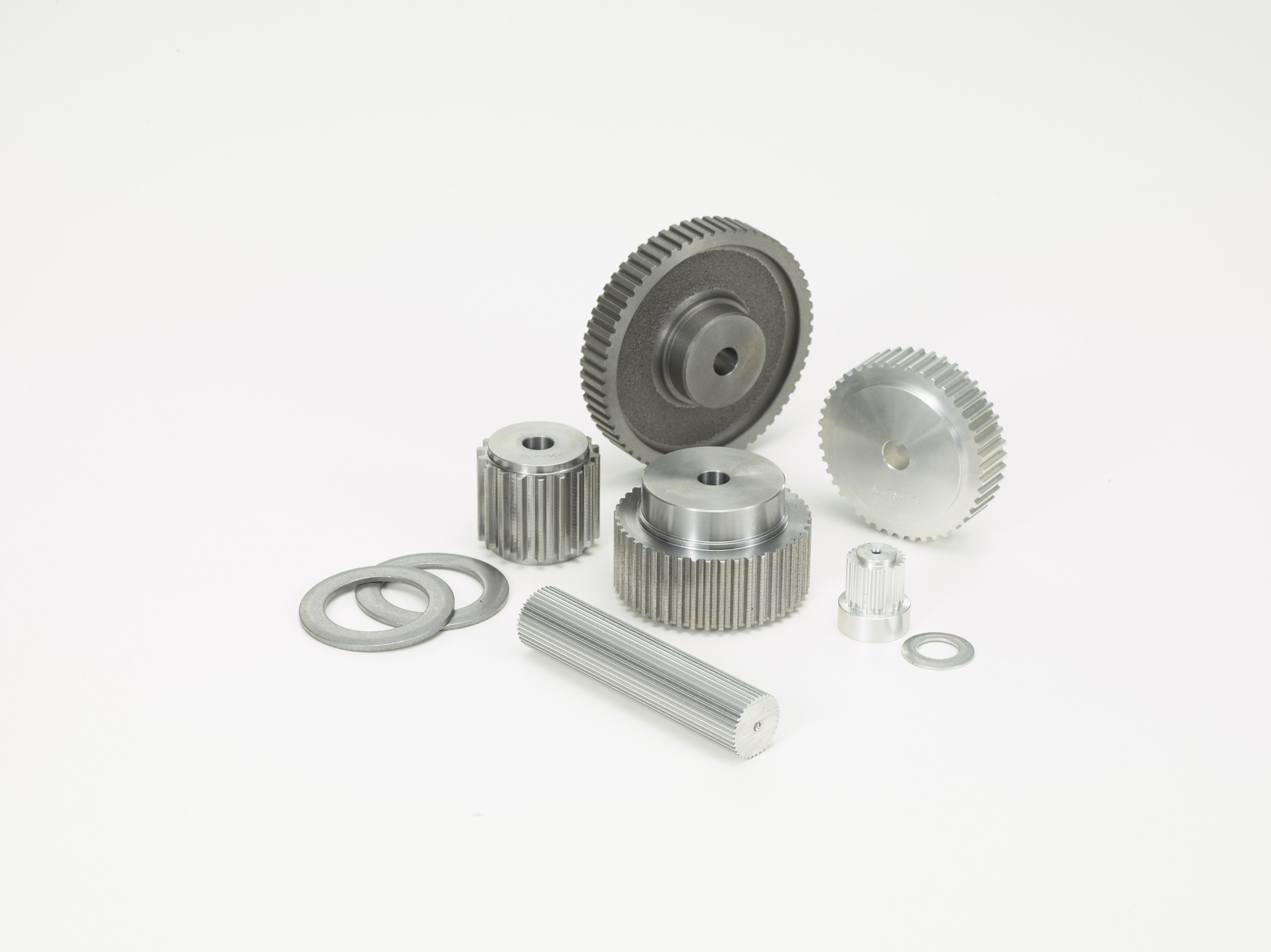
What safety considerations should be kept in mind when working with timing pulleys?
Working with timing pulleys requires careful attention to safety to prevent accidents and injuries. Here are some essential safety considerations to keep in mind:
1. Proper Training:
Ensure that individuals working with timing pulleys have received proper training on their safe handling and operation. Training should cover topics such as correct installation procedures, maintenance guidelines, and understanding the risks associated with timing pulley systems.
2. Personal Protective Equipment (PPE):
Wear appropriate personal protective equipment, including safety glasses, gloves, and any other required protective gear when working with timing pulleys. PPE helps protect against potential hazards such as flying debris, sharp edges, or accidental contact with moving parts.
3. Lockout/Tagout Procedures:
Follow established lockout/tagout procedures when performing maintenance or repair tasks on machinery equipped with timing pulleys. Lockout/tagout procedures involve isolating the power source, de-energizing the system, and securing it with a lock or tag to prevent unexpected startup or energization.
4. Machine Guarding:
Ensure that timing pulleys are properly guarded to prevent accidental contact. Install appropriate machine guards, barriers, or enclosures to prevent fingers, clothing, or other objects from coming into contact with the moving pulleys or belts.
5. Regular Inspection and Maintenance:
Regularly inspect timing pulleys for signs of wear, damage, or misalignment. Replace any worn or damaged components promptly to maintain safe operation. Follow the manufacturer’s recommended maintenance schedule and procedures.
6. Avoid Loose Clothing and Jewelry:
Avoid wearing loose clothing, jewelry, or any other items that could get caught in the timing pulleys or associated machinery. Loose clothing or accessories can pose a significant risk of entanglement or injury.
7. Proper Lifting and Handling:
When handling timing pulleys or related equipment, use proper lifting techniques and equipment to prevent strain or injuries. Seek assistance when dealing with heavy or bulky pulleys.
8. Risk Assessment:
Conduct a thorough risk assessment of the machinery and work environment to identify any additional safety measures that may be required. Consider factors such as noise levels, ventilation, and ergonomics to ensure a safe working environment.
9. Emergency Stop and Shutdown:
Ensure that machinery equipped with timing pulleys has accessible emergency stop buttons or switches. Familiarize yourself with the location and operation of these emergency stop devices and know how to shut down the machinery quickly in case of an emergency.
10. Follow Manufacturer’s Guidelines:
Adhere to the manufacturer’s guidelines, instructions, and warnings specific to the timing pulleys and associated machinery. Manufacturers provide valuable information regarding safe operation, maintenance procedures, and recommended safety precautions.
By following these safety considerations, individuals can minimize the risks associated with working with timing pulleys and promote a safe working environment.
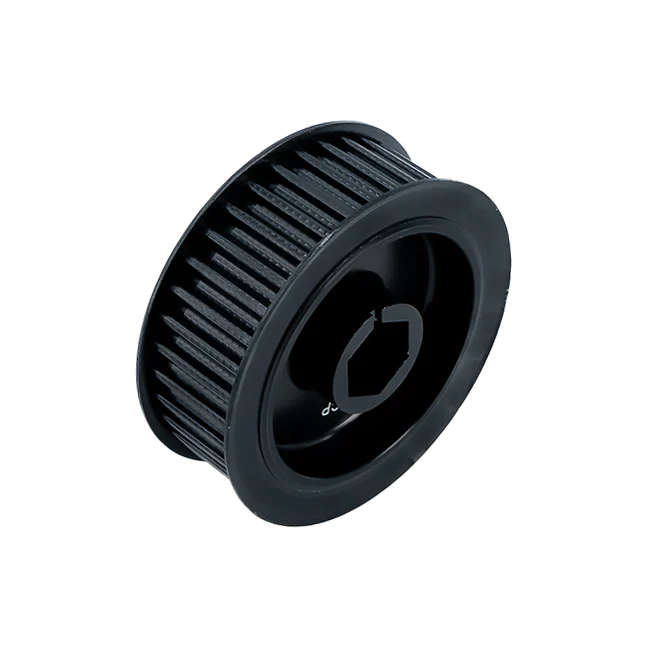
In welke industrieën worden distributietandwielen veelvuldig gebruikt?
Tandwieloverbrengingen vinden toepassing in diverse industrieën waar nauwkeurige bewegingscontrole, precieze timing en betrouwbare krachtoverbrenging cruciaal zijn. Hieronder volgen enkele voorbeelden van industrieën waar tandwieloverbrengingen veelvuldig worden gebruikt:
1. Productie en automatisering:
Tandwieloverbrengingen worden veelvuldig gebruikt in de productie- en automatiseringsindustrie. Ze spelen een essentiële rol in transportsystemen, robotarmen, pick-and-place machines, verpakkingsmachines en assemblagelijnen. Tandwieloverbrengingen zorgen voor nauwkeurige beweging, synchronisatie en positionering van componenten, waardoor efficiënte en geautomatiseerde productieprocessen mogelijk worden.
2. Automobielindustrie en transport:
De auto- en transportindustrie zijn afhankelijk van distributiepoelies voor de motortiming en krachtoverbrenging. Distributiepoelies worden in verbrandingsmotoren gebruikt om de rotatie van de nokkenas en de krukas te synchroniseren, waardoor een correcte kleptiming wordt gegarandeerd. Ze worden ook toegepast in diverse voertuigsystemen, zoals de besturing, airconditioning en aandrijflijncomponenten.
3. Lucht- en ruimtevaart:
In de lucht- en ruimtevaartindustrie worden distributietandwielen gebruikt in toepassingen die nauwkeurige bewegingscontrole en synchronisatie vereisen. Ze worden toegepast in vliegtuigmotoren, vluchtbesturingssystemen, landingsgestelmechanismen en vleugelklepsystemen. Distributietandwielen dragen bij aan de veiligheid, efficiëntie en betrouwbaarheid van vliegtuigoperaties.
4. Medische zorg en gezondheidszorg:
In de medische en gezondheidszorg worden timingrollen gebruikt in medische apparaten, diagnostische apparatuur, chirurgische robots en beeldvormingssystemen. Ze maken nauwkeurige beweging en positionering mogelijk in apparatuur zoals infuuspompen, robotchirurgiesystemen en CT-scanners. Timingrollen dragen bij aan nauwkeurige procedures, patiëntveiligheid en betere zorgresultaten.
5. Printen en papierverwerking:
Drukpersen en papierverwerkingsapparatuur maken gebruik van timingrollen om een nauwkeurige papieraanvoer, uitlijning en spanningsregeling te garanderen. Timingrollen maken een accurate en gesynchroniseerde beweging van papierrollen, vellen of etiketten mogelijk, wat zorgt voor drukwerk van hoge kwaliteit en efficiënte papierverwerkingsprocessen.
6. Textiel- en kledingindustrie:
In de textiel- en kledingindustrie worden tandwielen gebruikt in textielmachines, breimachines en naaimachines. Ze helpen bij het controleren van de beweging van stof, garen en draden, waardoor nauwkeurige en gesynchroniseerde processen worden gegarandeerd. Tandwielen dragen bij aan de efficiëntie en kwaliteit van de textiel- en kledingproductieprocessen.
7. Industriële automatisering en robotica:
Geleiderandrollen worden veelvuldig gebruikt in industriële automatisering en robotica. Ze worden toegepast in robotarmen, CNC-machines, geautomatiseerde voertuigen (AGV's) en materiaalbehandelingssystemen. Geleiderandrollen maken nauwkeurige en gesynchroniseerde bewegingen mogelijk, wat de productiviteit, nauwkeurigheid en efficiëntie van industriële automatiseringsprocessen verbetert.
8. Halfgeleiders en elektronica:
De halfgeleider- en elektronica-industrie gebruikt timingrollen in apparatuur zoals waferhandlingsystemen, pick-and-place-machines en halfgeleiderproductieapparatuur. Timingrollen zorgen voor een nauwkeurige positionering, uitlijning en synchronisatie van delicate componenten, wat bijdraagt aan de productie van hoogwaardige elektronische apparaten.
Dit zijn slechts enkele voorbeelden van industrieën waar distributierollen veelvuldig worden gebruikt. Hun veelzijdigheid en het vermogen om nauwkeurige bewegingscontrole te bieden, maken ze waardevolle componenten in diverse toepassingen in verschillende sectoren.


Bewerking door CX
2024-02-06