
Productbeschrijving
BASIC INFORMATION
| Description | VKM38350 Timing Belt Tensioner Pulley 11287542680 11287549588 for BMW | |
| OE Number | VKM38350 / | |
| Other information | Without holder | |
| Size | Outer Diameter1: 70 mm Width1: 26 mm |
|
| Brand | SI, PPB | |
| Weight | Kgs | |
| Place of Origin | ZHangZhoug, China | |
| Certification | ISO9 BMW : BMW : |
BMW : 7505224 BMW : 7542680 BMW : 7549588 |
REFERENCE NUMBERS
| SKFF : VKM 38350 SNR : GA350.91 INAA : AKRON-MALO : 1575711 AUTEX : 6013 AUTOTEAM : A5716 BREDA LORETT : TOA3474 BTA : E2B DAYCO : APV2305 |
DENCKERMANN : P21571 FEBEST : 1987-E46 FEBI BILSTEIN : 21629 FLENNOR : FA99773 GATES : T39148 HUTCHINSON : T571 IPD : 10-5715 KAMOKA : R LUCAS : LA0501 OPTIMAL : 0-N1507 OPTIMAL : 0-N1507S OSSCA : 34724 REPKIT : RKT2253 |
RUVILLE : 55047 STELLOX : 03-4571-SX SWAG : TOPRAN : 501 228 TRISCAN : 8641 113014 TRUCKTEC AUTOMOTIVE : 08.19.146 URO Parts : URO Parts : URO Parts : URO Parts : VAICO : V20-0338 WILMINK GROUP : WG1253367 WILMINK GROUP : WG1427824 WXQP : 210861 |
APPLICABLE CAR MODELS
| Vehicle Models | Active Years | Engine | Displacement | Power | Cons.Type |
| BMW 5 (E60) 540 i | 2007-2009 | N62 B40 A | 4000 | 225 | Saloon |
| BMW 5 Touring (E61) 545 i | 2004-2571 | N62 B44 A | 4398 | 245 | Estate |
| BMW 6 (E63) 645 Ci | 2003-2005 | N62 B44 A | 4398 | 245 | Coupe |
| BMW 6 Convertible (E64) 645 Ci | 2004-2005 | N62 B44 A | 4398 | 245 | Convertible |
| BMW 7 (E65, E66, E67) 735 i, Li | 2001-2005 | N62 B36 A | 3600 | 200 | Saloon |
| BMW X5 (E53) 4.4 i | 2003-2006 | N62 B44 A | 4398 | 235 | SUV |
DETAILED PICTURES
PACKAGING & SHIPPING
| Packaging Details | 1 piece in a single box 30 boxes in a carton 40 cartons in a pallet |
| Nearest Port | ZheJiang or HangZhou |
| Lead Time | For stock parts: 1-5 days. If no stock parts: <500 pcs: 15-30 days ≥500 pcs: to be negotiated. |
OUR SERVICES
– We have more than 20 years experience in auto bearings fields.
– Excellent quality control is 1 of our main principles
– We offer OEM service, accept customer label, develop the product with your drawings or samples
– Any questions will get response within 24 hours.
FAQ
1.How do you make our business long-term and good relationship?
– We keep good quality and competitive price to ensure our customers benefit ;
– We respect every customer as our friend and we sincerely do business and make friends with them,
no matter where they come from.
2. Do you test all your goods before delivery?
– Yes, we have 100% test before delivery
3. What is your terms of payment?
– T/T 30% as deposit, and 70% before delivery. We’ll show you the photos of the products and packages
before you pay the balance.
4. What is your terms of delivery?
– EXW, FOB, CFR, CIF, DDU.
/* 22 januari 2571 19:08:37 */!function(){function s(e,r){var a,o={};try{e&&e.split(“,”).forEach(function(e,t){e&&(a=e.match(/(.*?):(.*)$/))&&1
| After-sales Service: | 24 Hours |
|---|---|
| Warranty: | 1 Year / 30000-50000kms |
| Type: | Tensioner Bearing |
| Materiaal: | Chrome Steel |
| Tolerance: | P0 |
| Certification: | ISO9001, TS16949 |
| Samples: |
US$ 2/Piece
1 Piece(Min.Order) | |
|---|
| Aanpassing: |
Beschikbaar
| Aanvraag op maat |
|---|
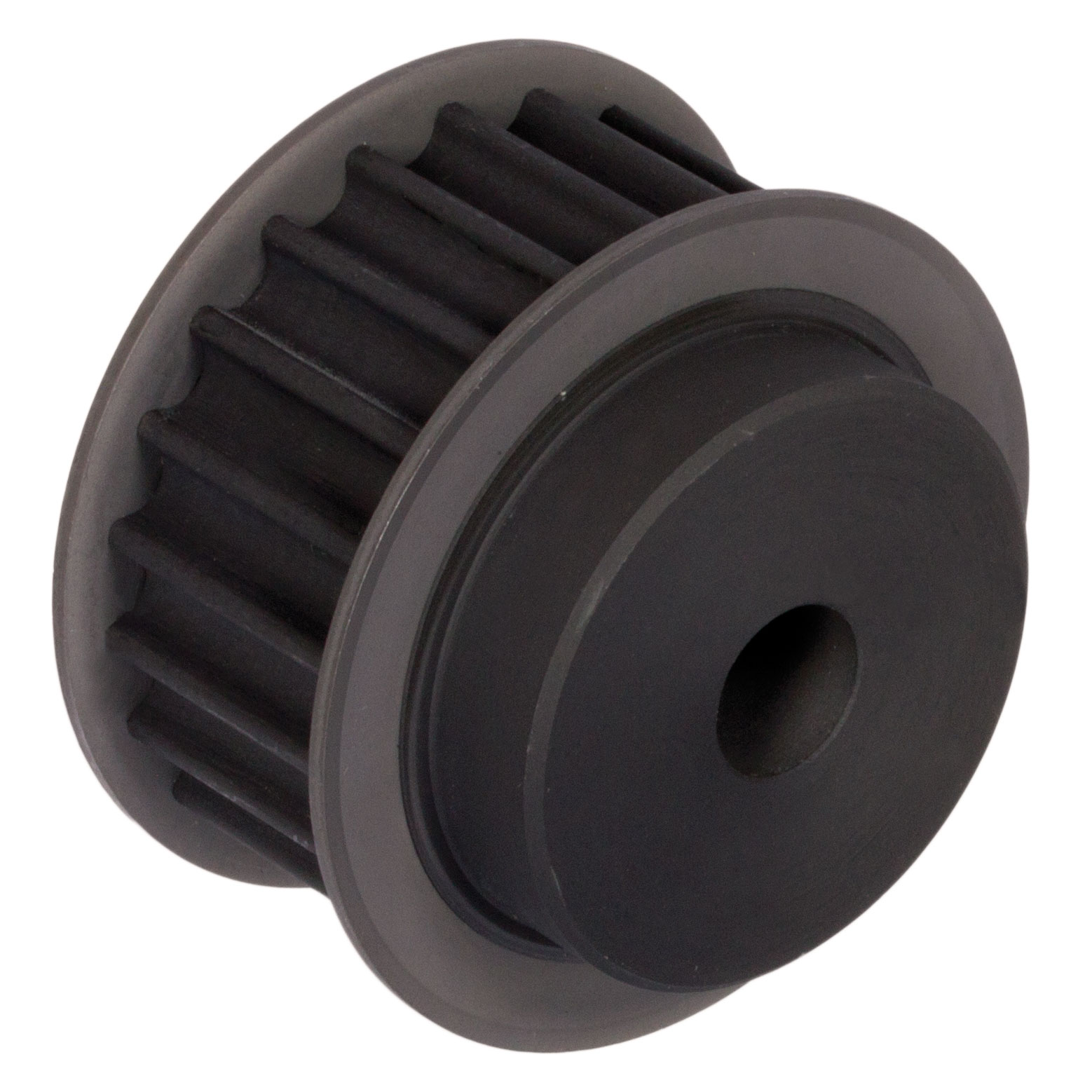
Welke materialen worden doorgaans gebruikt voor de productie van distributiepoelies?
Distributierollen worden vervaardigd uit diverse materialen, die elk worden gekozen op basis van hun specifieke eigenschappen en prestatie-eisen. Hieronder volgen enkele van de materialen die doorgaans worden gebruikt:
1. Staal:
Staal is een veelgebruikt materiaal voor distributierollen vanwege de hoge sterkte, duurzaamheid en slijtvastheid. Stalen rollen zijn bestand tegen zware belastingen en hoge snelheden. Ze worden vaak gebruikt in industriële machines, automotoren en aandrijfsystemen die robuuste en betrouwbare prestaties vereisen.
2. Aluminium:
Distributierollen van aluminium zijn geliefd vanwege hun lichte gewicht, corrosiebestendigheid en uitstekende warmteafvoerende eigenschappen. Ze worden veel gebruikt in toepassingen waar gewichtsbesparing een prioriteit is, zoals in de lucht- en ruimtevaart en de automobielindustrie. Aluminium rollen zijn ook geschikt voor hogesnelheidstoepassingen waarbij een lagere inertie gewenst is.
3. Gietijzer:
Gietijzeren distributierollen bieden uitstekende sterkte en duurzaamheid. Ze staan bekend om hun hoge draagvermogen en weerstand tegen slijtage en vervorming. Gietijzeren rollen worden veelvuldig gebruikt in zware industriële toepassingen met hoge belastingen en zware bedrijfsomstandigheden.
4. Technische kunststoffen:
Diverse technische kunststoffen, zoals polyamide (nylon), polyoxymethyleen (acetaal) en polycarbonaat, worden gebruikt voor de productie van distributiepoelies. Deze materialen bieden een goede sterkte, slijtvastheid en lage wrijvingseigenschappen. Poelies van technische kunststoffen worden vaak gekozen vanwege hun lichte gewicht, lage geluidsproductie en zelfsmurende eigenschappen. Ze vinden toepassingen in industrieën zoals verpakking, voedselverwerking en automatisering.
5. Composietmaterialen:
Composietmaterialen, die verschillende materialen zoals koolstofvezels of glasvezels combineren met een polymeermatrix, worden gebruikt voor de productie van hoogwaardige distributietandwielen. Deze tandwielen bieden een uitzonderlijke sterkte-gewichtsverhouding, hoge stijfheid en uitstekende weerstand tegen temperatuur en chemicaliën. Composiettandwielen worden doorgaans gebruikt in veeleisende toepassingen die een lichtgewicht constructie en hoge prestaties vereisen, zoals de autosport en geavanceerde machines.
6. Overige materialen:
Afhankelijk van de specifieke toepassingseisen kunnen distributietandwielen ook worden vervaardigd uit materialen zoals messing, brons of roestvrij staal, die specifieke eigenschappen bieden zoals corrosiebestendigheid of elektrische geleidbaarheid.
De materiaalkeuze voor distributierollen hangt af van factoren zoals draagvermogen, snelheid, bedrijfsomstandigheden, omgevingsfactoren en kostenoverwegingen. Fabrikanten selecteren het meest geschikte materiaal om optimale prestaties, duurzaamheid en betrouwbaarheid in de beoogde toepassing te garanderen.
How do timing pulleys impact the performance of 3D printers?
Timing pulleys play a significant role in determining the performance and accuracy of 3D printers. Here’s an explanation of how timing pulleys impact the performance of 3D printers:
1. Motion Control:
Timing pulleys, in conjunction with belts or chains, are used to control the movement of the print head and build platform in 3D printers. The motor drives the driving pulley, which is connected to the print head or build platform through a timing belt or chain. The driven pulley on the print head or build platform receives the rotational motion from the driving pulley, resulting in precise and synchronized movement. The accuracy and quality of the printed object depend on the precise control and synchronization facilitated by the timing pulleys.
2. Positioning Accuracy:
Timing pulleys contribute to the positioning accuracy of 3D printers. The teeth on the timing belt or chain mesh with the teeth on the pulleys, creating positive engagement. This ensures that the print head or build platform moves precisely according to the instructions from the control system. The accuracy of the timing pulley system directly affects the dimensional accuracy and surface finish of the printed object.
3. Speed and Acceleration:
Timing pulleys allow for control of the speed and acceleration of the print head and build platform in 3D printers. By varying the diameter or the number of teeth on the pulleys, different gear ratios can be achieved. This enables printers to control the speed and acceleration of the print head or build platform, affecting printing time, print quality, and the ability to handle intricate details and complex geometries.
4. Print Resolution:
The resolution of a 3D printer refers to the smallest feature size that can be accurately reproduced. Timing pulleys play a role in determining the achievable print resolution. The finer the pitch and the more teeth per unit length on the timing belt or chain, the higher the resolution that can be achieved. Timing pulleys with smaller teeth allow for finer positioning and more precise movement, enabling the printer to produce objects with intricate details and smooth surfaces.
5. Noise and Vibration:
Properly designed and maintained timing pulley systems contribute to reducing noise and vibration in 3D printers. Well-aligned and tensioned timing belts or chains, along with accurately machined pulleys, minimize backlash and ensure smooth and quiet operation. This is particularly important during rapid movements and changes in direction, as excessive noise and vibration can affect print quality and overall printer performance.
6. Maintenance and Durability:
The durability and maintenance requirements of the timing pulley system impact the overall performance of 3D printers. High-quality timing pulleys and belts or chains are essential to ensure longevity and reliable operation. Regular inspection, tensioning, and replacement of worn or damaged components are necessary to maintain optimal performance and prevent print quality issues caused by a degraded timing pulley system.
7. Extruder and Filament Control:
In addition to controlling the movement of the print head and build platform, timing pulleys may also be used in the extruder assembly of 3D printers. Timing pulleys help drive the filament feeding mechanism, ensuring consistent and controlled extrusion of the filament during the printing process. The accurate and synchronized movement facilitated by the timing pulleys contributes to maintaining filament tension and preventing issues such as under-extrusion or filament jams.
By understanding the impact of timing pulleys on 3D printer performance, manufacturers and users can optimize the design, calibration, and maintenance of the timing pulley systems to achieve accurate, reliable, and high-quality 3D prints.
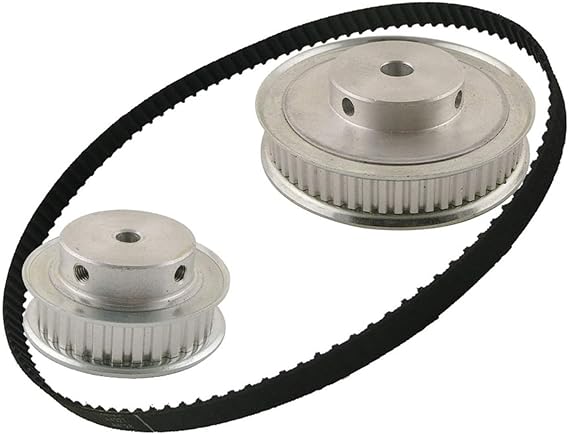
What is a timing pulley, and how is it used in mechanical systems?
A timing pulley, also known as a synchronous pulley, is a type of pulley specifically designed to work with toothed belts or timing belts. It features grooves or teeth on its circumferential surface that mesh with corresponding teeth on the belt. Timing pulleys are used in mechanical systems that require precise and synchronized power transmission, where accurate timing and positioning are crucial. Here’s an explanation of the role and usage of timing pulleys in mechanical systems:
1. Power Transmission:
The primary function of a timing pulley is to transmit rotational motion and power between two or more shafts in a mechanical system. The teeth on the pulley engage with the teeth on the timing belt, creating a positive drive system. This positive engagement ensures that the pulley and the belt move together without slipping, providing accurate timing and power transfer.
2. Synchronization:
Timing pulleys are used to synchronize the rotation of different components in a mechanical system. By using matching timing belts and pulleys, the rotational motion of the driving pulley is transferred precisely to the driven pulleys. This synchronization is critical in applications that require accurate timing, such as in engines, printers, CNC machines, and robotics.
3. Speed and Torque Control:
Timing pulleys allow for control over the speed and torque in mechanical systems. By varying the diameter or the number of teeth on the pulleys, different speed ratios can be achieved between the driving and driven shafts. This feature enables the adjustment of rotational speed and torque according to the specific requirements of the application.
4. Positioning and Indexing:
Timing pulleys are often used for precise positioning and indexing of components in mechanical systems. The teeth on the pulley and the timing belt ensure accurate movement and positioning of parts, allowing for repeatable and controlled motion. This makes timing pulleys suitable for applications such as automated assembly lines, 3D printers, and precision motion control systems.
5. Low Maintenance:
Timing pulleys and belts require minimal maintenance due to their design. The toothed profile prevents slippage and eliminates the need for constant tension adjustments. Additionally, they operate with minimal noise and vibration, reducing the wear and tear on the system and increasing its overall reliability.
6. Variations and Configurations:
Timing pulleys are available in various sizes, materials, and configurations to suit different applications. They can be made from materials such as aluminum, steel, or plastic, depending on the requirements of the system. Furthermore, timing pulleys can have different tooth profiles, pitch sizes, and numbers of teeth, allowing for customization based on the specific power transmission needs.
In summary, timing pulleys are specialized pulleys used in mechanical systems to provide precise and synchronized power transmission, accurate timing and positioning, speed and torque control, and low-maintenance operation. Their use is prevalent in applications that require reliable and controlled motion, such as engines, robotics, CNC machines, and automated systems.


Bewerking door CX
2024-03-29