
Productbeschrijving
CHINAMFG Machinery offers a wide range of high quality Timing Belt Pulleys and Toothed Bars/ Timing Bars. Standard and non-standard pulleys according to drawings are available.
Types of material:
1. AlCuMgPb 6061 6082 Aluminum Timing Pulley
2. C45E 1045 S45C Carbon Steel Timing Pulley
3. GG25 HT250 Cast Iron Timing Pulley
4. SUS303 SUS304 AISI431 Stainless Steel Timing Pulley
5. Other material on demand, such as cooper, bronze and plastic
Types of surface treatment
1. Anodized surface -Aluminum Pulleys
2. Hard anodized surface — Aluminum Pulleys
3. Black Oxidized surface — Steel Pulleys
4. Zinc plated surface — Steel Pulleys
5. Chromate surface — Steel Pulleys; Cast Iron Pulleys
6. Nickel plated surface –Steel Pulleys; Cast Iron Pulleys
Types of teeth profile
| Teeth Profile | Pitch |
| HTD | 3M,5M,8M,14M,20M |
| AT | AT5,AT10,AT20 |
| T | T2.5,T5,T10 |
| MXL | 0.08″(2.032MM) |
| XL | 1/5″(5.08MM) |
| L | 3/8″(9.525MM) |
| H | 1/2″(12.7MM) |
| XH | 7/8″(22.225MM) |
| XXH | 1 1/4″(31.75MM) |
| STS STPD | S2M,S3M,S4.5M,S5M,S8M,S14M |
| RPP | RPP5M,RPP8M,RPP14M,RPP20M |
| PGGT | PGGT 2GT, 3GT and 5GT |
| PCGT | GT8M,GT14M |
Types of pitches and sizes
Imperial Inch Timing Belt Pulley,
1. Pilot Bore MXL571 for 6.35mm timing belt; teeth number from 16 to 72;
2. Pilot Bore XL037 for 9.53mm timing belt; teeth number from 10 to 72;
3. Pilot Bore, Taper Bore L050 for 12.7mm timing belt; teeth number from 10 to 120;
4. Pilot Bore, Taper Bore L075 for 19.05mm timing belt; teeth number from 10 to 120;
5. Pilot Bore, Taper Bore L100 for 25.4mm timing belt; teeth number from 10 to 120;
6. Pilot Bore, Taper Bore H075 for 19.05mm timing belt; teeth number from 14 to 50;
7. Pilot Bore, Taper Bore H100 for 25.4mm timing belt; teeth number from 14 to 156;
8. Pilot Bore, Taper Bore H150 for 38.1mm timing belt; teeth number from 14 to 156;
9. Pilot Bore, Taper Bore H200 for 50.8mm timing belt; teeth number from 14 to 156;
10. Pilot Bore, Taper Bore H300 for 76.2mm timing belt; teeth number from 14 to 156;
11. Taper Bore XH200 for 50.8mm timing belt; teeth number from 18 to 120;
12. Taper Bore XH300 for 76.2mm timing belt; teeth number from 18 to 120;
13. Taper Bore XH400 for 101.6mm timing belt; teeth number from 18 to 120;
Metric Timing Belt Pulley T and AT
1. Pilot Bore T2.5-16 for 6mm timing belt; teeth number from 12 to 60;
2. Pilot Bore T5-21 for 10mm timing belt; teeth number from 10 to 60;
3. Pilot Bore T5-27 for 16mm timing belt; teeth number from 10 to 60;
4. Pilot Bore T5-36 for 25mm timing belt; teeth number from 10 to 60;
5. Pilot Bore T10-31 for 16mm timing belt; teeth number from 12 to 60;
6. Pilot Bore T10-40 for 25mm timing belt; teeth number from 12 to 60;
7. Pilot Bore T10-47 for 32mm timing belt; teeth number from 18 to 60;
8. Pilot Bore T10-66 for 50mm timing belt; teeth number from 18 to 60;
9. Pilot Bore AT5-21 for 10mm timing belt; teeth number from 12 to 60;
10. Pilot Bore AT5-27 for 16mm timing belt; teeth number from 12 to 60;
11. Pilot Bore AT5-36 for 25mm timing belt; teeth number from 12 to 60;
12. Pilot Bore AT10-31 for 16mm timing belt; teeth number from 15 to 60;
13. Pilot Bore AT10-40 for 25mm timing belt; teeth number from 15 to 60;
14. Pilot Bore AT10-47 for 32mm timing belt; teeth number from 18 to 60;
15. Pilot Bore AT10-66 for 50mm timing belt; teeth number from 18 to 60;
Metric Timing Belt Pulley HTD3M, 5M, 8M, 14M
1. HTD3M-06; 3M-09; 3M-15; teeth number from 10 to 72;
2. HTD5M-09; 5M-15; 5M-25; teeth number from 12 to 72;
3. HTD8M-20; 8M-30; 8M-50; 8M-85 teeth number from 22 to 192;
4. HTD14M-40; 14M-55; 14M-85; 14M-115; 14M-170; teeth number from 28-216;
5. Taper Bore HTD5M-15; 8M-20; 8M-30; 8M-50; 8M-85; 14M-40; 14M-55; 14M-85;
14M-115; 14M-170
Metric Timing Belt Pulleys for Poly Chain GT2 Belts
1. PCGT8M-12; PCGT8M-21; PCGT8M-36; PCGT8M-62;
2. PCGT14M-20; PCGT14M-37; PCGT14M-68; PCGT14M-90; PCGT14M-125;
Power Grip CHINAMFG Tooth/ PGGT 2GT, 3GT and 5GT
1. 2GT-06, 2GT-09 for timing belt width 6mm and 9mm
2. 3GT-09, 3GT-15 for timing belt width 9mm and 15mm
3. 5GT-15, 5GT-25 for timing belt width 15mm and 25mm
OMEGA RPP HTD Timing Pulleys
1. RPP3M-06; 3M-09; 3M-15; teeth number from 10 to 72;
2. RPP5M-09; 5M-15; 5M-25; teeth number from 12 to 72;
3. RPP8M-20; 8M-30; 8M-50; 8M-85 teeth number from 22 to 192;
4. RPP14M-40; 14M-55; 14M-85; 14M-115; 14M-170; teeth number from 28-216;
5. Taper Bore RPP5M-15; 8M-20; 8M-30; 8M-50; 8M-85; 14M-40; 14M-55; 14M-85;
14M-115; 14M-170 /* January 22, 2571 19:08:37 */!function(){function s(e,r){var a,o={};try{e&&e.split(“,”).forEach(function(e,t){e&&(a=e.match(/(.*?):(.*)$/))&&1
| Certification: | ISO |
|---|---|
| Katrolmaten: | Timing |
| Productieproces: | Sawing |
| Materiaal: | Carbon Steel |
| Surface Treatment: | Blackening |
| Application: | Chemical Industry, Grain Transport, Mining Transport, Power Plant |
| Samples: | US$ 3/Piece 1 Piece(Min.Order) | |
|---|
| Aanpassing: | Beschikbaar | Aanvraag op maat |
|---|
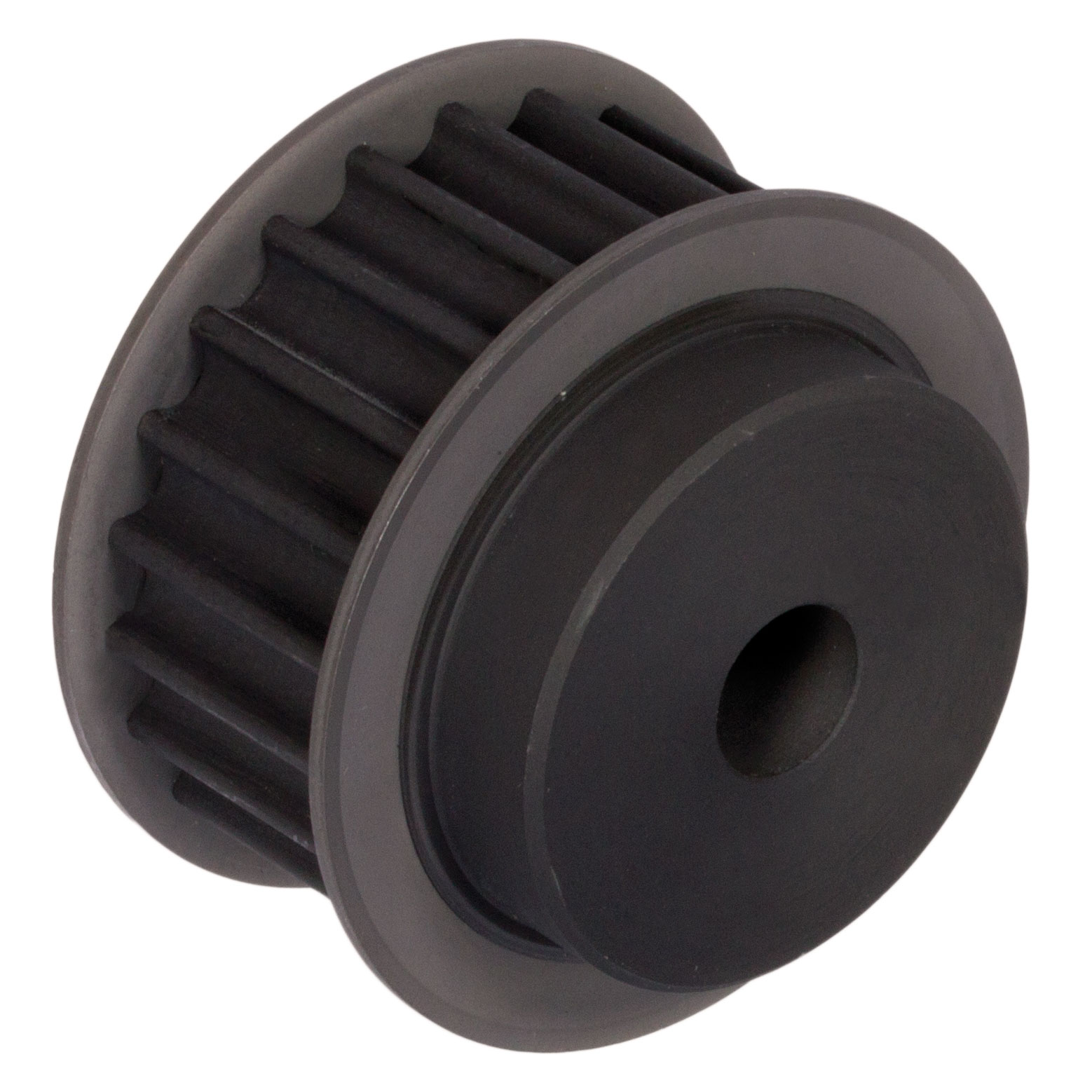
Welke materialen worden doorgaans gebruikt voor de productie van distributiepoelies?
Distributierollen worden vervaardigd uit diverse materialen, die elk worden gekozen op basis van hun specifieke eigenschappen en prestatie-eisen. Hieronder volgen enkele van de materialen die doorgaans worden gebruikt:
1. Staal:
Staal is een veelgebruikt materiaal voor distributierollen vanwege de hoge sterkte, duurzaamheid en slijtvastheid. Stalen rollen zijn bestand tegen zware belastingen en hoge snelheden. Ze worden vaak gebruikt in industriële machines, automotoren en aandrijfsystemen die robuuste en betrouwbare prestaties vereisen.
2. Aluminium:
Distributierollen van aluminium zijn geliefd vanwege hun lichte gewicht, corrosiebestendigheid en uitstekende warmteafvoerende eigenschappen. Ze worden veel gebruikt in toepassingen waar gewichtsbesparing een prioriteit is, zoals in de lucht- en ruimtevaart en de automobielindustrie. Aluminium rollen zijn ook geschikt voor hogesnelheidstoepassingen waarbij een lagere inertie gewenst is.
3. Gietijzer:
Gietijzeren distributierollen bieden uitstekende sterkte en duurzaamheid. Ze staan bekend om hun hoge draagvermogen en weerstand tegen slijtage en vervorming. Gietijzeren rollen worden veelvuldig gebruikt in zware industriële toepassingen met hoge belastingen en zware bedrijfsomstandigheden.
4. Technische kunststoffen:
Diverse technische kunststoffen, zoals polyamide (nylon), polyoxymethyleen (acetaal) en polycarbonaat, worden gebruikt voor de productie van distributiepoelies. Deze materialen bieden een goede sterkte, slijtvastheid en lage wrijvingseigenschappen. Poelies van technische kunststoffen worden vaak gekozen vanwege hun lichte gewicht, lage geluidsproductie en zelfsmurende eigenschappen. Ze vinden toepassingen in industrieën zoals verpakking, voedselverwerking en automatisering.
5. Composietmaterialen:
Composietmaterialen, die verschillende materialen zoals koolstofvezels of glasvezels combineren met een polymeermatrix, worden gebruikt voor de productie van hoogwaardige distributietandwielen. Deze tandwielen bieden een uitzonderlijke sterkte-gewichtsverhouding, hoge stijfheid en uitstekende weerstand tegen temperatuur en chemicaliën. Composiettandwielen worden doorgaans gebruikt in veeleisende toepassingen die een lichtgewicht constructie en hoge prestaties vereisen, zoals de autosport en geavanceerde machines.
6. Overige materialen:
Afhankelijk van de specifieke toepassingseisen kunnen distributietandwielen ook worden vervaardigd uit materialen zoals messing, brons of roestvrij staal, die specifieke eigenschappen bieden zoals corrosiebestendigheid of elektrische geleidbaarheid.
De materiaalkeuze voor distributierollen hangt af van factoren zoals draagvermogen, snelheid, bedrijfsomstandigheden, omgevingsfactoren en kostenoverwegingen. Fabrikanten selecteren het meest geschikte materiaal om optimale prestaties, duurzaamheid en betrouwbaarheid in de beoogde toepassing te garanderen.
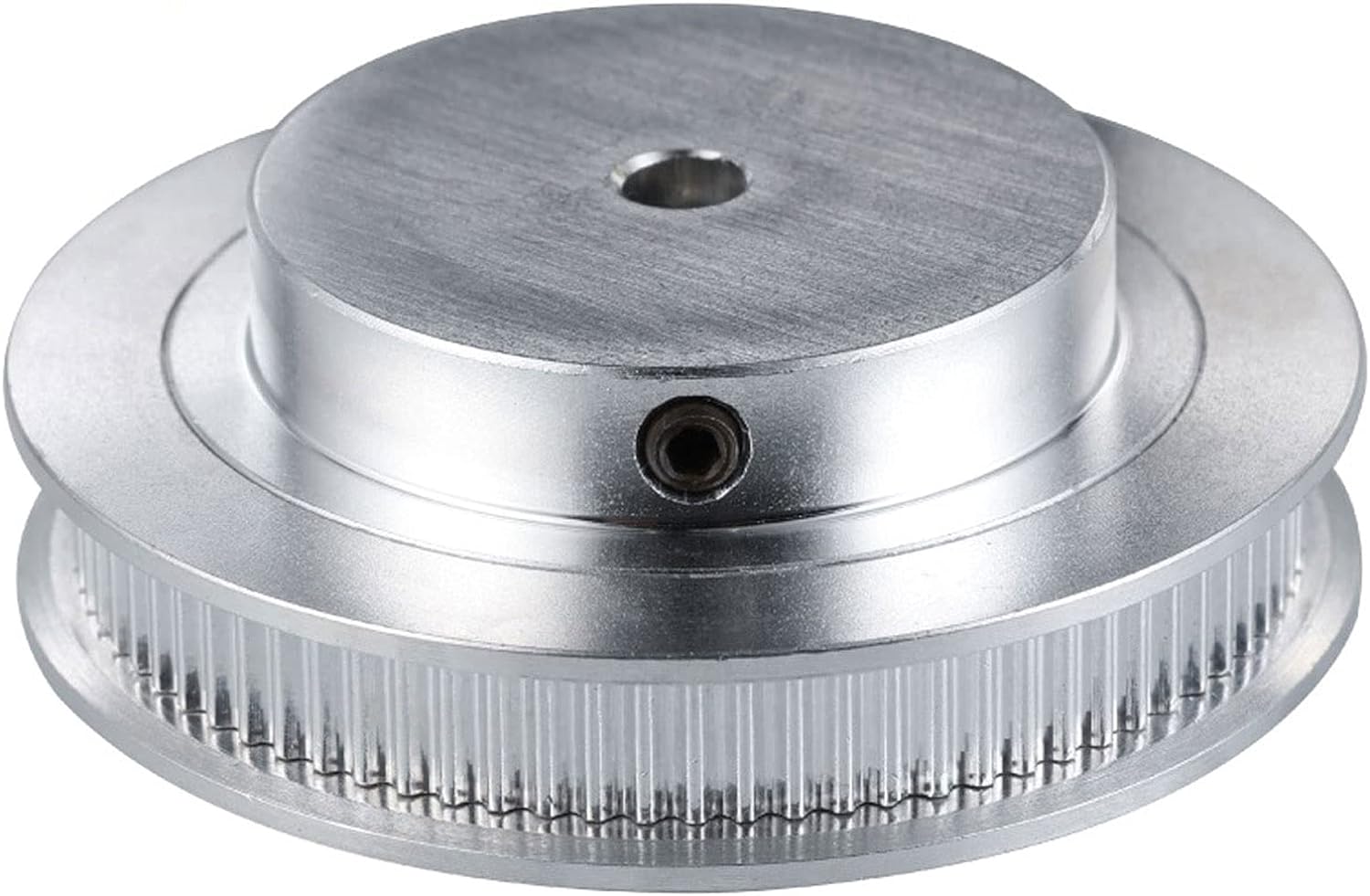
What are the benefits of using toothed timing belts with pulleys?
Using toothed timing belts in conjunction with pulleys offers several benefits in mechanical systems. Here are some advantages:
1. Precise Power Transmission:
Toothed timing belts provide accurate power transmission between the driving and driven pulleys. The teeth on the belt mesh with the grooves or teeth on the pulley, creating a positive drive system. This positive engagement ensures that power is transferred efficiently and without slippage, maintaining precise motion and torque transmission.
2. Synchronization:
The teeth on the timing belt and the corresponding teeth on the pulley enable synchronization of multiple components in a system. By precisely matching the tooth profiles, timing belts ensure that the rotation of the driving pulley is transferred to the driven pulley with precise timing. This synchronization is crucial in applications where coordinated motion is necessary, such as in engines, conveyors, and robotic systems.
3. High Efficiency:
Toothed timing belts and pulleys have a high transmission efficiency. The positive engagement between the teeth on the belt and the pulley minimizes energy losses that can occur in other power transmission systems, such as friction-based drives. This high efficiency results in less power wastage and improved overall system performance.
4. Quiet and Smooth Operation:
Toothed timing belts operate with reduced noise levels compared to other power transmission systems. The meshing of the teeth creates a smooth and quiet operation, which is beneficial in applications where noise reduction is desired, such as in office equipment or precision machinery.
5. Low Maintenance:
Toothed timing belts require minimal maintenance compared to alternative power transmission systems. They do not need lubrication, which eliminates the need for regular greasing or oiling. Additionally, toothed timing belts are resistant to contamination and do not suffer from issues like stretching or retensioning, resulting in reduced maintenance tasks and costs.
6. Wide Range of Applications:
Toothed timing belts with pulleys find applications in various industries and systems. They are used in automotive engines, industrial machinery, printing presses, medical devices, and many other applications. Toothed timing belts can handle a wide range of loads and speeds, making them versatile for different power transmission requirements.
7. Design Flexibility:
Timing belts are available in various sizes, materials, and tooth profiles, offering design flexibility. This allows engineers and designers to select the most appropriate belt and pulley combination for their specific application requirements, considering factors such as load capacity, speed, environmental conditions, and space constraints.
In summary, using toothed timing belts with pulleys provides precise power transmission, synchronization, high efficiency, quiet operation, low maintenance, versatility, and design flexibility. These benefits make toothed timing belts a popular choice in numerous mechanical systems.
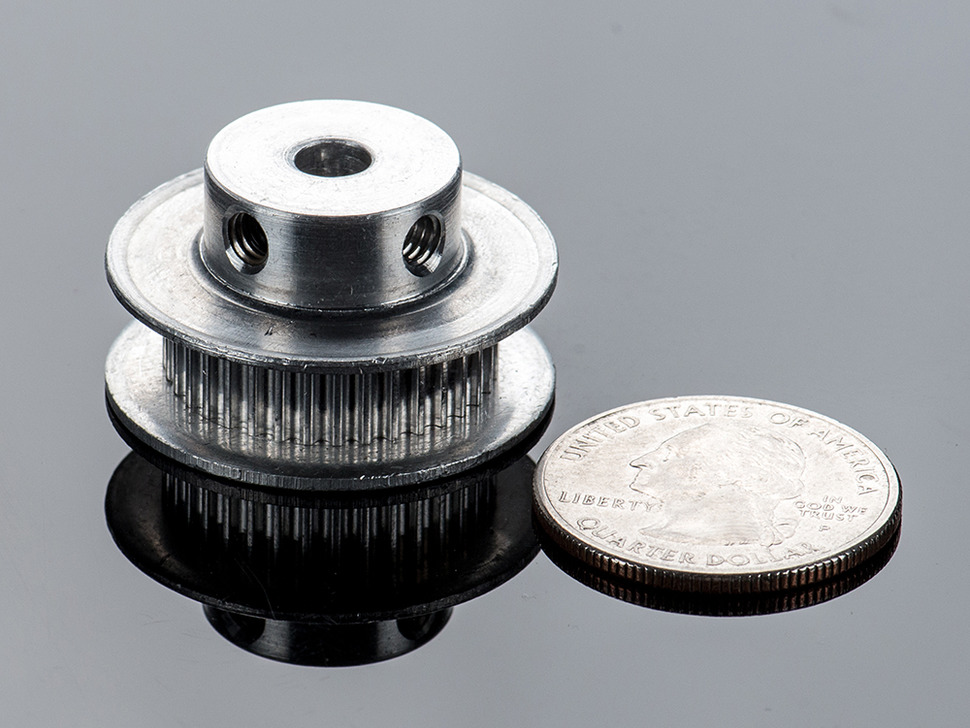
How are timing pulleys utilized in automotive engines?
Timing pulleys play a crucial role in automotive engines, contributing to the precise operation and synchronization of various engine components. Here’s how timing pulleys are utilized in automotive engines:
1. Camshaft Synchronization:
Timing pulleys are commonly employed to synchronize the rotation of the camshaft with the crankshaft in an internal combustion engine. The camshaft controls the opening and closing of the engine’s intake and exhaust valves, while the crankshaft converts the reciprocating motion of the pistons into rotational motion. The timing pulley on the camshaft is connected to the crankshaft via a timing belt or chain, ensuring precise timing and coordination between these two essential engine components.
2. Valve Timing:
Timing pulleys, in conjunction with the camshaft, determine the valve timing in an engine. The precise opening and closing of the intake and exhaust valves at specific moments during the engine’s four-stroke cycle (intake, compression, power, and exhaust) are critical for optimal engine performance. The timing pulleys ensure accurate valve timing, allowing for efficient fuel-air intake, combustion, and exhaust processes.
3. Belt or Chain Drive:
In automotive engines, timing pulleys are used in conjunction with a timing belt or timing chain to transmit power between the crankshaft and the camshaft. The timing belt or chain connects the timing pulleys on these two shafts, allowing for synchronized rotation. The teeth on the timing pulleys engage with the teeth on the timing belt or chain, creating a positive drive system that ensures accurate power transmission without slippage.
4. Tensioner and Idler Pulleys:
Timing pulleys are also utilized in the tensioning system of the timing belt or chain. Tensioner pulleys and idler pulleys, equipped with timing pulleys, help maintain proper tension and alignment of the timing belt or chain. These pulleys apply tension to the belt or chain, ensuring it remains securely in place and properly engaged with the timing pulleys on the crankshaft and camshaft.
5. Overhead Cam (OHC) and Dual Overhead Cam (DOHC) Engines:
Timing pulleys are particularly important in overhead cam (OHC) and dual overhead cam (DOHC) engines, where the camshaft(s) is located in the cylinder head above the valves. In these engine designs, timing pulleys help drive the camshaft(s) and synchronize their rotation with the crankshaft, ensuring precise valve operation and optimal engine performance.
6. Variable Valve Timing Mechanisms:
Timing pulleys are integral to variable valve timing (VVT) mechanisms used in modern automotive engines. VVT systems adjust the timing of the intake and exhaust valves to optimize engine performance, power, and fuel efficiency under different operating conditions. Timing pulleys, combined with hydraulic actuators or electronically controlled mechanisms, enable the adjustment of the camshaft position and timing, allowing for variable valve timing.
7. Engine Performance and Efficiency:
By accurately timing the valve operation and synchronization between the camshaft and crankshaft, timing pulleys contribute to overall engine performance and efficiency. Precise valve timing ensures efficient combustion, improved power delivery, reduced emissions, and better fuel economy. Proper operation of the timing pulleys is essential for the reliable and optimal functioning of automotive engines.
In summary, timing pulleys are essential components in automotive engines, facilitating the synchronization of the camshaft and crankshaft, determining valve timing, enabling power transmission through timing belts or chains, assisting in tensioning systems, and supporting variable valve timing mechanisms. Their precise operation ensures efficient engine performance, power delivery, and fuel economy in various types of automotive engines.


Bewerking door CX
2024-03-15