
Описание продукта
Описание продукта
1.Teeth Profile:
HTD: | 3M,5M,8M,14M,20M | |||
T&AT: | T2.5,T5,T10, AT5,AT10,AT20 | |||
STPD: | S2M,S3M,S4.5M,S5M,S8M,S14M | |||
RPP: | 5M,8M,14M,20M | |||
PGGT (PowerGrip GT): | 2MR,3MR,5MR,8MR,14MR | |||
2. Materials:
Aluminum timing pulleys
Characteristics:
1.suitable for moderate power transmission
2.light weight / reduced rotational inertia
3.moderate chemical and corrosion resistance
4.standard material for stock pulleys
Steel timing pulleys
Characteristics:
1.suitable for high power transmission
2.durable
3.limited chemical and corrosion resistance
4.aesthetic material
3.Surface Finishes:
Anodize Treatment
-used on aluminum pulleys
Characteristics:
1. Increased chemical and corrosion resistance
2. Available in natural, black, or colored
3. Limited increase of surface hardness
4. Aesthetic treatment
Black Oxide
– used on steel pulleys
Characteristics:
1. Increased chemical and corrosion resistance
2. Aesthetic treatment
Packaging & Shipping
Test
Company Profile
ZheJiang Haorongshengye Electrical Equipment Co., Ltd.
1. Was founded in 2008
2. Our Principle:
“Credibility Supremacy, and Customer First”
3. Our Promise:
“High quality products, and Excellent Service”
4. Our Value:
“Being Honesty, Doing the Best, and Long-lasting Development”
5. Our Aim:
“Develop to be a leader in the power transmission parts industry in the world”
6.Our services: | 1).Competitive price | |||
2).High quality products | ||||
3).OEM service or can customized according to your drawings | ||||
4).Reply your inquiry in 24 hours | ||||
5).Professional technical team 24 hours online service | ||||
6).Provide sample service | ||||
Main products
Machines
Exbihition
/* 22 января 2571 19:08:37 */!function(){function s(e,r){var a,o={};try{e&&e.split(“,).forEach(function(e,t){e&&(a=e.match(/(.*?):(.*)$/))&&1
| Производственный процесс: | Hobbing |
|---|---|
| Material: | Carbon Steel |
| Surface Treatment: | Polishing |
| Application: | Chemical Industry, Grain Transport, Mining Transport, Power Plant |
| Pitch for Arc Tooth: | 3mm/5mm/8mm/14mm/20mm |
| Pitch for T Tooth: | 2mm/5mm/10mm/20mm |
| Образцы: | US$ 100/Piece 1 штука (минимальный заказ) | |
|---|
| Настройка: | Доступный | Индивидуальный запрос |
|---|
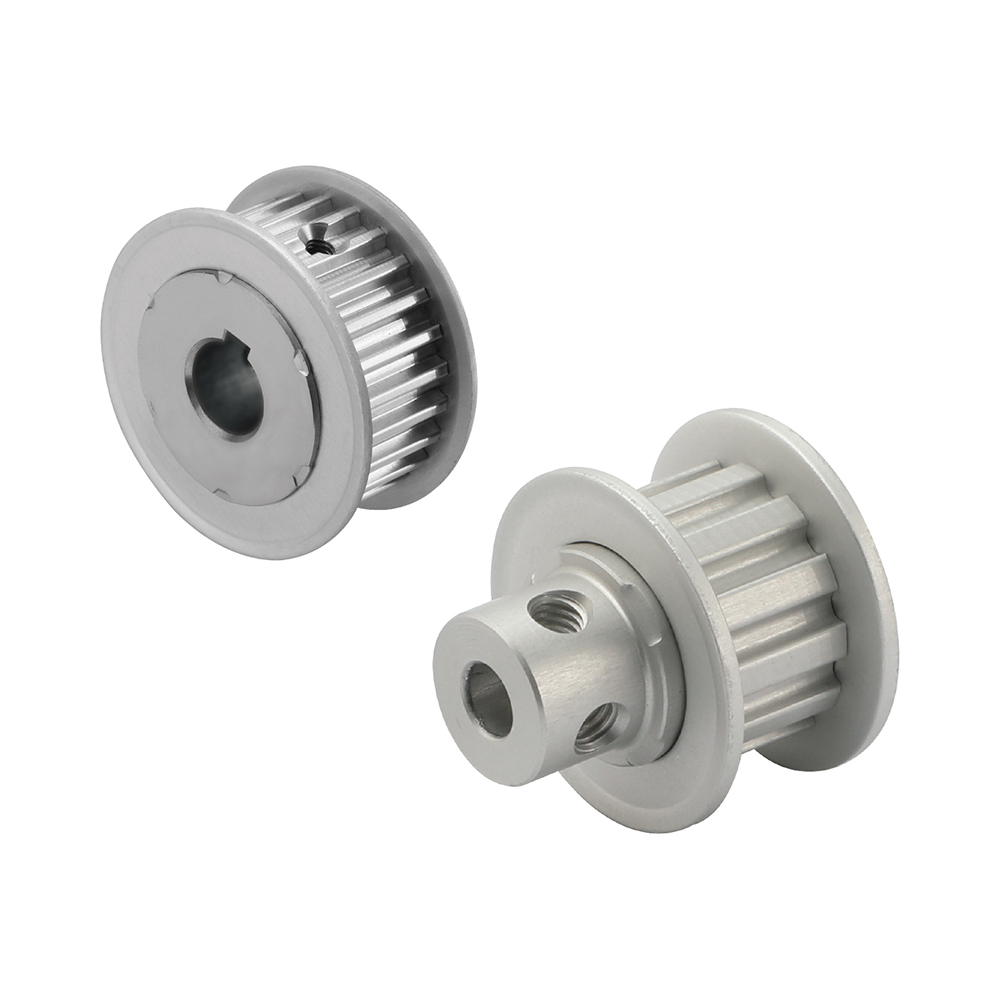
Каким образом зубчатые шкивы способствуют эффективному распределению мощности?
Шкивы механизма синхронизации играют решающую роль в обеспечении эффективного распределения мощности в различных механических системах. Вот как шкивы механизма синхронизации способствуют эффективному распределению мощности:
1. Точное время и синхронизация:
Шкивы синхронизации, в сочетании с зубчатыми ремнями или цепями, синхронизируют вращение различных компонентов в системе. Поддерживая точную синхронизацию между входным и выходным валами, шкивы синхронизации обеспечивают точное и эффективное распределение мощности. Эта синхронизация предотвращает потери мощности из-за смещения или расхождений во времени.
2. Система принудительного привода:
В сочетании с зубчатыми ремнями или цепями зубчатые шкивы создают надежную приводную систему. Зубья шкивов зацепляются с зубьями ремня или цепи, обеспечивая прочное сцепление, исключающее проскальзывание. Эта надежная передача обеспечивает эффективную передачу мощности от ведущего шкива к ведомому без потерь энергии.
3. Распределение нагрузки:
Шкивы с зубчатой передачей помогают равномерно распределять нагрузку по системе, передавая мощность от ведущего шкива к ведомому. Конструкция шкива и профиль зубьев позволяют распределять нагрузку по большей площади контакта, снижая концентрацию напряжений на отдельных компонентах. Такое равномерное распределение нагрузки повышает общую эффективность передачи мощности.
4. Снижение трения и износа:
Шкивы зубчатой передачи, особенно изготовленные из материалов с низким коэффициентом трения, минимизируют трение и износ при передаче мощности. Плавное зацепление зубьев шкива с ремнем или цепью снижает потери энергии, вызванные трением. Кроме того, материалы с превосходными износостойкими свойствами продлевают срок службы шкивов, обеспечивая долговременную эффективность.
5. Контроль натяжения:
Шкивы механизма газораспределения в сочетании с натяжными и направляющими шкивами помогают поддерживать надлежащее натяжение ремня или цепи газораспределения. Правильный контроль натяжения гарантирует надежное зацепление ремня или цепи со шкивами, предотвращая потери мощности из-за проскальзывания. Поддерживая оптимальное натяжение, шкивы механизма газораспределения способствуют эффективному распределению мощности по всей системе.
6. Оптимизация системы:
Шкивы с зубчатой передачей позволяют оптимизировать систему, обеспечивая гибкость в выборе передаточных чисел и конфигураций передачи мощности. Выбирая шкивы с различными диаметрами или профилями зубьев, инженеры могут регулировать распределение скорости и крутящего момента в системе. Такая оптимизация гарантирует эффективное распределение мощности в соответствии с требованиями конкретного применения.
В целом, зубчатые шкивы обеспечивают эффективное распределение мощности за счет точной синхронизации, создания надежной приводной системы, равномерного распределения нагрузок, снижения трения и износа, контроля натяжения и оптимизации системы. Эти факторы способствуют общей эффективности, надежности и производительности механических систем, в которых используются зубчатые шкивы.
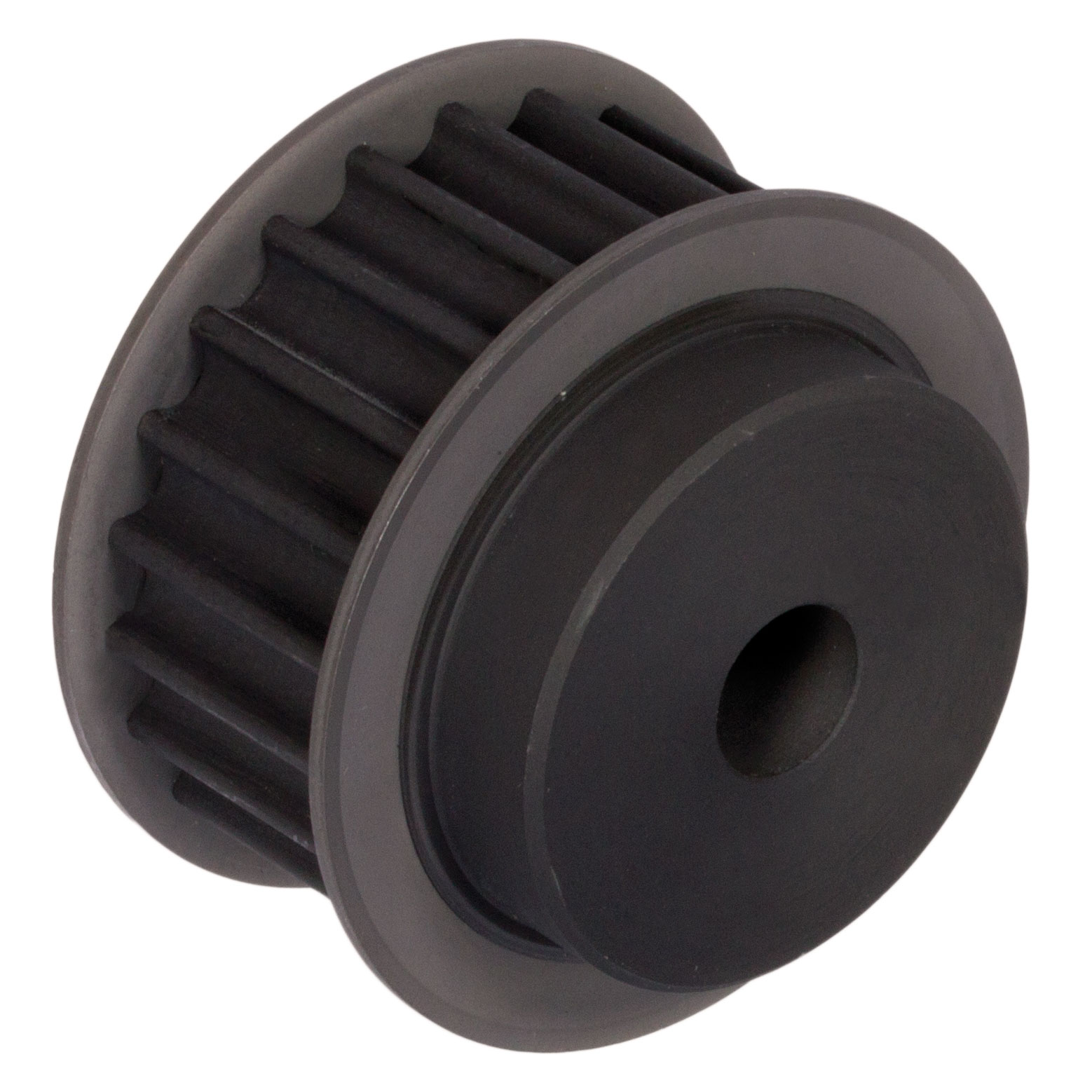
How do timing pulleys impact the performance of 3D printers?
Timing pulleys play a significant role in determining the performance and accuracy of 3D printers. Here’s an explanation of how timing pulleys impact the performance of 3D printers:
1. Motion Control:
Timing pulleys, in conjunction with belts or chains, are used to control the movement of the print head and build platform in 3D printers. The motor drives the driving pulley, which is connected to the print head or build platform through a timing belt or chain. The driven pulley on the print head or build platform receives the rotational motion from the driving pulley, resulting in precise and synchronized movement. The accuracy and quality of the printed object depend on the precise control and synchronization facilitated by the timing pulleys.
2. Positioning Accuracy:
Timing pulleys contribute to the positioning accuracy of 3D printers. The teeth on the timing belt or chain mesh with the teeth on the pulleys, creating positive engagement. This ensures that the print head or build platform moves precisely according to the instructions from the control system. The accuracy of the timing pulley system directly affects the dimensional accuracy and surface finish of the printed object.
3. Speed and Acceleration:
Timing pulleys allow for control of the speed and acceleration of the print head and build platform in 3D printers. By varying the diameter or the number of teeth on the pulleys, different gear ratios can be achieved. This enables printers to control the speed and acceleration of the print head or build platform, affecting printing time, print quality, and the ability to handle intricate details and complex geometries.
4. Print Resolution:
The resolution of a 3D printer refers to the smallest feature size that can be accurately reproduced. Timing pulleys play a role in determining the achievable print resolution. The finer the pitch and the more teeth per unit length on the timing belt or chain, the higher the resolution that can be achieved. Timing pulleys with smaller teeth allow for finer positioning and more precise movement, enabling the printer to produce objects with intricate details and smooth surfaces.
5. Noise and Vibration:
Properly designed and maintained timing pulley systems contribute to reducing noise and vibration in 3D printers. Well-aligned and tensioned timing belts or chains, along with accurately machined pulleys, minimize backlash and ensure smooth and quiet operation. This is particularly important during rapid movements and changes in direction, as excessive noise and vibration can affect print quality and overall printer performance.
6. Maintenance and Durability:
The durability and maintenance requirements of the timing pulley system impact the overall performance of 3D printers. High-quality timing pulleys and belts or chains are essential to ensure longevity and reliable operation. Regular inspection, tensioning, and replacement of worn or damaged components are necessary to maintain optimal performance and prevent print quality issues caused by a degraded timing pulley system.
7. Extruder and Filament Control:
In addition to controlling the movement of the print head and build platform, timing pulleys may also be used in the extruder assembly of 3D printers. Timing pulleys help drive the filament feeding mechanism, ensuring consistent and controlled extrusion of the filament during the printing process. The accurate and synchronized movement facilitated by the timing pulleys contributes to maintaining filament tension and preventing issues such as under-extrusion or filament jams.
By understanding the impact of timing pulleys on 3D printer performance, manufacturers and users can optimize the design, calibration, and maintenance of the timing pulley systems to achieve accurate, reliable, and high-quality 3D prints.
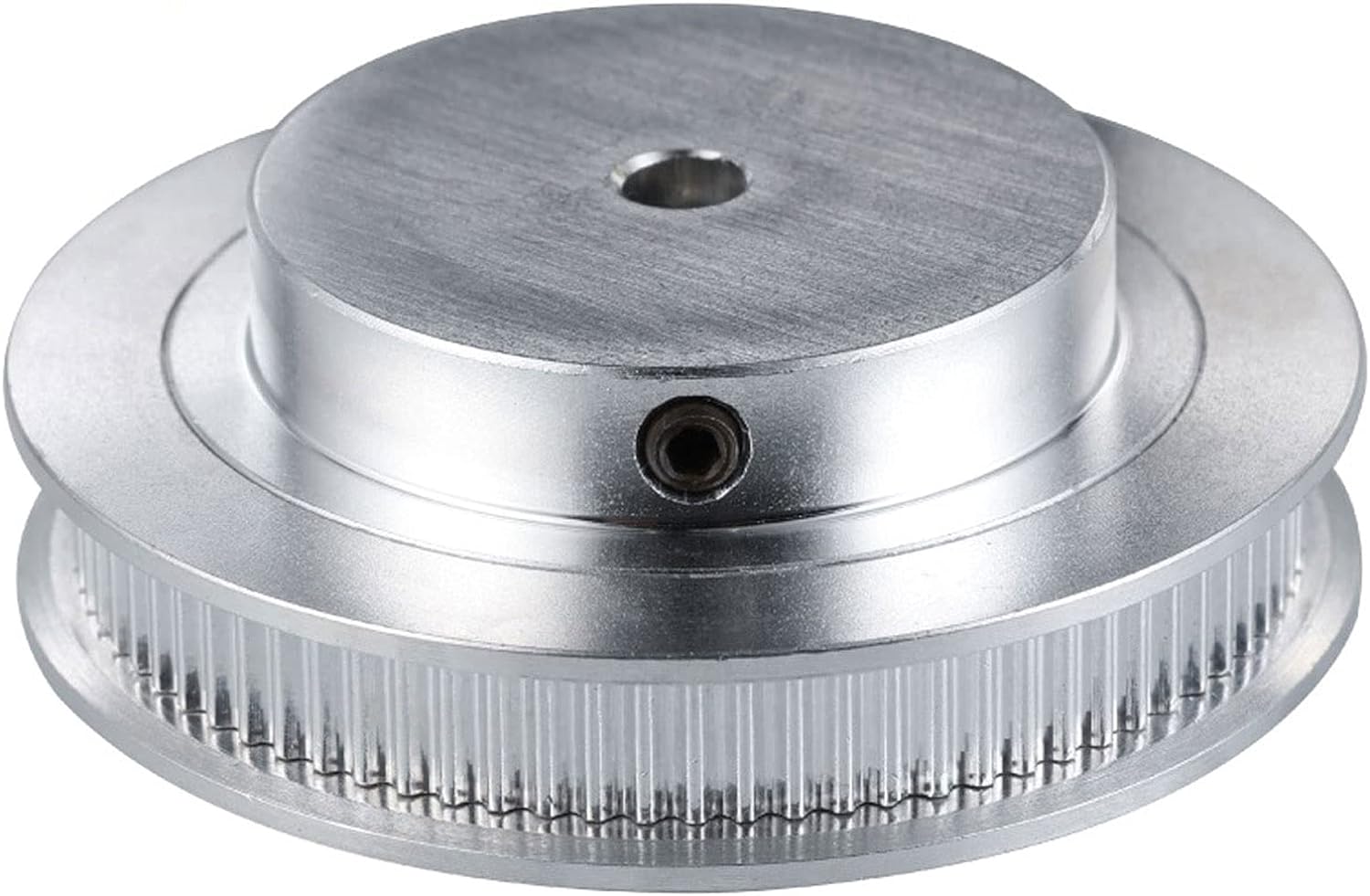
Can you explain the importance of precision in timing pulley systems?
Precision is of utmost importance in timing pulley systems due to the critical nature of their applications. Here’s an explanation of why precision is essential in timing pulley systems:
1. Accurate Timing and Synchronization:
Precision ensures accurate timing and synchronization between the driving and driven components in a mechanical system. Timing pulley systems are commonly used in applications where precise motion control is necessary, such as engines, robotics, CNC machines, and automated systems. Any deviation from the intended timing can lead to errors, malfunctions, or decreased performance in these systems.
2. Consistent Power Transmission:
In a timing pulley system, the teeth on the timing pulley engage with the teeth on the timing belt, creating a positive drive system. Precision in the design and manufacturing of the timing pulley and timing belt ensures consistent power transmission without slippage or backlash. This reliability is crucial in applications that require accurate speed ratios, torque transmission, and consistent performance.
3. Positioning and Indexing Accuracy:
Precision in timing pulley systems allows for precise positioning and indexing of components. The teeth on the timing pulley and belt ensure accurate movement and positioning, enabling repeatable and controlled motion. This is essential in applications such as automated assembly lines, 3D printers, and precision motion control systems, where precise positioning is critical for achieving desired outcomes.
4. Reduced Wear and Maintenance:
Precision in timing pulley systems leads to reduced wear and maintenance requirements. When the teeth of the timing pulley and belt mesh precisely, there is minimal abrasion and elongation of the belt, resulting in increased longevity. Additionally, precise timing and synchronization minimize stress on the system, reducing the need for frequent adjustments and replacements.
5. Noise and Vibration Reduction:
Precision in timing pulley systems helps minimize noise and vibration. When the teeth of the timing pulley and belt are precisely matched, there is a smooth transfer of power, reducing noise generation and vibration. This is particularly important in applications where noise and vibration can affect the performance or comfort of the system, such as in precision instruments or equipment used in quiet environments.
6. System Reliability and Performance:
Precision contributes to the overall reliability and performance of timing pulley systems. Accurate timing, synchronization, and power transmission ensure that the system operates as intended, minimizing the risk of failures, errors, or inefficiencies. Reliable performance is crucial in critical applications where downtime or errors can have significant consequences.
In summary, precision is vital in timing pulley systems to achieve accurate timing and synchronization, consistent power transmission, precise positioning and indexing, reduced wear and maintenance, noise and vibration reduction, and overall system reliability and performance. Attention to precision during the design, manufacturing, installation, and maintenance of timing pulley systems is essential to ensure optimal functionality and meet the specific requirements of the application.


редактор CX
2024-04-09