
Descrizione del prodotto
CHINAMFG Machinery offers a wide range of high quality Timing Belt Pulleys and Toothed Bars/ Timing Bars. Standard and non-standard pulleys according to drawings are available.
Types of material:
1. AlCuMgPb 6061 6082 Aluminum Timing Pulley
2. C45E 1045 S45C Carbon Steel Timing Pulley
3. GG25 HT250 Cast Iron Timing Pulley
4. SUS303 SUS304 AISI431 Stainless Steel Timing Pulley
5. Other material on demand, such as cooper, bronze and plastic
Types of surface treatment
1. Anodized surface -Aluminum Pulleys
2. Hard anodized surface — Aluminum Pulleys
3. Black Oxidized surface — Steel Pulleys
4. Zinc plated surface — Steel Pulleys
5. Chromate surface — Steel Pulleys; Cast Iron Pulleys
6. Nickel plated surface –Steel Pulleys; Cast Iron Pulleys
Types of teeth profile
| Teeth Profile | Pitch |
| HTD | 3M,5M,8M,14M,20M |
| AT | AT5,AT10,AT20 |
| T | T2.5,T5,T10 |
| MXL | 0.08″(2.032MM) |
| XL | 1/5″(5.08MM) |
| L | 3/8″(9.525MM) |
| H | 1/2″(12.7MM) |
| XH | 7/8″(22.225MM) |
| XXH | 1 1/4″(31.75MM) |
| STS STPD | S2M,S3M,S4.5M,S5M,S8M,S14M |
| RPP | RPP5M,RPP8M,RPP14M,RPP20M |
| PGGT | PGGT 2GT, 3GT and 5GT |
| PCGT | GT8M,GT14M |
Types of pitches and sizes
Imperial Inch Timing Belt Pulley,
1. Pilot Bore MXL571 for 6.35mm timing belt; teeth number from 16 to 72;
2. Pilot Bore XL037 for 9.53mm timing belt; teeth number from 10 to 72;
3. Pilot Bore, Taper Bore L050 for 12.7mm timing belt; teeth number from 10 to 120;
4. Pilot Bore, Taper Bore L075 for 19.05mm timing belt; teeth number from 10 to 120;
5. Pilot Bore, Taper Bore L100 for 25.4mm timing belt; teeth number from 10 to 120;
6. Pilot Bore, Taper Bore H075 for 19.05mm timing belt; teeth number from 14 to 50;
7. Pilot Bore, Taper Bore H100 for 25.4mm timing belt; teeth number from 14 to 156;
8. Pilot Bore, Taper Bore H150 for 38.1mm timing belt; teeth number from 14 to 156;
9. Pilot Bore, Taper Bore H200 for 50.8mm timing belt; teeth number from 14 to 156;
10. Pilot Bore, Taper Bore H300 for 76.2mm timing belt; teeth number from 14 to 156;
11. Taper Bore XH200 for 50.8mm timing belt; teeth number from 18 to 120;
12. Taper Bore XH300 for 76.2mm timing belt; teeth number from 18 to 120;
13. Taper Bore XH400 for 101.6mm timing belt; teeth number from 18 to 120;
Metric Timing Belt Pulley T and AT
1. Pilot Bore T2.5-16 for 6mm timing belt; teeth number from 12 to 60;
2. Pilot Bore T5-21 for 10mm timing belt; teeth number from 10 to 60;
3. Pilot Bore T5-27 for 16mm timing belt; teeth number from 10 to 60;
4. Pilot Bore T5-36 for 25mm timing belt; teeth number from 10 to 60;
5. Pilot Bore T10-31 for 16mm timing belt; teeth number from 12 to 60;
6. Pilot Bore T10-40 for 25mm timing belt; teeth number from 12 to 60;
7. Pilot Bore T10-47 for 32mm timing belt; teeth number from 18 to 60;
8. Pilot Bore T10-66 for 50mm timing belt; teeth number from 18 to 60;
9. Pilot Bore AT5-21 for 10mm timing belt; teeth number from 12 to 60;
10. Pilot Bore AT5-27 for 16mm timing belt; teeth number from 12 to 60;
11. Pilot Bore AT5-36 for 25mm timing belt; teeth number from 12 to 60;
12. Pilot Bore AT10-31 for 16mm timing belt; teeth number from 15 to 60;
13. Pilot Bore AT10-40 for 25mm timing belt; teeth number from 15 to 60;
14. Pilot Bore AT10-47 for 32mm timing belt; teeth number from 18 to 60;
15. Pilot Bore AT10-66 for 50mm timing belt; teeth number from 18 to 60;
Metric Timing Belt Pulley HTD3M, 5M, 8M, 14M
1. HTD3M-06; 3M-09; 3M-15; teeth number from 10 to 72;
2. HTD5M-09; 5M-15; 5M-25; teeth number from 12 to 72;
3. HTD8M-20; 8M-30; 8M-50; 8M-85 teeth number from 22 to 192;
4. HTD14M-40; 14M-55; 14M-85; 14M-115; 14M-170; teeth number from 28-216;
5. Taper Bore HTD5M-15; 8M-20; 8M-30; 8M-50; 8M-85; 14M-40; 14M-55; 14M-85;
14M-115; 14M-170
Metric Timing Belt Pulleys for Poly Chain GT2 Belts
1. PCGT8M-12; PCGT8M-21; PCGT8M-36; PCGT8M-62;
2. PCGT14M-20; PCGT14M-37; PCGT14M-68; PCGT14M-90; PCGT14M-125;
Power Grip CHINAMFG Tooth/ PGGT 2GT, 3GT and 5GT
1. 2GT-06, 2GT-09 for timing belt width 6mm and 9mm
2. 3GT-09, 3GT-15 for timing belt width 9mm and 15mm
3. 5GT-15, 5GT-25 for timing belt width 15mm and 25mm
OMEGA RPP HTD Timing Pulleys
1. RPP3M-06; 3M-09; 3M-15; teeth number from 10 to 72;
2. RPP5M-09; 5M-15; 5M-25; teeth number from 12 to 72;
3. RPP8M-20; 8M-30; 8M-50; 8M-85 teeth number from 22 to 192;
4. RPP14M-40; 14M-55; 14M-85; 14M-115; 14M-170; teeth number from 28-216;
5. Taper Bore RPP5M-15; 8M-20; 8M-30; 8M-50; 8M-85; 14M-40; 14M-55; 14M-85;
14M-115; 14M-170
Ubet Machinery is also competetive on these power transmission components.
/* 22 gennaio 2571 19:08:37 */!function(){function s(e,r){var a,o={};try{e&&e.split(“,”).forEach(function(e,t){e&&(a=e.match(/(.*?):(.*)$/))&&1
| Certification: | ISO |
|---|---|
| Pulley Sizes: | Timing |
| Processo di produzione: | Sawing |
| Esempi: | US$ 4/Piece 1 pezzo (ordine minimo) | Order Sample |
|---|
| Personalizzazione: | Disponibile | Richiesta personalizzata |
|---|
.shipping-cost-tm .tm-status-off{background: none;padding:0;color: #1470cc}
| Shipping Cost: Estimated freight per unit. | about shipping cost and estimated delivery time. |
|---|
| Payment Method: |
|
|---|---|
| Initial Payment Full Payment |
| Currency: | US$ |
|---|
| Return&refunds: | You can apply for a refund up to 30 days after receipt of the products. |
|---|
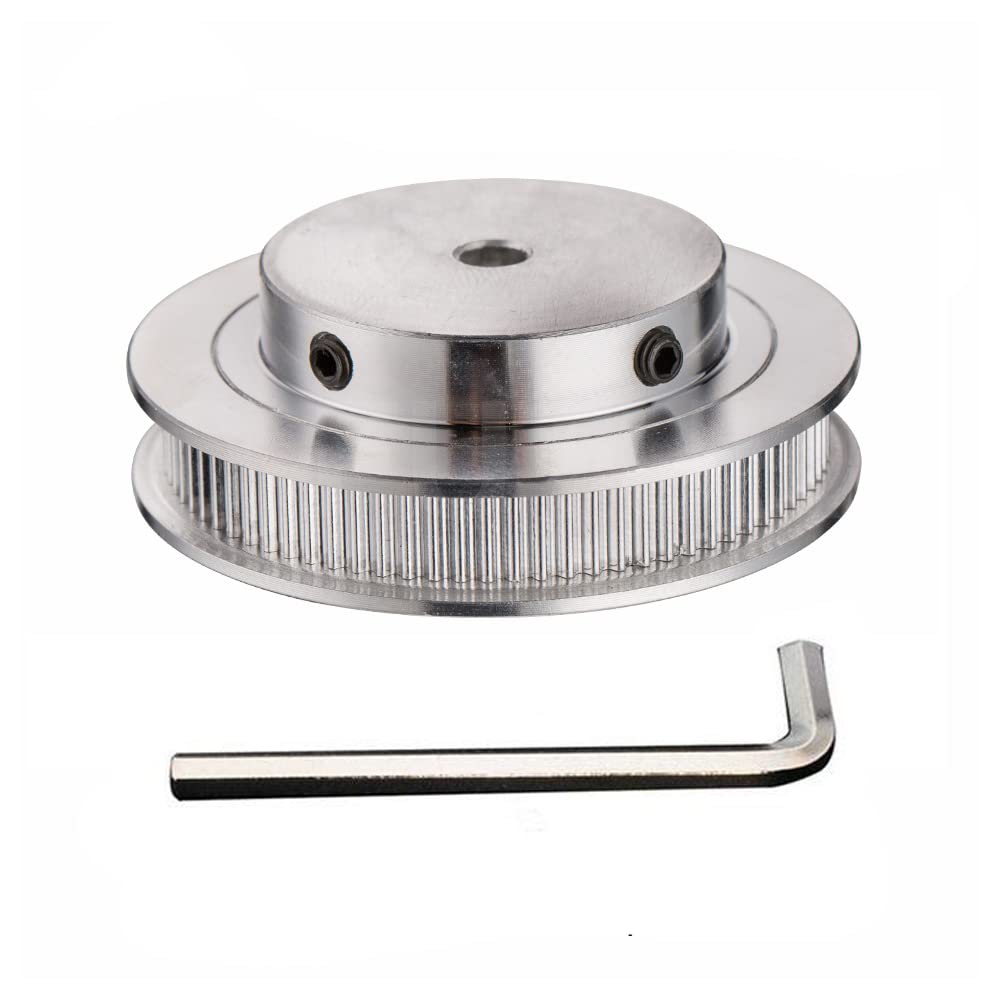
In che modo i sistemi di pulegge dentate garantiscono un movimento sincronizzato?
I sistemi di pulegge dentate svolgono un ruolo cruciale nel garantire il movimento sincronizzato in diversi sistemi meccanici. Ecco come i sistemi di pulegge dentate ottengono il movimento sincronizzato:
1. Design dentellato:
Le pulegge di distribuzione presentano denti o scanalature sulla loro circonferenza che si innestano con i denti della cinghia o catena di distribuzione. La dentatura crea un innesto sicuro tra la puleggia e la cinghia o catena, impedendo lo slittamento e mantenendo una sincronizzazione precisa.
2. Cinghie o catene di distribuzione:
Il sistema di pulegge dentate funziona in combinazione con una cinghia o una catena di distribuzione. I denti della cinghia o della catena si innestano con i denti della puleggia, garantendo che il movimento rotatorio venga trasferito con precisione dalla puleggia motrice a quella condotta. L'innesto preciso dei denti permette una sincronizzazione perfetta tra le pulegge.
3. Tono costante:
I denti della cinghia o catena di distribuzione e i corrispondenti denti delle pulegge di distribuzione hanno un passo costante. Il passo si riferisce alla distanza tra i denti e rimane costante per tutta la lunghezza della cinghia o catena. Questo passo costante garantisce che i denti della cinghia o catena si innestino con i denti delle pulegge alla stessa velocità, mantenendo un movimento sincronizzato.
4. Tolleranze di fabbricazione precise:
I sistemi di pulegge dentate sono realizzati con tolleranze ristrette per garantire profili dei denti precisi e dimensioni costanti. I denti delle pulegge e quelli della cinghia o della catena sono progettati per combaciare perfettamente, consentendo un'interazione senza soluzione di continuità e una sincronizzazione precisa. Le elevate tolleranze di fabbricazione contribuiscono all'affidabilità e all'efficienza del sistema.
5. Controllo della tensione:
Un corretto controllo della tensione è fondamentale per ottenere un movimento sincronizzato in un sistema di pulegge dentate. La tensione della cinghia o della catena di distribuzione deve essere regolata correttamente per garantire un innesto ottimale con le pulegge. Tenditori e pulegge folli vengono spesso utilizzati per mantenere la tensione appropriata, assicurando che la cinghia o la catena rimangano saldamente innestate sulle pulegge.
6. Scelta della puleggia e della cinghia/catena più adatte:
La scelta della combinazione appropriata di pulegge e cinghie o catene di distribuzione è fondamentale per ottenere un movimento sincronizzato. Fattori come il diametro della puleggia, il numero di denti, il passo della cinghia o della catena e la scelta del materiale devono essere considerati per soddisfare i requisiti specifici dell'applicazione. Una selezione corretta garantisce che il sistema di pulegge funzioni con una fasatura precisa e un movimento sincronizzato.
7. Manutenzione e ispezione periodiche:
Per garantire una sincronizzazione continua del movimento, è necessaria una manutenzione e un'ispezione regolari del sistema di pulegge di distribuzione. Ciò include il controllo dell'usura, della corretta tensione e dell'allineamento, nonché la sostituzione di eventuali componenti usurati. La manutenzione ordinaria aiuta a identificare e risolvere potenziali problemi che potrebbero compromettere la sincronizzazione del movimento del sistema.
Grazie all'integrazione di un design dentato, cinghie o catene di distribuzione, passo costante, tolleranze di fabbricazione precise, controllo della tensione, selezione di pulegge e cinghie/catene adatte e manutenzione regolare, i sistemi di pulegge di distribuzione garantiscono un movimento sincronizzato nei sistemi meccanici. Questa sincronizzazione è essenziale per una temporizzazione precisa, il coordinamento e il funzionamento efficiente di diverse applicazioni.
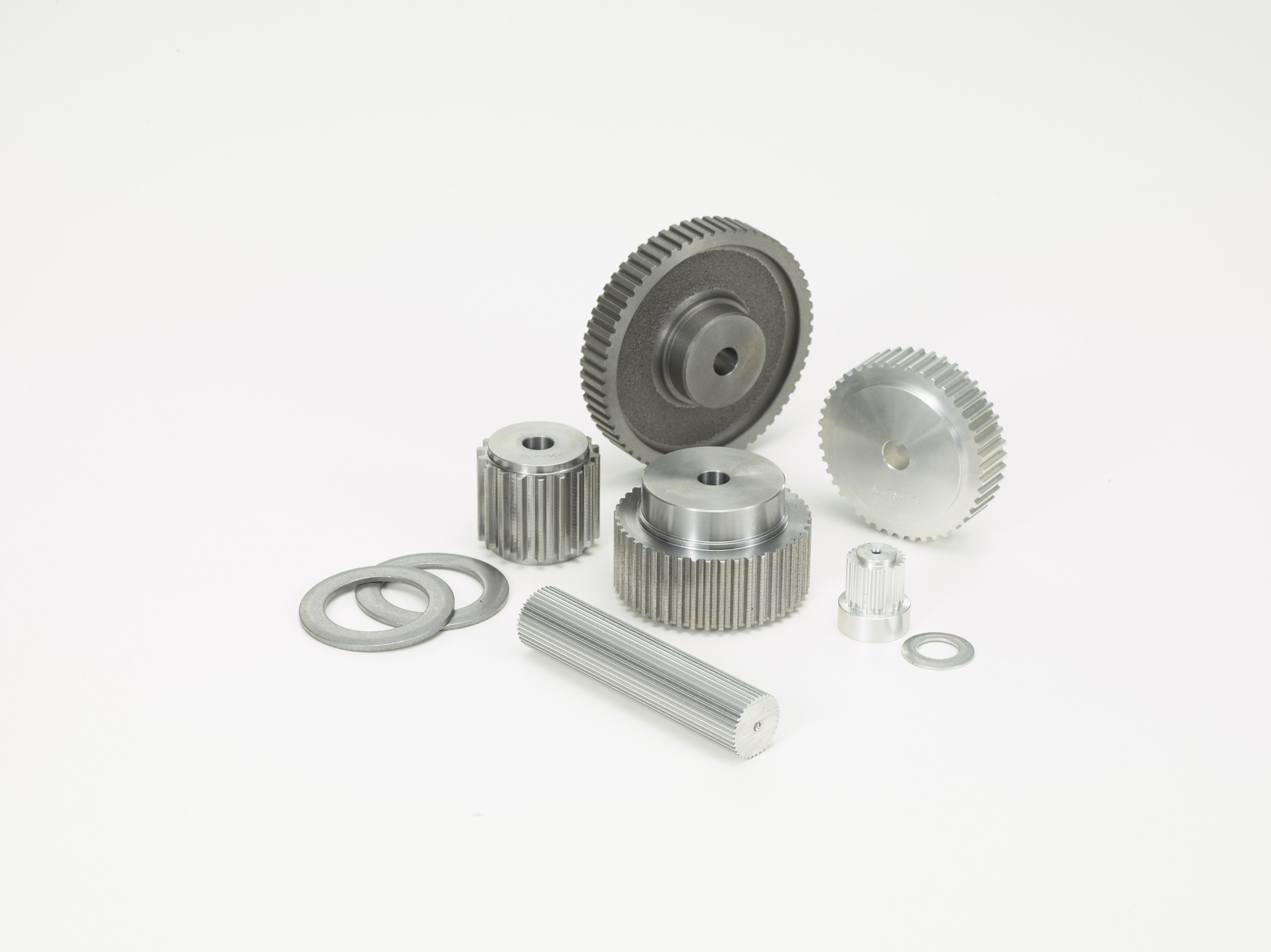
What safety considerations should be kept in mind when working with timing pulleys?
Working with timing pulleys requires careful attention to safety to prevent accidents and injuries. Here are some essential safety considerations to keep in mind:
1. Proper Training:
Ensure that individuals working with timing pulleys have received proper training on their safe handling and operation. Training should cover topics such as correct installation procedures, maintenance guidelines, and understanding the risks associated with timing pulley systems.
2. Personal Protective Equipment (PPE):
Wear appropriate personal protective equipment, including safety glasses, gloves, and any other required protective gear when working with timing pulleys. PPE helps protect against potential hazards such as flying debris, sharp edges, or accidental contact with moving parts.
3. Lockout/Tagout Procedures:
Follow established lockout/tagout procedures when performing maintenance or repair tasks on machinery equipped with timing pulleys. Lockout/tagout procedures involve isolating the power source, de-energizing the system, and securing it with a lock or tag to prevent unexpected startup or energization.
4. Machine Guarding:
Ensure that timing pulleys are properly guarded to prevent accidental contact. Install appropriate machine guards, barriers, or enclosures to prevent fingers, clothing, or other objects from coming into contact with the moving pulleys or belts.
5. Regular Inspection and Maintenance:
Regularly inspect timing pulleys for signs of wear, damage, or misalignment. Replace any worn or damaged components promptly to maintain safe operation. Follow the manufacturer’s recommended maintenance schedule and procedures.
6. Avoid Loose Clothing and Jewelry:
Avoid wearing loose clothing, jewelry, or any other items that could get caught in the timing pulleys or associated machinery. Loose clothing or accessories can pose a significant risk of entanglement or injury.
7. Proper Lifting and Handling:
When handling timing pulleys or related equipment, use proper lifting techniques and equipment to prevent strain or injuries. Seek assistance when dealing with heavy or bulky pulleys.
8. Risk Assessment:
Conduct a thorough risk assessment of the machinery and work environment to identify any additional safety measures that may be required. Consider factors such as noise levels, ventilation, and ergonomics to ensure a safe working environment.
9. Emergency Stop and Shutdown:
Ensure that machinery equipped with timing pulleys has accessible emergency stop buttons or switches. Familiarize yourself with the location and operation of these emergency stop devices and know how to shut down the machinery quickly in case of an emergency.
10. Follow Manufacturer’s Guidelines:
Adhere to the manufacturer’s guidelines, instructions, and warnings specific to the timing pulleys and associated machinery. Manufacturers provide valuable information regarding safe operation, maintenance procedures, and recommended safety precautions.
By following these safety considerations, individuals can minimize the risks associated with working with timing pulleys and promote a safe working environment.
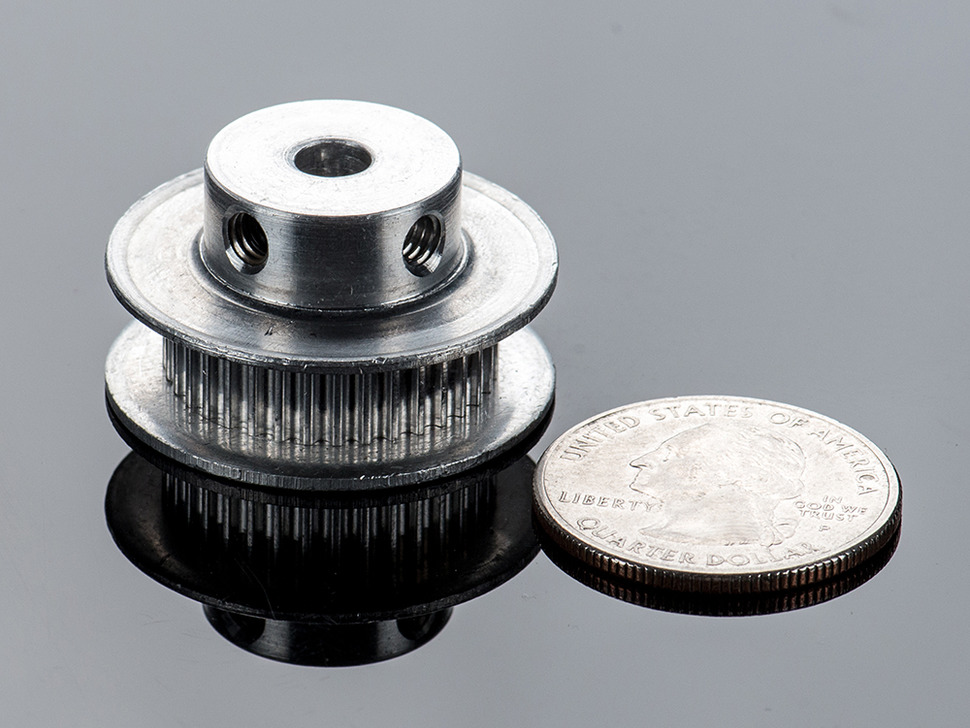
How are timing pulleys utilized in automotive engines?
Timing pulleys play a crucial role in automotive engines, contributing to the precise operation and synchronization of various engine components. Here’s how timing pulleys are utilized in automotive engines:
1. Camshaft Synchronization:
Timing pulleys are commonly employed to synchronize the rotation of the camshaft with the crankshaft in an internal combustion engine. The camshaft controls the opening and closing of the engine’s intake and exhaust valves, while the crankshaft converts the reciprocating motion of the pistons into rotational motion. The timing pulley on the camshaft is connected to the crankshaft via a timing belt or chain, ensuring precise timing and coordination between these two essential engine components.
2. Valve Timing:
Timing pulleys, in conjunction with the camshaft, determine the valve timing in an engine. The precise opening and closing of the intake and exhaust valves at specific moments during the engine’s four-stroke cycle (intake, compression, power, and exhaust) are critical for optimal engine performance. The timing pulleys ensure accurate valve timing, allowing for efficient fuel-air intake, combustion, and exhaust processes.
3. Belt or Chain Drive:
In automotive engines, timing pulleys are used in conjunction with a timing belt or timing chain to transmit power between the crankshaft and the camshaft. The timing belt or chain connects the timing pulleys on these two shafts, allowing for synchronized rotation. The teeth on the timing pulleys engage with the teeth on the timing belt or chain, creating a positive drive system that ensures accurate power transmission without slippage.
4. Tensioner and Idler Pulleys:
Timing pulleys are also utilized in the tensioning system of the timing belt or chain. Tensioner pulleys and idler pulleys, equipped with timing pulleys, help maintain proper tension and alignment of the timing belt or chain. These pulleys apply tension to the belt or chain, ensuring it remains securely in place and properly engaged with the timing pulleys on the crankshaft and camshaft.
5. Overhead Cam (OHC) and Dual Overhead Cam (DOHC) Engines:
Timing pulleys are particularly important in overhead cam (OHC) and dual overhead cam (DOHC) engines, where the camshaft(s) is located in the cylinder head above the valves. In these engine designs, timing pulleys help drive the camshaft(s) and synchronize their rotation with the crankshaft, ensuring precise valve operation and optimal engine performance.
6. Variable Valve Timing Mechanisms:
Timing pulleys are integral to variable valve timing (VVT) mechanisms used in modern automotive engines. VVT systems adjust the timing of the intake and exhaust valves to optimize engine performance, power, and fuel efficiency under different operating conditions. Timing pulleys, combined with hydraulic actuators or electronically controlled mechanisms, enable the adjustment of the camshaft position and timing, allowing for variable valve timing.
7. Engine Performance and Efficiency:
By accurately timing the valve operation and synchronization between the camshaft and crankshaft, timing pulleys contribute to overall engine performance and efficiency. Precise valve timing ensures efficient combustion, improved power delivery, reduced emissions, and better fuel economy. Proper operation of the timing pulleys is essential for the reliable and optimal functioning of automotive engines.
In summary, timing pulleys are essential components in automotive engines, facilitating the synchronization of the camshaft and crankshaft, determining valve timing, enabling power transmission through timing belts or chains, assisting in tensioning systems, and supporting variable valve timing mechanisms. Their precise operation ensures efficient engine performance, power delivery, and fuel economy in various types of automotive engines.


editor di CX
2024-04-03