
製品説明
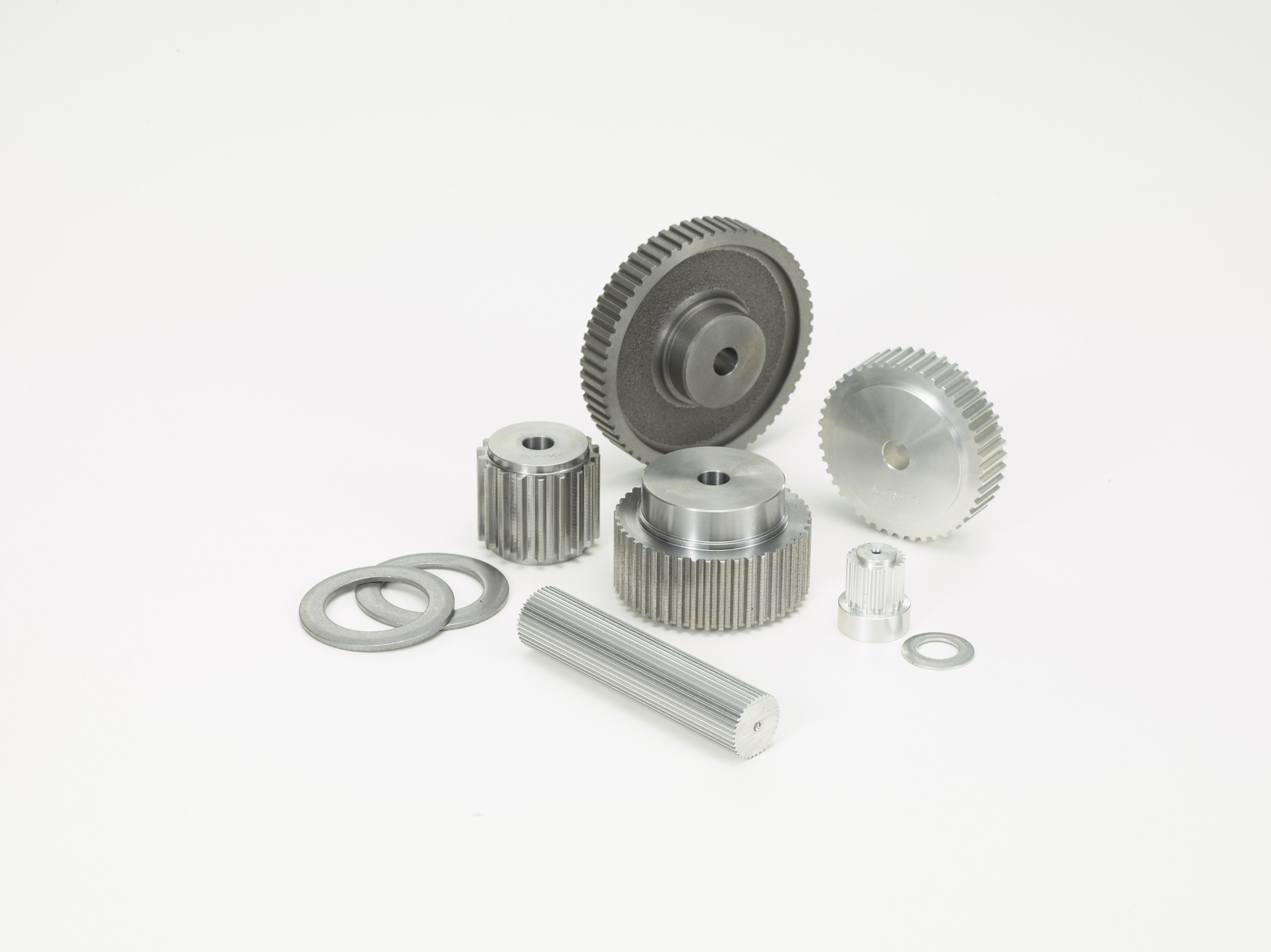
CHINAMFG Machinery offers a wide range of high quality Timing Belt Pulleys and Toothed Bars/ Timing Bars. Standard and non-standard pulleys according to drawings are available.
Types of material:
1. AlCuMgPb 6061 6082 Aluminum Timing Pulley
2. C45E 1045 S45C Carbon Steel Timing Pulley
3. GG25 HT250 Cast Iron Timing Pulley
4. SUS303 SUS304 AISI431 Stainless Steel Timing Pulley
5. Other material on demand, such as cooper, bronze and plastic
Types of surface treatment
1. Anodized surface -Aluminum Pulleys
2. Hard anodized surface — Aluminum Pulleys
3. Black Oxidized surface — Steel Pulleys
4. Zinc plated surface — Steel Pulleys
5. Chromate surface — Steel Pulleys; Cast Iron Pulleys
6. Nickel plated surface –Steel Pulleys; Cast Iron Pulleys
Types of teeth profile
| 歯のプロファイル | Pitch |
| HTD | 3M,5M,8M,14M,20M |
| AT | AT5,AT10,AT20 |
| T | T2.5,T5,T10 |
| MXL | 0.08″(2.032MM) |
| XL | 1/5″(5.08MM) |
| L | 3/8″(9.525MM) |
| H | 1/2″(12.7MM) |
| XH | 7/8″(22.225MM) |
| XXH | 1 1/4″(31.75MM) |
| STS STPD | S2M,S3M,S4.5M,S5M,S8M,S14M |
| RPP | RPP5M,RPP8M,RPP14M,RPP20M |
| PGGT | PGGT 2GT, 3GT and 5GT |
| PCGT | GT8M,GT14M |
Types of pitches and sizes
Imperial Inch Timing Belt Pulley,
1. Pilot Bore MXL571 for 6.35mm timing belt; teeth number from 16 to 72;
2. Pilot Bore XL037 for 9.53mm timing belt; teeth number from 10 to 72;
3. Pilot Bore, Taper Bore L050 for 12.7mm timing belt; teeth number from 10 to 120;
4. Pilot Bore, Taper Bore L075 for 19.05mm timing belt; teeth number from 10 to 120;
5. Pilot Bore, Taper Bore L100 for 25.4mm timing belt; teeth number from 10 to 120;
6. Pilot Bore, Taper Bore H075 for 19.05mm timing belt; teeth number from 14 to 50;
7. Pilot Bore, Taper Bore H100 for 25.4mm timing belt; teeth number from 14 to 156;
8. Pilot Bore, Taper Bore H150 for 38.1mm timing belt; teeth number from 14 to 156;
9. Pilot Bore, Taper Bore H200 for 50.8mm timing belt; teeth number from 14 to 156;
10. Pilot Bore, Taper Bore H300 for 76.2mm timing belt; teeth number from 14 to 156;
11. Taper Bore XH200 for 50.8mm timing belt; teeth number from 18 to 120;
12. Taper Bore XH300 for 76.2mm timing belt; teeth number from 18 to 120;
13. Taper Bore XH400 for 101.6mm timing belt; teeth number from 18 to 120;
Metric Timing Belt Pulley T and AT
1. Pilot Bore T2.5-16 for 6mm timing belt; teeth number from 12 to 60;
2. Pilot Bore T5-21 for 10mm timing belt; teeth number from 10 to 60;
3. Pilot Bore T5-27 for 16mm timing belt; teeth number from 10 to 60;
4. Pilot Bore T5-36 for 25mm timing belt; teeth number from 10 to 60;
5. Pilot Bore T10-31 for 16mm timing belt; teeth number from 12 to 60;
6. Pilot Bore T10-40 for 25mm timing belt; teeth number from 12 to 60;
7. Pilot Bore T10-47 for 32mm timing belt; teeth number from 18 to 60;
8. Pilot Bore T10-66 for 50mm timing belt; teeth number from 18 to 60;
9. Pilot Bore AT5-21 for 10mm timing belt; teeth number from 12 to 60;
10. Pilot Bore AT5-27 for 16mm timing belt; teeth number from 12 to 60;
11. Pilot Bore AT5-36 for 25mm timing belt; teeth number from 12 to 60;
12. Pilot Bore AT10-31 for 16mm timing belt; teeth number from 15 to 60;
13. Pilot Bore AT10-40 for 25mm timing belt; teeth number from 15 to 60;
14. Pilot Bore AT10-47 for 32mm timing belt; teeth number from 18 to 60;
15. Pilot Bore AT10-66 for 50mm timing belt; teeth number from 18 to 60;
Metric Timing Belt Pulley HTD3M, 5M, 8M, 14M
1. HTD3M-06; 3M-09; 3M-15; teeth number from 10 to 72;
2. HTD5M-09; 5M-15; 5M-25; teeth number from 12 to 72;
3. HTD8M-20; 8M-30; 8M-50; 8M-85 teeth number from 22 to 192;
4. HTD14M-40; 14M-55; 14M-85; 14M-115; 14M-170; teeth number from 28-216;
5. Taper Bore HTD5M-15; 8M-20; 8M-30; 8M-50; 8M-85; 14M-40; 14M-55; 14M-85;
14M-115; 14M-170
Metric Timing Belt Pulleys for Poly Chain GT2 Belts
1. PCGT8M-12; PCGT8M-21; PCGT8M-36; PCGT8M-62;
2. PCGT14M-20; PCGT14M-37; PCGT14M-68; PCGT14M-90; PCGT14M-125;
Power Grip CHINAMFG Tooth/ PGGT 2GT, 3GT and 5GT
1. 2GT-06, 2GT-09 for timing belt width 6mm and 9mm
2. 3GT-09, 3GT-15 for timing belt width 9mm and 15mm
3. 5GT-15, 5GT-25 for timing belt width 15mm and 25mm
OMEGA RPP HTD Timing Pulleys
1. RPP3M-06; 3M-09; 3M-15; teeth number from 10 to 72;
2. RPP5M-09; 5M-15; 5M-25; teeth number from 12 to 72;
3. RPP8M-20; 8M-30; 8M-50; 8M-85 teeth number from 22 to 192;
4. RPP14M-40; 14M-55; 14M-85; 14M-115; 14M-170; teeth number from 28-216;
5. Taper Bore RPP5M-15; 8M-20; 8M-30; 8M-50; 8M-85; 14M-40; 14M-55; 14M-85;
14M-115; 14M-170
Ubet Machinery is also competetive on these power transmission components.
/* 2571 年 1 月 22 日 19:08:37 */!function(){function s(e,r){var a,o={};try{e&&e.split(“,”).forEach(function(e,t){e&&(a=e.match(/(.*?):(.*)$/))&&1
| 認証: | ISO |
|---|---|
| プーリーのサイズ: | Timing |
| 製造工程: | Sawing |
| サンプル: | US$ 4/Piece 1個(最小注文数) | サンプルを注文する |
|---|
| カスタマイズ: | 利用可能 | カスタマイズされたリクエスト |
|---|
.shipping-cost-tm .tm-status-off{background: none;padding:0;color: #1470cc}
| 送料: 単位当たりの推定運賃。 | 送料と配達予定日について。 |
|---|
| 支払方法: |
|
|---|---|
| 初回支払い 全額支払い |
| 通貨: | US$ |
|---|
| 返品・返金: | 商品到着後30日以内であれば、返金を申請できます。 |
|---|
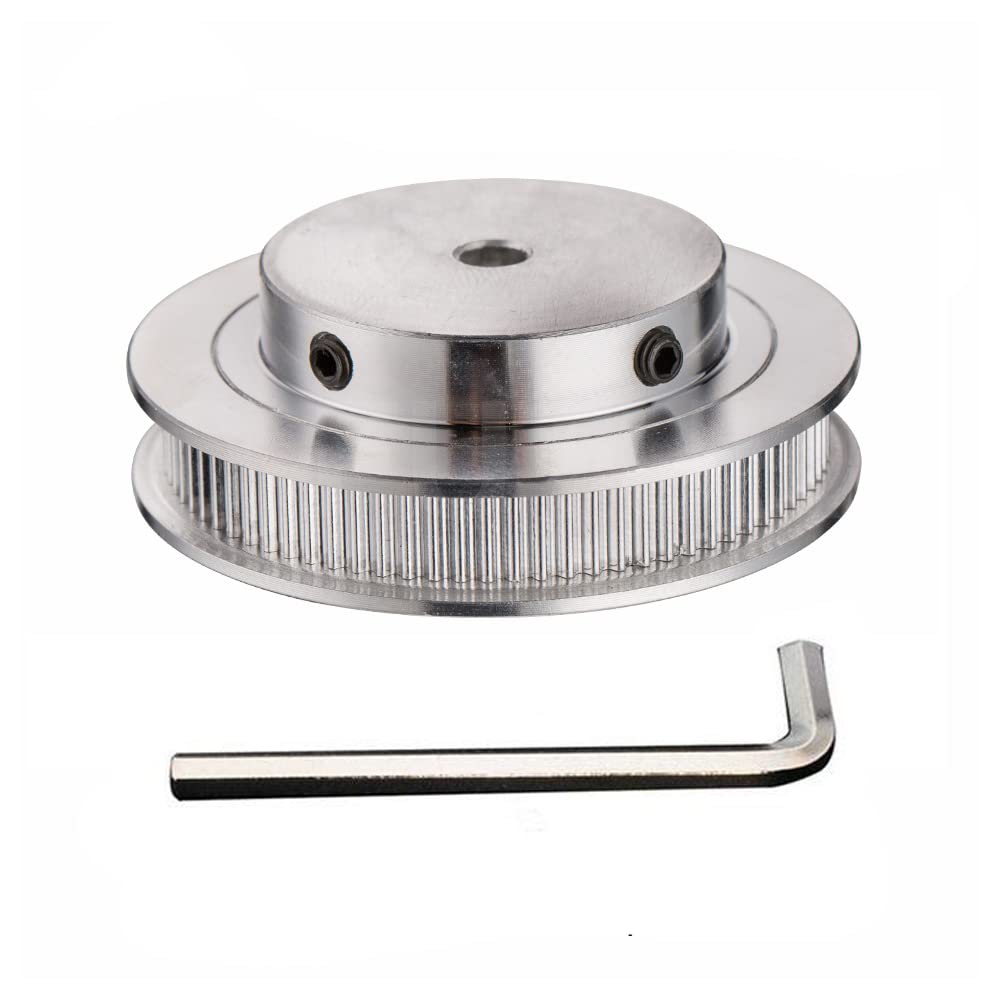
How do timing pulley systems ensure synchronized motion?
Timing pulley systems play a crucial role in ensuring synchronized motion in various mechanical systems. Here’s how timing pulley systems achieve synchronized motion:
1. Toothed Design:
Timing pulleys have teeth or grooves on their periphery that mesh with the teeth on the timing belt or chain. The toothed design creates positive engagement between the pulley and the belt or chain, preventing slippage and maintaining precise synchronization.
2. Timing Belts or Chains:
The timing pulley system works in conjunction with a timing belt or chain. The teeth on the belt or chain interlock with the teeth on the pulley, ensuring that the rotational motion is transferred accurately from the driving pulley to the driven pulley. The precise engagement of the teeth allows for synchronized motion between the pulleys.
3. Constant Pitch:
The teeth on the timing belt or chain and the corresponding teeth on the timing pulleys have a consistent pitch. The pitch refers to the distance between the teeth, and it remains constant throughout the length of the belt or chain. This constant pitch ensures that the teeth on the belt or chain engage with the pulley teeth at the same rate, maintaining synchronized motion.
4. Precise Manufacturing Tolerances:
Timing pulley systems are manufactured with tight tolerances to ensure accurate tooth profiles and consistent dimensions. The teeth on the pulleys and the teeth on the belt or chain are designed to match precisely, allowing for seamless interaction and precise synchronization. High manufacturing tolerances contribute to the reliability and efficiency of the system.
5. 張力制御:
Proper tension control is vital for achieving synchronized motion in a timing pulley system. The tension in the timing belt or chain needs to be adjusted correctly to ensure optimal engagement with the pulleys. Tensioners and idler pulleys are often used to maintain the appropriate tension, ensuring that the belt or chain remains securely engaged with the pulleys.
6. Suitable Pulley and Belt/Chain Selection:
Choosing the appropriate combination of timing pulleys and timing belts or chains is crucial for achieving synchronized motion. Factors such as pulley diameter, number of teeth, belt or chain pitch, and material selection need to be considered to match the specific requirements of the application. Proper selection ensures that the pulley system operates with accurate timing and synchronized motion.
7. Regular Maintenance and Inspection:
To ensure continued synchronized motion, regular maintenance and inspection of the timing pulley system are necessary. This includes checking for wear, proper tension, and alignment, and replacing any worn-out components. Routine maintenance helps identify and address potential issues that could affect the synchronized motion of the system.
By incorporating toothed design, timing belts or chains, constant pitch, precise manufacturing tolerances, tension control, suitable pulley and belt/chain selection, and regular maintenance, timing pulley systems ensure synchronized motion in mechanical systems. This synchronization is essential for accurate timing, coordination, and efficient operation of various applications.
タイミングプーリーを扱う際に留意すべき安全上の注意点は何ですか?
タイミングプーリーを扱う際には、事故や怪我を防ぐために安全に十分注意する必要があります。以下に、留意すべき重要な安全上の注意点をいくつか示します。
1. 適切なトレーニング:
タイミングプーリーを取り扱う作業員が、その安全な取り扱いと操作に関する適切な訓練を受けていることを確認してください。訓練では、正しい設置手順、メンテナンスガイドライン、タイミングプーリーシステムに関連するリスクの理解といったトピックを網羅する必要があります。
2. 個人用保護具(PPE):
タイミングプーリーを扱う際は、安全メガネ、手袋、その他必要な保護具など、適切な個人用保護具を着用してください。個人用保護具は、飛散物、鋭利なエッジ、可動部との偶発的な接触といった潜在的な危険から身を守るのに役立ちます。
3. ロックアウト/タグアウト手順:
タイミングプーリーを備えた機械の保守または修理作業を行う際は、定められたロックアウト/タグアウト手順に従ってください。ロックアウト/タグアウト手順とは、電源を遮断し、システムへの通電を停止し、予期せぬ起動や通電を防ぐためにロックまたはタグでシステムを固定する手順です。
4. 機械の安全対策:
タイミングプーリーには、偶発的な接触を防ぐため、適切なガードを取り付けてください。可動プーリーやベルトに指、衣服、その他の物体が接触しないよう、適切な機械ガード、バリア、または囲いを設置してください。
5.定期点検およびメンテナンス:
タイミングプーリーに摩耗、損傷、または位置ずれの兆候がないか定期的に点検してください。安全な動作を維持するため、摩耗または損傷した部品は速やかに交換してください。製造元の推奨するメンテナンススケジュールと手順に従ってください。
6. ゆったりとした衣服や装飾品は避ける:
タイミングプーリーや関連機械に巻き込まれる可能性のある、ゆったりとした衣服、装飾品、その他の物品の着用は避けてください。ゆったりとした衣服やアクセサリーは、巻き込まれや怪我の重大なリスクとなります。
7. 適切な持ち上げ方と取り扱い方:
タイミングプーリーや関連機器を取り扱う際は、適切な持ち上げ方法と機器を使用して、負担や怪我を防いでください。重いプーリーや大型のプーリーを取り扱う際は、必ず補助者を求めてください。
8.リスク評価:
機械設備および作業環境について徹底的なリスク評価を実施し、必要となる可能性のある追加の安全対策を特定してください。安全な作業環境を確保するため、騒音レベル、換気、人間工学などの要素を考慮してください。
9. 緊急停止およびシャットダウン:
タイミングプーリーを備えた機械には、アクセスしやすい緊急停止ボタンまたはスイッチが設置されていることを確認してください。これらの緊急停止装置の位置と操作方法を熟知し、緊急時に機械を迅速に停止する方法を理解しておいてください。
10.製造元のガイドラインに従ってください。
タイミングプーリーおよび関連機器に関する製造元のガイドライン、指示、および警告事項を遵守してください。製造元は、安全な操作、メンテナンス手順、および推奨される安全対策に関する貴重な情報を提供しています。
これらの安全上の留意事項に従うことで、個人はタイミングプーリーの取り扱いに伴うリスクを最小限に抑え、安全な作業環境を促進することができます。
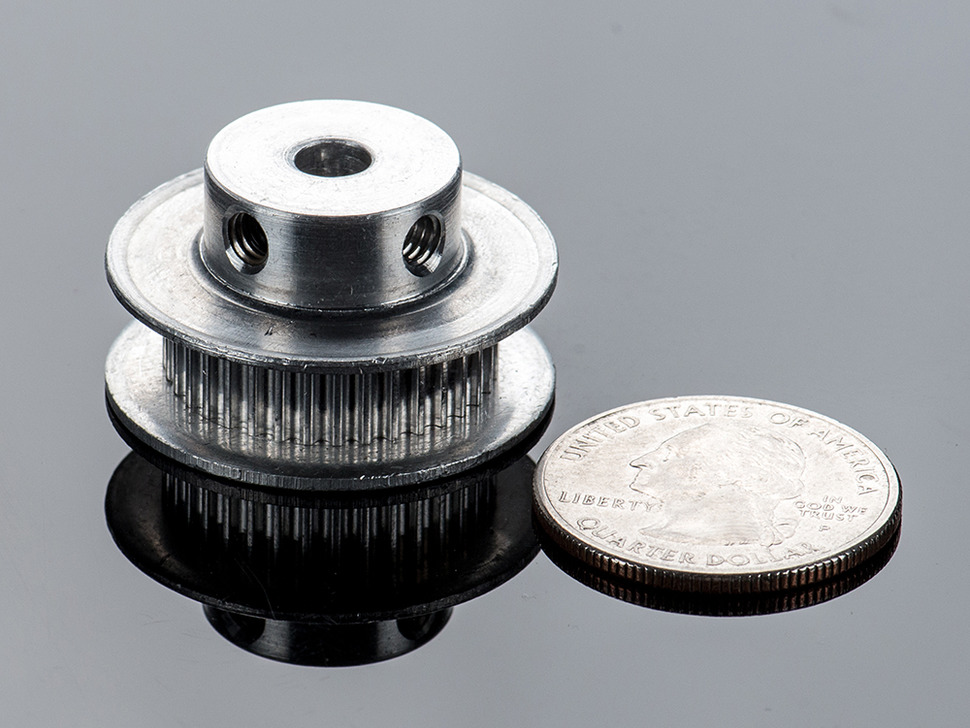
How are timing pulleys utilized in automotive engines?
Timing pulleys play a crucial role in automotive engines, contributing to the precise operation and synchronization of various engine components. Here’s how timing pulleys are utilized in automotive engines:
1. Camshaft Synchronization:
Timing pulleys are commonly employed to synchronize the rotation of the camshaft with the crankshaft in an internal combustion engine. The camshaft controls the opening and closing of the engine’s intake and exhaust valves, while the crankshaft converts the reciprocating motion of the pistons into rotational motion. The timing pulley on the camshaft is connected to the crankshaft via a timing belt or chain, ensuring precise timing and coordination between these two essential engine components.
2. Valve Timing:
Timing pulleys, in conjunction with the camshaft, determine the valve timing in an engine. The precise opening and closing of the intake and exhaust valves at specific moments during the engine’s four-stroke cycle (intake, compression, power, and exhaust) are critical for optimal engine performance. The timing pulleys ensure accurate valve timing, allowing for efficient fuel-air intake, combustion, and exhaust processes.
3. Belt or Chain Drive:
In automotive engines, timing pulleys are used in conjunction with a timing belt or timing chain to transmit power between the crankshaft and the camshaft. The timing belt or chain connects the timing pulleys on these two shafts, allowing for synchronized rotation. The teeth on the timing pulleys engage with the teeth on the timing belt or chain, creating a positive drive system that ensures accurate power transmission without slippage.
4. Tensioner and Idler Pulleys:
Timing pulleys are also utilized in the tensioning system of the timing belt or chain. Tensioner pulleys and idler pulleys, equipped with timing pulleys, help maintain proper tension and alignment of the timing belt or chain. These pulleys apply tension to the belt or chain, ensuring it remains securely in place and properly engaged with the timing pulleys on the crankshaft and camshaft.
5. Overhead Cam (OHC) and Dual Overhead Cam (DOHC) Engines:
Timing pulleys are particularly important in overhead cam (OHC) and dual overhead cam (DOHC) engines, where the camshaft(s) is located in the cylinder head above the valves. In these engine designs, timing pulleys help drive the camshaft(s) and synchronize their rotation with the crankshaft, ensuring precise valve operation and optimal engine performance.
6. Variable Valve Timing Mechanisms:
Timing pulleys are integral to variable valve timing (VVT) mechanisms used in modern automotive engines. VVT systems adjust the timing of the intake and exhaust valves to optimize engine performance, power, and fuel efficiency under different operating conditions. Timing pulleys, combined with hydraulic actuators or electronically controlled mechanisms, enable the adjustment of the camshaft position and timing, allowing for variable valve timing.
7. Engine Performance and Efficiency:
By accurately timing the valve operation and synchronization between the camshaft and crankshaft, timing pulleys contribute to overall engine performance and efficiency. Precise valve timing ensures efficient combustion, improved power delivery, reduced emissions, and better fuel economy. Proper operation of the timing pulleys is essential for the reliable and optimal functioning of automotive engines.
In summary, timing pulleys are essential components in automotive engines, facilitating the synchronization of the camshaft and crankshaft, determining valve timing, enabling power transmission through timing belts or chains, assisting in tensioning systems, and supporting variable valve timing mechanisms. Their precise operation ensures efficient engine performance, power delivery, and fuel economy in various types of automotive engines.


CXによる編集
2024-04-03