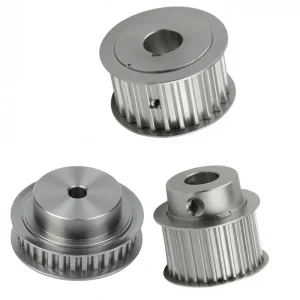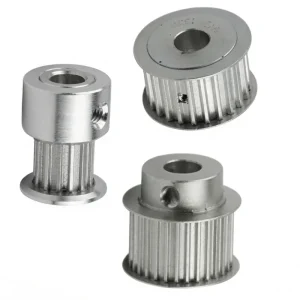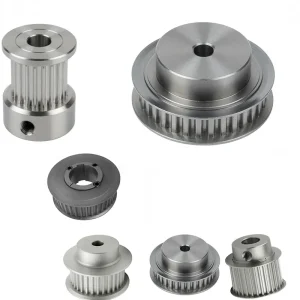
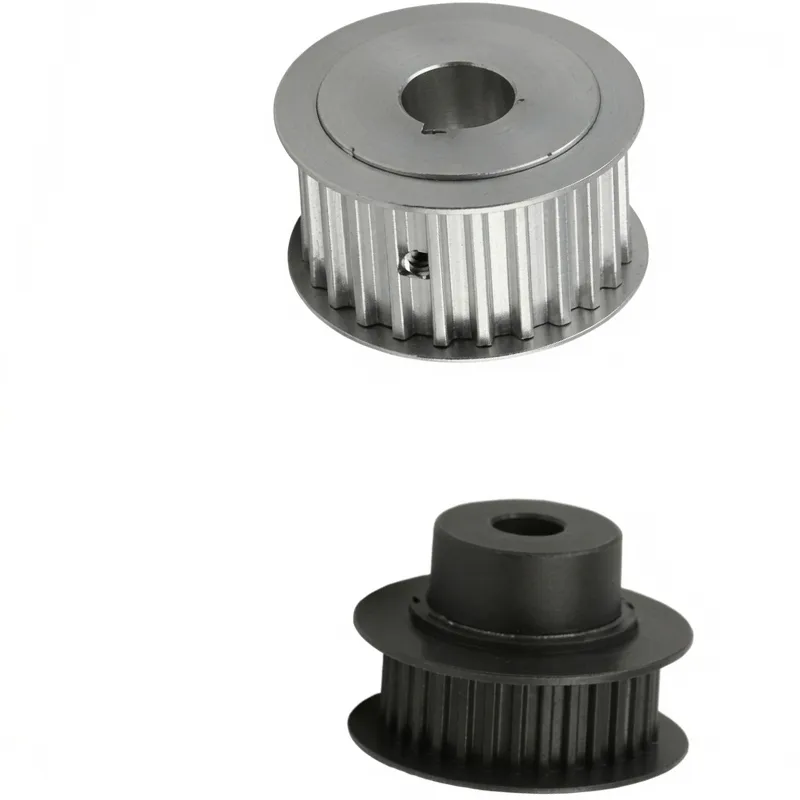
EP-L75 9.525மிமீ நேரான துளை கொண்ட டைமிங் புல்லி - எஃகு மற்றும் வார்ப்பிரும்பு
EP-L075 9.525மிமீ பிட்ச் டைமிங் புல்லி — 9.525மிமீ பிட்ச் கொண்ட எஃகு மற்றும் வார்ப்பிரும்பு புல்லி, நம்பகமான ஆற்றல் பரிமாற்றத்திற்காக வடிவமைக்கப்பட்டுள்ளது. 10 முதல் 120 வரையிலான பற்களின் எண்ணிக்கையில் கிடைக்கும் இந்தப் புல்லிகள், பல்வேறு சுமைத் தேவைகளுக்கு ஏற்ப நீடித்து உழைக்கும் எஃகு (வகைகள் 6F, 6WF, 6W) அல்லது வார்ப்பிரும்பிலிருந்து (வகை 6A) தயாரிக்கப்படுகின்றன.
முக்கிய அம்சங்களில், இந்தத் தொடர் முழுவதும் 25.4 மிமீ என்ற சீரான விளிம்பு அகலம் (F) அடங்கும். சிறிய மாடல்கள் (10-36 பற்கள்) 38 மிமீ நீளத்தைக் (L) கொண்டுள்ளன, அதே சமயம் பெரிய அளவுகள் (40+ பற்கள்) 45 மிமீ வரை நீட்டிக்கப்படுகின்றன. துளை விட்டங்கள் (Dm) 20 மிமீ முதல் 75 மிமீ வரை உள்ளன, இது பல்வேறு தண்டு அளவுகளுக்கு இடமளிக்கிறது. 29.56 மிமீ முதல் 363.07 மிமீ வரையிலான வெளி விட்டங்களுடன் (De), L075 தொடரானது தொழில்துறை இயந்திரங்கள் மற்றும் தானியங்கு அமைப்புகளுக்குத் துல்லியமான ஒத்திசைவை உறுதி செய்கிறது.
L சீரிஸ் சைனா டைமிங் பெல்ட் புல்லி
EP-L075 9.525மிமீ பிட்ச் நேரான துளை டைமிங் புல்லி — எஃகு மற்றும் வார்ப்பிரும்பு
பாகக் குறியீடுகள்: 10L075 – 120L075 | பற்கள்: 10 – 120 | பிட்ச்: 9.525 மிமீ (L தொடர்) | வகைகள்: 6F / 6WF / 6W / 6A | மூலப்பொருள்: எஃகு / வார்ப்பு இரும்பு
EP-L075 தொடரானது, 9.525 மிமீ என்ற நிலையான L தொடர் பிட்ச்சில் தயாரிக்கப்பட்ட நேரான துளை கொண்ட டைமிங் புல்லிகளின் ஒரு விரிவான தொகுப்பாகும். எஃகு (10 முதல் 48 பற்கள்) மற்றும் வார்ப்பிரும்பு (49 முதல் 120 பற்கள்) ஆகியவற்றில் கிடைக்கும் இந்த L075 தொடரானது, உலகளாவிய தொழில்துறை ஆட்டோமேஷன், கன்வேயர், அச்சிடுதல், மருத்துவம் மற்றும் பேக்கேஜிங் இயந்திரப் பயன்பாடுகளில் உள்ள துல்லியமான ஒத்திசைவு பெல்ட் டிரைவ் அமைப்புகளுக்குத் தேவைப்படும் 30.32 மிமீ முதல் 363.83 மிமீ வரையிலான பிட்ச் விட்டங்களை உள்ளடக்கியுள்ளது.
L சீரிஸ் 9.525மிமீ புதிய நேரான துளை டைமிங் புல்லி
L சீரிஸ் 9.525 மிமீ (3/8 அங்குலம்) பிட்சைப் பயன்படுத்துகிறது, இது வட அமெரிக்க மற்றும் சர்வதேச தொழில்துறை இயந்திரங்களில் பரவலாக ஏற்றுக்கொள்ளப்பட்ட ஒரு நடுத்தர-பணி பெல்ட் டிரைவ் தரநிலையாக அமைகிறது. நேரான துளை உள்ளமைவு என்பது, பரிமாண அட்டவணையில் காட்டப்பட்டுள்ள நிலையான பரிமாணத்தில், புல்லியானது முன்பே இயந்திரத்தால் செதுக்கப்பட்ட துளையுடன் அனுப்பப்படுகிறது என்பதாகும். இது வாங்குபவரால் குறிப்பிடப்பட்டபடி, ஒரு செட் ஸ்க்ரூ அல்லது கீவேயுடன் நேரடியாக ஷாஃப்டில் பொருத்துவதற்குத் தயாராக உள்ளது. L075 என்ற குறியீடு, 0.75 அங்குலம் (19.05 மிமீ) பெல்ட் அகல இணக்கத்தன்மையுடன் கூடிய L சீரிஸ் பெல்ட் ப்ரொஃபைலைக் குறிக்கிறது, இருப்பினும் பொருத்தமான பெல்ட் அகல பின்னொட்டைக் குறிப்பிடுவதன் மூலம் அகலமான பெல்ட் உள்ளமைவுகளும் கிடைக்கின்றன. இந்த வரம்பு, உலகளவில் பயன்படுத்தப்படும் நிலையான L சீரிஸ் டைமிங் பெல்ட்டுடன் பொருந்தும் வகையில் வடிவமைக்கப்பட்டுள்ளது, இதனால் இது L சீரிஸ் ஒத்திசைவு பெல்ட் டிரைவ்களைப் பயன்படுத்தும் தற்போதைய இயந்திரங்களுடன் நேரடியாகப் பரிமாற்றம் செய்யக்கூடியதாகிறது.
விரைவுக் குறிப்பு — L075 தொடர்
| தொடர் | L (9.525 மிமீ பிட்ச்) |
| பெல்ட் அகலக் குறியீடு | 075 (0.75 அங்குலம் / 19.05 மிமீ) |
| பற்களின் வரம்பு | 10 – 120 பற்கள் |
| பிட்ச் விட்டம் | 30.32 – 363.83 மிமீ |
| மையத்தின் நீளம் (L) | 38 மிமீ (10–60T) / 45 மிமீ (65–120T) |
| துளை (d) | 8 மிமீ (10–12T) / 11 மிமீ (13–48T) / 14 மிமீ (49–120T) |
| விளிம்பு அகலம் (F) | 25.4 மிமீ (அனைத்து அளவுகளிலும்) |
| பொருள் (எஃகு) | 10 – 48 பற்கள் (வகை 6F, 6WF) |
| பொருள் (வார்ப்பு இரும்பு) | 49 – 120 பற்கள் (வகை 6W, 6A) |
| தரநிலை | ANSI / MIL-T-23360 |
1. தொழில்நுட்ப அளவுருக்கள் — EP-L075 நேரான துளை கொண்ட டைமிங் புல்லி
பின்வரும் அட்டவணை EP-L075 தொடரில் உள்ள அனைத்து 42 பாக எண்களுக்குமான முழுமையான பரிமாண விவரக்குறிப்பைப் பட்டியலிடுகிறது. வேறுவிதமாகக் குறிப்பிடப்பட்டாலன்றி, பரிமாணங்கள் மில்லிமீட்டரில் (mm) கொடுக்கப்பட்டுள்ளன. Dp = பிட்ச் விட்டம்; De = வெளி விட்டம்; Df = ஃபிளேன்ஜ் வெளி விட்டம்; Dm = ஹப் விட்டம்; Di = வெப் உள் விட்டம் (பொருந்தும் இடங்களில்); F = ஃபிளேன்ஜ்-டு-ஃபிளேன்ஜ் முக அகலம்; L = ஹப் நீளம்; d = போர் விட்டம். வகைக் குறியீடுகள்: 6F = ஃபிளேன்ஜ் கொண்ட, திடமான ஹப்; 6WF = ஃபிளேன்ஜ் கொண்ட, வெப் செய்யப்பட்ட ஹப்; 6W = வார்ப்பிரும்புடன் கூடிய வெப் செய்யப்பட்ட ஹப்; 6A = கை அமைப்பு, வார்ப்பிரும்பு. Di அல்லது Df நெடுவரிசையில் உள்ள ஒரு கோடு (–) அந்தப் பரிமாணம் அந்த அமைப்பு வகைக்குப் பொருந்தாது என்பதைக் குறிக்கிறது.
| பகுதி குறியீடு | பற்கள் | வகை | பொருள் | டிபி (மிமீ) | டி (மிமீ) | Df (மிமீ) | டிஎம் (மிமீ) | டை (மிமீ) | F (மிமீ) | L (மிமீ) | d (மிமீ) | விளிம்பு எண். |
|---|---|---|---|---|---|---|---|---|---|---|---|---|
| எஃகு — விளிம்புடைய (6F) மற்றும் அகல விளிம்புடைய (6WF) வகைகள் | ||||||||||||
| 10 எல் 075 | 10 | 6F | எஃகு | 30.32 | 29.56 | 37 | 20 | – | 25.4 | 38 | 8 | 50 |
| 11 எல் 075 | 11 | 6F | எஃகு | 33.35 | 32.59 | 37 | 22 | – | 25.4 | 38 | 8 | 50 |
| 12 எல் 075 | 12 | 6F | எஃகு | 36.38 | 35.62 | 43 | 24 | – | 25.4 | 38 | 8 | 52 |
| 13 எல் 075 | 13 | 6F | எஃகு | 39.41 | 38.65 | 44 | 28 | – | 25.4 | 38 | 8 | 83 |
| 14 எல் 075 | 14 | 6F | எஃகு | 42.45 | 41.68 | 48 | 28 | – | 25.4 | 38 | 11 | 54 |
| 15 எல் 075 | 15 | 6F | எஃகு | 45.48 | 44.72 | 51 | 34 | – | 25.4 | 38 | 11 | 55 |
| 16 எல் 075 | 16 | 6F | எஃகு | 48.51 | 47.75 | 54 | 36 | – | 25.4 | 38 | 11 | 56 |
| 17 எல் 075 | 17 | 6F | எஃகு | 51.54 | 50.78 | 57 | 36 | – | 25.4 | 38 | 11 | 57 |
| 18 எல் 075 | 18 | 6F | எஃகு | 54.57 | 53.81 | 60 | 40 | – | 25.4 | 38 | 11 | 58 |
| 19 எல் 075 | 19 | 6F | எஃகு | 57.61 | 56.84 | 64 | 40 | – | 25.4 | 38 | 11 | 59 |
| 20 எல் 075 | 20 | 6F | எஃகு | 60.64 | 59.88 | 66.5 | 40 | – | 25.4 | 38 | 11 | 60 |
| 21 எல் 075 | 21 | 6F | எஃகு | 63.67 | 62.91 | 70 | 45 | – | 25.4 | 38 | 11 | 61 |
| 22 எல் 075 | 22 | 6F | எஃகு | 66.70 | 65.94 | 75 | 45 | – | 25.4 | 38 | 11 | 62 |
| 24 எல் 075 | 24 | 6F | எஃகு | 72.77 | 72.00 | 79 | 55 | – | 25.4 | 38 | 11 | 63 |
| 25 எல் 075 | 25 | 6F | எஃகு | 75.80 | 75.04 | 83 | 58 | – | 25.4 | 38 | 11 | 64 |
| 30 எல் 075 | 30 | 6F | எஃகு | 90.96 | 90.20 | 97 | 70 | – | 25.4 | 38 | 11 | 68 |
| 36 எல் 075 | 36 | 6F | எஃகு | 109.15 | 108.39 | 128 | 70 | – | 25.4 | 38 | 11 | 74 |
| 40 எல் 075 | 40 | 6WF | எஃகு | 121.28 | 120.51 | 128 | 70 | 100 | 25.4 | 38 | 11 | 78 |
| 48 எல் 075 | 48 | 6WF | எஃகு | 145.53 | 144.77 | 150 | 70 | 124 | 25.4 | 38 | 11 | 85 |
| வார்ப்பு இரும்பு — வலைப்பின்னல் (6W) மற்றும் கைப்பிடி (6A) வகைகள் | ||||||||||||
| 49 எல் 075 | 49 | 6W | வார்ப்பு இரும்பு | 148.56 | 147.80 | – | 70 | 127 | 25.4 | 38 | 14 | – |
| 60 எல் 075 | 60 | 6W | வார்ப்பு இரும்பு | 181.91 | 181.15 | – | 75 | 160 | 25.4 | 45 | 14 | – |
| 72 எல் 075 | 72 | 6A | வார்ப்பு இரும்பு | 218.30 | 217.53 | – | 75 | 197 | 25.4 | 45 | 14 | – |
| 84 எல் 075 | 84 | 6A | வார்ப்பு இரும்பு | 254.68 | 253.92 | – | 75 | 233 | 25.4 | 45 | 14 | – |
| 96 எல் 075 | 96 | 6A | வார்ப்பு இரும்பு | 291.06 | 290.30 | – | 75 | 269 | 25.4 | 45 | 14 | – |
| 120 எல் 075 | 120 | 6A | வார்ப்பு இரும்பு | 363.83 | 363.07 | – | 75 | 342 | 25.4 | 45 | 14 | – |
குறிப்பு: அட்டவணை ஒரு மாதிரித் தேர்வைக் காட்டுகிறது. முழு வீச்சில் 42 பாக எண்கள் (10T முதல் 120T வரை) அடங்கும். 23L, 26–29L, 32–35L, 41–42L, 44–47L, 50L, 52L, 56–57L, 65–66L, மற்றும் 90L அளவுகள் உள்ளிட்ட முழுமையான பட்டியலுக்கு எங்கள் தொழில்நுட்பக் குழுவைத் தொடர்பு கொள்ளவும். கோரிக்கையின் பேரில் தனிப்பயனாக்கப்பட்ட துளை விட்டங்கள் கிடைக்கும்.
2. எங்கள் L075 ஸ்ட்ரெயிட் போர் டைமிங் புல்லி பற்றி
EP-L075 என்பது ANSI L தொடர் தரநிலையின்படி தயாரிக்கப்பட்ட, துல்லியமாக இயந்திரத்தால் செதுக்கப்பட்ட ஒரு ஒத்திசைவு பெல்ட் டிரைவ் பாகமாகும். இந்தத் தரநிலையானது 9.525 மிமீ (3/8 அங்குலம்) வட்டப் பிட்ச், 40° பல் கோணம், மற்றும் ஒவ்வொரு பல் எண்ணிக்கைக்கும் குறிப்பிட்ட ஃபிளேன்ஜ் மற்றும் ஹப் வடிவவியலை வரையறுக்கிறது. L தொடரானது, தரமான அங்குல-பிட்ச் டைமிங் பெல்ட் புல்லி குடும்பத்தில் நடுத்தரப் பயன்பாட்டுப் பிரிவில் உள்ளது — இது குறைந்த பயன்பாட்டு அலுவலக ஆட்டோமேஷன் மற்றும் கருவியாக்கத்தில் பயன்படுத்தப்படும் XL தொடருக்கு (5.08 மிமீ பிட்ச்) மேலாகவும், அதிக கனமான தொழில்துறை டிரைவ்களுக்குப் பயன்படுத்தப்படும் H தொடருக்கு (12.7 மிமீ பிட்ச்) கீழாகவும் அமைந்துள்ளது. இந்த நிலைப்படுத்தலானது, வட அமெரிக்கா, ஐரோப்பா, தென்கிழக்கு ஆசியா மற்றும் உலகளாவிய ஏற்றுமதி சந்தைகளில் பயன்படுத்தப்படும் பேக்கேஜிங் இயந்திரங்கள், கன்வேயர் அமைப்புகள், அச்சு இயந்திரங்கள், CNC இயந்திரக் கருவி துணை டிரைவ்கள் மற்றும் பொதுவான தொழில்துறை ஆட்டோமேஷன் உபகரணங்களில் உள்ள நடுத்தர-முறுக்கு ஒத்திசைவு டிரைவ்களுக்கு, L தொடர் நேரான துளை டைமிங் புல்லியை மிகவும் பல்துறைத் தேர்வாக ஆக்குகிறது.
"நேர் துளை" என்ற பெயரானது, இந்தப் புல்லியை டேப்பர் லாக் துளை, QD புஷிங் துளை மற்றும் பிளவுபட்ட துளை வகைகளிலிருந்து வேறுபடுத்துகிறது. ஒரு நேர் துளை டைமிங் புல்லியில், ஒரு வட்ட வடிவ ஷாஃப்டை நேரடியாக ஏற்கும் ஒரு நிலையான விட்டத்திற்கு, ஹப்பின் வழியாக துளையானது ஒருமையமாக இயந்திரத்தால் செதுக்கப்படுகிறது. ஷாஃப்டில் இயந்திரத்தால் செதுக்கப்பட்ட ஒரு தட்டையான பகுதிக்கு எதிராக ஒரு செட் ஸ்க்ரூ மூலமாகவோ அல்லது ஒரு கீவே-மற்றும்-கீ அமைப்பு மூலமாகவோ ஷாஃப்ட் பாதுகாக்கப்படுகிறது. இந்த உள்ளமைவு, புல்லியைப் பொருத்துவதற்கான மிகவும் எளிமையான மற்றும் குறைந்த செலவிலான முறையாகும். இது, பொருத்தும்போதே ஷாஃப்டை அணுக முடியும், நேர் துளை மற்றும் ஷாஃப்டின் உற்பத்தி சகிப்புத்தன்மைகளால் ஒருமையத் தேவைகள் பூர்த்தி செய்யப்படுகின்றன, மற்றும் அடிக்கடி கழற்றுவது ஒரு வழக்கமான சேவைத் தேவையாக இல்லாத டிரைவ்களுக்குப் பொருத்தமானது. அடிக்கடி புல்லியை அகற்ற வேண்டிய டிரைவ்களுக்கு, அதே தயாரிப்பு வரம்பிலிருந்து L தொடரின் டேப்பர் லாக் துளை வகைகள் கிடைக்கின்றன. அவை சிறந்த ஒருமையத்தையும், ஷாஃப்டில் கீறல் ஏற்படாமல் விரைவாக அகற்றுவதையும் வழங்குகின்றன.
L075 என்ற பின்னொட்டு, பிட்ச் (L) மற்றும் பெல்ட்டின் அகலம் (075, அதாவது 0.75 அங்குலம் அல்லது தோராயமாக 19.05 மிமீ) ஆகிய இரண்டையும் குறிப்பிடுகிறது. பெல்ட்டின் அகலக் குறியீடு முக்கியமானது, ஏனெனில் L சீரிஸில் உள்ள டைமிங் புல்லிகள், குறிப்பிட்ட அகலமுள்ள பெல்ட்களைத் தாங்கும் வகையில் அளவிடப்பட்ட ஃபிளேன்ஜ்களைக் கொண்டுள்ளன. மேலும், ஃபிளேன்ஜ்-டு-ஃபிளேன்ஜ் பரிமாணம் (F பரிமாணம், முழு L075 வரம்பிலும் 25.4 மிமீ) ஆனது, தரமான 19.05 மிமீ அகலமுள்ள L சீரிஸ் டைமிங் பெல்ட்டுடன் பொருத்தமான பக்கவாட்டு இடைவெளியுடன் பொருந்தும்படி இயந்திரத்தால் செதுக்கப்பட்டுள்ளது. இந்த பொருத்தப்பட்ட விவரக்குறிப்பின்படி, ஒரு L075 நேர்த்துளை டைமிங் புல்லி, தரமான 0.75-அங்குல அகலமுள்ள L சீரிஸ் டைமிங் பெல்ட்டுடன் இணைக்கப்படும்போது, பெல்ட் முன்கூட்டியே தேய்மானம் அடைவதையோ அல்லது சத்தத்தையோ ஏற்படுத்தக்கூடிய விளிம்புத் தொடர்பு இல்லாமல், ஃபிளேன்ஜ்களுக்குள் பெல்ட் சரியாக இயங்கும்.
3. EP-L075 நேரான துளை டைமிங் புல்லியின் ஐந்து முக்கிய நன்மைகள்
1. உலகளாவிய பரிமாற்றத்தன்மைக்கான முழுமையான ANSI L தொடர் தரநிலை இணக்கம்
EP-L075 நேரான துளை கொண்ட டைமிங் புல்லி, ANSI L தொடர் பரிமாணத் தரநிலைகளுக்கு ஏற்ப தயாரிக்கப்படுகிறது. இது, இணக்கமான எந்தவொரு உலகளாவிய உற்பத்தியாளரின் L தொடர் டைமிங் பெல்ட் புல்லிகள் மற்றும் L தொடர் டைமிங் பெல்ட்களுடன் நேரடியாகப் பரிமாற்றம் செய்துகொள்ளும் வசதியை உறுதி செய்கிறது. இந்தத் தரநிலை இணக்கமே, மாற்றுச் சந்தை வாங்குபவர்களுக்கு மிக முக்கியமான ஒரு விவரக்குறிப்புப் பண்பாகும் — ஒரு உற்பத்தி இயந்திரத்தில் L தொடர் டைமிங் புல்லி பழுதடையும்போது, மாற்றப்படும் புல்லியானது ஏற்கனவே உள்ள ஷாஃப்ட்டில் பொருந்த வேண்டும், பொருத்தப்பட்ட டைமிங் பெல்ட்டுடன் சரியாகப் பிணைக்கப்பட வேண்டும், மற்றும் ஷிம்மிங் செய்யாமல் எதிர் புல்லியுடன் நேர்க்கோட்டில் அமைய வேண்டும். EP-L075-இன் ANSI-இணக்கமான துளைப் பரிமாணங்கள், பல் வடிவ வடிவியல், ஃபிளேன்ஜ் நிலை மற்றும் ஹப் நீளம் ஆகியவை இந்தத் தேவைகள் அனைத்தையும் பூர்த்தி செய்கின்றன. இதனால், இயந்திரத்தில் எந்த மாற்றமும் செய்யாமல், நேரடியாகப் பொருத்தி மாற்ற முடிகிறது.
2. பல்வகை இயக்க விகிதத் தேர்வுக்காக 10 முதல் 120 வரையிலான அகன்ற பற்களின் வரம்பு.
L075 தொடரானது, 10 பற்கள் (30.32 மிமீ பிட்ச் விட்டம்) முதல் 120 பற்கள் (363.83 மிமீ பிட்ச் விட்டம்) வரை ஒரே சீரான தயாரிப்புக் குடும்பத்தில் பரவியுள்ளது. இது ஒரே டைமிங் புல்லி பட்டியல் தொடரிலிருந்து கிடைக்கக்கூடிய இயக்க விகிதங்களின் மிகப்பெரிய தேர்வை வழங்குகிறது. 10-பல் முதல் 30-பல் வரையிலான இணைப்பு 3:1 குறைப்பு விகிதத்தை அளிக்கிறது; 10-பல் முதல் 48-பல் வரையிலான இணைப்பு 4.8:1 குறைப்பை அளிக்கிறது — இவை அனைத்தும் தனிப்பயன் இயந்திர வேலைப்பாடுகள் இன்றி, நிலையான L075 பாகங்களைக் கொண்டே அடையக்கூடியவை. ஒரே தொடரில் உள்ள இந்த பரந்த அளவிலான தேர்வு, பல பொருந்தாத புல்லி தொடர்களை நிர்வகிக்காமல், ஒரு தயாரிப்பு வரம்பில் வெவ்வேறு இயக்க விகிதங்களைக் குறிப்பிட வேண்டிய உலகளாவிய OEM இயந்திர உற்பத்தியாளர்களின் வடிவமைப்புப் பணியை கணிசமாக எளிதாக்குகிறது.
3. முறுக்குவிசை மற்றும் செலவு உகப்பாக்கத்திற்கான எஃகு மற்றும் வார்ப்பிரும்பு மூலப்பொருள் தேர்வுகள்
EP-L075 தொடரானது, குறைந்த பல் எண்ணிக்கைகளுக்கு (10T முதல் 48T வரை) எஃகையும், அதிக பல் எண்ணிக்கைகளுக்கு (49T முதல் 120T வரை) வார்ப்பிரும்பையும் உத்தியோகபூர்வமாகப் பயன்படுத்துகிறது. குறைந்த பல் எண்ணிக்கைகளுக்கு சிறிய விட்டம் தேவைப்படுவதால், பல்லின் வேர் மற்றும் துளைப் பகுதியில் எஃகின் அதிக வலிமை அவசியமாகிறது. அதிக பல் எண்ணிக்கைகளுக்கு பெரிய விட்டம் தேவைப்படுவதால், கட்டமைப்பு சமரசமின்றி வார்ப்பிரும்பின் எடை மற்றும் மூலப்பொருள் செலவு நன்மைகளை இது அனுமதிக்கிறது. இந்த மூலப்பொருள் பிரிப்பு, L தொடர் டைமிங் புல்லிகளுக்கான ஒரு நிலையான பொறியியல் நடைமுறையாகும், மேலும் இது ஒவ்வொரு அளவிலும் உள்ள நிஜ உலக வலிமைத் தேவைகளைப் பிரதிபலிக்கிறது. எஃகு வகைகள் 6F (விளிம்புகளுடன்) மற்றும் 6WF (அகலமான விளிம்புகளுடன்) வகைகளிலும், வார்ப்பிரும்பு வகைகள் 6W (வலைப்பகுதியுடன் மற்றும் தனி விளிம்பு இல்லாமல்) மற்றும் 6A (மிகப்பெரிய அளவுகளுக்கான முழு அகலக் கை அமைப்பு) வகைகளிலும் கிடைக்கின்றன.
4. குறைந்த இரைச்சல் மற்றும் துல்லியமான நிலைப்படுத்தலுக்காக நுட்பமாக வடிவமைக்கப்பட்ட பல் வடிவம்
ஒவ்வொரு EP-L075 நேரான துளை டைமிங் புல்லியின் பல் வடிவமும், ANSI L தொடர் தரநிலையால் குறிப்பிடப்பட்ட சரிவகப் பல் வடிவவியலுக்கு ஏற்ப இயந்திரத்தால் செதுக்கப்பட்டுள்ளது. செர்வோ-இயக்கப்படும் CNC பயன்பாடுகளில் நிலைநிறுத்தும் துல்லியத்தைப் பாதிக்கக்கூடிய பின்னடைவு இல்லாமல், டைமிங் பெல்ட் பல்லுடன் இணைவதற்காக, பல் இடைவெளி, ஆழம் மற்றும் கோணம் ஆகியவை கட்டுப்படுத்தப்படுகின்றன. பல்லின் பக்கவாட்டுகளிலும் துளையிலும் இயந்திரத்தால் செதுக்கப்பட்ட மேற்பரப்புப் பூச்சு, பெல்ட் அதிக வேகத்தில் சீராக இணைவதை உறுதிசெய்கிறது. இது குறைந்த இரைச்சல் அளவையும் மிகக்குறைந்த அதிர்வையும் உருவாக்குகிறது. இதுவே, கரடுமுரடான இயந்திரச் சகிப்புத்தன்மை கொண்ட மலிவான மாற்றுகளிலிருந்து ஒரு நன்கு தயாரிக்கப்பட்ட டைமிங் புல்லியை வேறுபடுத்திக் காட்டுகிறது. அச்சுப்பொறி மற்றும் மருத்துவ உபகரணங்கள் போன்ற, இரைச்சல் அளவு ஒரு செயல்திறன் விவரக்குறிப்பாக இருக்கும் பயன்பாடுகளுக்கு, EP-L075 தொடரின் பல் பூச்சின் தரம் ஒரு பொறியியல் அனுகூலமாகும்.
5. அனைத்து அளவுகளிலும் சீரான விளிம்பு அகலம்
L075 தொடரில் உள்ள அனைத்து 42 பாக எண்களிலும், பற்களின் எண்ணிக்கை அல்லது பொருளைப் பொருட்படுத்தாமல், F பரிமாணம் (விளிம்பு-முதல்-விளிம்பு அகலம்) 25.4 மிமீ ஆகப் பராமரிக்கப்படுகிறது. இந்த பரிமாண நிலைத்தன்மையின் காரணமாக, ஒரு OEM இயந்திர உற்பத்தியாளர் வெவ்வேறு ஷாஃப்ட் நிலைகளில் L075 புல்லிகளைப் பயன்படுத்தி ஒரு பெல்ட் டிரைவை வடிவமைக்கும்போது, அனைத்து புல்லிகளும் ஒரே அச்சு உறையைப் பகிர்ந்து கொள்கின்றன. இது இயந்திரச் சட்டக வடிவமைப்பை எளிதாக்குகிறது, பொதுவான பெல்ட் வழிகாட்டி மற்றும் டென்ஷனர் பாகங்களைப் பயன்படுத்த அனுமதிக்கிறது, மேலும் வெவ்வேறு விளிம்பு அகலங்களைக் கொண்ட புல்லிகள் ஒரே டிரைவில் கலக்கப்படும்போது ஏற்படும் ஷாஃப்ட் சீரமைப்புப் பிழைகளையும் நீக்குகிறது. பல நாடுகளில் உற்பத்தி செய்யப்பட்டுப் பராமரிக்கப்பட வேண்டிய உபகரணங்களை வடிவமைக்கும் உலகளாவிய இயந்திர உற்பத்தியாளர்களுக்கு, இந்த நிலைத்தன்மை பராமரிப்புக் கையேடுகளில் உள்ள உதிரி பாகங்களின் விவரக்குறிப்பையும் எளிதாக்குகிறது.
4. எல் சீரிஸ் நேரான துளை டைமிங் புல்லியின் செயல்படும் கொள்கை
L சீரிஸ் நேரான துளை டைமிங் புல்லி, ஒரு ஒத்திசைவு பெல்ட் டிரைவ் அமைப்பில் இயக்கும் அல்லது இயக்கப்படும் உறுப்பாகச் செயல்படுகிறது. பெல்ட் மற்றும் புல்லி பள்ளத்திற்கு இடையே உள்ள உராய்வின் மூலம் முறுக்குவிசையைக் கடத்தும் V-பெல்ட் டிரைவ்களைப் போலல்லாமல், ஒத்திசைவு பெல்ட் டிரைவ்கள், டைமிங் பெல்ட்டின் உட்புறத்தில் உள்ள சரிவகப் பற்களுக்கும், புல்லியின் சுற்றளவில் இயந்திரத்தால் செதுக்கப்பட்ட பொருத்தமான பல் இடைவெளிகளுக்கும் இடையே உள்ள பிணைப்பு இணைப்பைப் பயன்படுத்துகின்றன. இந்த நேர்மறையான பிணைப்பு இணைப்பு, பெல்ட் மற்றும் புல்லிக்கு இடையில் நழுவல் இல்லை என்பதைக் குறிக்கிறது — இயக்கும் புல்லியின் தண்டு சுழற்சிக் கோணம், இயக்கப்படும் புல்லியின் தண்டு சுழற்சிக்கு நேரடியாகவும் விகிதாசாரமாகவும் மாறுகிறது, மேலும் இந்த விகிதமானது இரண்டு புல்லிகளுக்கும் இடையிலான பல் எண்ணிக்கையின் விகிதத்தால் தீர்மானிக்கப்படுகிறது. இந்த நழுவலற்ற, ஒத்திசைவான பரிமாற்றமே, CNC அச்சு டிரைவ்கள், செர்வோ மோட்டார் இணைப்புகள், அச்சு இயந்திரங்களில் உள்ள கேம் ஷாஃப்ட் டிரைவ்கள் மற்றும் ஃபிலிம் போக்குவரத்து அமைப்புகள் போன்ற, துல்லியமான வேக விகிதப் பராமரிப்பு அல்லது நிலைத் துல்லியம் தேவைப்படும் பயன்பாடுகளுக்கு டைமிங் பெல்ட் புல்லிகள் குறிப்பிடப்படுவதற்கான அடிப்படைக் காரணமாகும்.
L075 நேரான துளை டைமிங் புல்லியில், 9.525 மிமீ பிட்ச் என்பது ஒவ்வொரு பல்லும் பெல்ட்டின் சுற்றளவில் 9.525 மிமீ இடத்தை எடுத்துக்கொள்கிறது என்பதாகும். மேலும், ஒரு N-பல் புல்லியின் ஒவ்வொரு முழுமையான சுழற்சியும் பெல்ட்டை N × 9.525 மிமீ அளவுக்கு முன்னோக்கி நகர்த்துகிறது. பல் பகுதியின் ஒவ்வொரு முகப்பிலும் இயந்திரத்தால் செதுக்கப்பட்ட விளிம்புகள், செயல்பாட்டின் போது டைமிங் பெல்ட் புல்லியின் முகப்பிலிருந்து அச்சு வழியே விலகிச் செல்வதைத் தடுக்கின்றன. கிடைமட்ட டிரைவ்கள் மற்றும் ஷாஃப்ட் முற்றிலும் கிடைமட்டமாக இல்லாத எந்தவொரு நிறுவலிலும் இது ஒரு முக்கியமான செயல்பாடாகும். ஏனெனில், விளிம்புத் தடை இல்லாமல், பெல்ட்டின் மீது ஒரு சிறிய அச்சு விசை ஏற்பட்டால் கூட அது படிப்படியாக இடம்பெயர்ந்துவிடும். L075 விளிம்புகள், ANSI தரநிலைக்கு இணக்கமான அளவில் பெல்ட்டின் விளிம்பிற்கு மேலே நீட்டிக்கப்படும் வகையில் அளவிடப்பட்டுள்ளன. இது, விளிம்பு பெல்ட்டின் முகப்பைத் தொடாமலும், உராய்வு வெப்பத்தை உருவாக்காமலும் பக்கவாட்டுப் பிடிப்பை வழங்குகிறது. ஹப் வழியாகச் செல்லும் நேரான துளை டிரைவ் ஷாஃப்ட்டை ஏற்றுக்கொள்கிறது. மேலும், ஷாஃப்ட்டின் தட்டையான பகுதி அல்லது கீவே மீது அழுத்தும் செட் ஸ்க்ரூ, ஷாஃப்ட்டிலிருந்து புல்லிக்கு முறுக்கு விசையைக் கடத்துகிறது. மிகக்குறைந்த பல் எண்ணிக்கையிலும் போதுமான சுவர் தடிமனை வழங்குவதற்காக, துளையின் பரிமாணம் கவனமாக அளவிடப்பட்டுள்ளது — இதனால்தான் பிட்ச் வட்டத்துடன் மையத்தின் விட்டம் வளரும்போது, 10T மற்றும் 12T புல்லிகளுக்குத் துளை 8 மிமீ ஆகவும், 13T முதல் 11 மிமீ ஆகவும், 49T முதல் 14 மிமீ ஆகவும் அதிகரிக்கிறது.
L சீரிஸில் உள்ள டைமிங் புல்லி மற்றும் பெல்ட் இணைப்பு, பொதுவாக 98%-க்கு மேற்பட்ட பரிமாற்றத் திறன்களை அடைகிறது; இது V-பெல்ட் டிரைவ்களில் பொதுவாகக் காணப்படும் 92–96% திறனை விட கணிசமாகச் சிறந்தது. இந்தத் திறன் நன்மை, இயந்திரத்தின் வாழ்நாள் முழுவதும் மோட்டாரின் ஆற்றல் நுகர்வைக் குறைப்பதில் நேரடியாகப் பிரதிபலிக்கிறது. இது, ஐரோப்பிய ஒன்றியத்தின் சுற்றுச்சூழல் வடிவமைப்பு ஒழுங்குமுறையின் கீழ் CE குறியீட்டுத் திறன் தேவைகளைப் பூர்த்தி செய்யும் வகையில் இயந்திரங்களை வடிவமைக்கும் உலகளாவிய OEM வாங்குபவர்களுக்கும், ஜெர்மனி, இத்தாலி மற்றும் ஜப்பான் போன்ற அதிக தொழில்துறை மின்சாரச் செலவுகள் உள்ள சந்தைகளில் உள்ள வாங்குபவர்களுக்கும், ஒரு முக்கியக் கருத்தாக மாறிவருகிறது. (அவ்வப்போது எண்ணெய் இட வேண்டிய செயின் டிரைவ்களைப் போலல்லாமல்) இந்த ஒத்திசைவு பெல்ட் டிரைவிற்கு மசகு எண்ணெய் இடத் தேவையில்லாதது, இயக்கச் செலவை மேலும் குறைக்கிறது. மேலும், உணவு பதப்படுத்துதல், மருந்துத் தயாரிப்பு மற்றும் தூய்மை அறைப் பயன்பாடுகளில் மசகு எண்ணெய் இடுவதால் ஏற்படும் மாசுபடும் அபாயத்தையும் இது நீக்குகிறது.

5. பொருட்கள் மற்றும் கட்டுமானத் தரம்
EP-L075 தொடருக்கான மூலப்பொருள் தேர்வு உத்தியானது, அந்த வரம்பில் உள்ள ஒவ்வொரு அளவுப் புள்ளியிலும் உள்ள பொறியியல் தேவைகளைப் பிரதிபலிக்கிறது. 10T முதல் 48T வரையிலான பற்களின் எண்ணிக்கைக்கு, சிறிய பிட்ச் விட்டங்களுக்கு (30.32 மிமீ முதல் 145.53 மிமீ வரை), துளைப் பகுதியில் போதுமான சுவர் தடிமனையும், பல்லின் வேர்ப்பகுதியில் சோர்வு வலிமையையும் வழங்குவதற்காக, ஹப் மற்றும் பல் பொருளாக எஃகு தேவைப்படுகிறது. பயன்படுத்தப்படும் எஃகு, பொதுவாக C45 அல்லது SAE 1045-க்கு இணையான நடுத்தர-கார்பன் எஃகு ஆகும். இது, துளை மற்றும் பல்லின் வடிவமைப்புத் துல்லியத்திற்கான இயந்திரத்திறன், பல்லின் தேய்மான எதிர்ப்பிற்கான மேற்பரப்புக் கடினத்தன்மை, மற்றும் தாக்க எதிர்ப்பிற்கான உள்ளக உறுதித்தன்மை ஆகியவற்றின் ஒரு நல்ல கலவையை வழங்குகிறது. துளை மற்றும் பல்லின் வடிவமைப்பு, ANSI தரநிலையால் தேவைப்படும் பரிமாண சகிப்புத்தன்மைகளுக்கு ஏற்ப, CNC திருப்புதல் மற்றும் ஹோப்பிங் கருவிகளில் துல்லியமாக இயந்திரத்தால் செதுக்கப்படுகின்றன.
49T முதல் 120T வரையிலான பற்களின் எண்ணிக்கைக்கு, பெரிய பிட்ச் விட்டங்கள் (148.56 மிமீ முதல் 363.83 மிமீ வரை) வார்ப்பிரும்பிற்கு மாறுகின்றன. இது உலகளாவிய தொழில்துறையில் பெரிய டைமிங் புல்லிகளுக்கான ஒரு தரமான பொருளாகும். வார்ப்பிரும்பு சிறந்த அதிர்வுத் தணிப்பை வழங்குகிறது — இது பெரிய விட்டங்களில் ஒரு முக்கியமான பண்பாகும், ஏனெனில் புல்லி வட்டின் கட்டமைப்பு ஒத்திசைவால் பல் இணைப்பு அதிர்வெண் அதிர்வு பெருக்கப்படக்கூடும் — மேலும், அதிக வார்ப்பு அளவுகளில் இது எஃகை விட கணிசமாக விலை குறைவானது. EP-L075 வார்ப்பிரும்பு வகைகளில் பயன்படுத்தப்படும் சாம்பல் நிற வார்ப்பிரும்பு, ASTM A48 வகுப்பு 30 அல்லது ISO 185 தரம் 200-க்கு இணையான தரநிலைகளுக்கு இணங்குகிறது, இது தோராயமாக 200 MPa குறைந்தபட்ச இழுவிசை வலிமையை வழங்குகிறது. இந்த அளவிலான வார்ப்பிரும்பு டைமிங் புல்லிகள், தொழில்துறை அச்சிடும் இயந்திரங்கள், பெரிய கன்வேயர் டிரைவ் ஹெட்கள் மற்றும் உற்பத்தி இயந்திரக் கருவிகளின் பிரதான ஸ்பிண்டில் டிரைவ்களில் பரவலாகப் பயன்படுத்தப்படுகின்றன. அங்கு அளவு, அதிர்வுத் தணிப்பு மற்றும் செலவுத் திறன் ஆகியவற்றின் கலவையானது இந்தப் பொருளை உகந்த தேர்வாக ஆக்குகிறது. எஃகு மற்றும் வார்ப்பிரும்பு ஆகிய இரண்டு வகைகளிலும், சேமிப்பு மற்றும் போக்குவரத்தின் போது மேற்பரப்பு துருப்பிடிப்பதைத் தடுப்பதற்காக, வெளிப்புறப் பயன்பாடற்ற பரப்புகளில் கருப்பு ஆக்சைடு அல்லது எனாமல் பாதுகாப்புப் பூச்சு பூசப்படுகிறது.
L தொடருக்கான 40° உள்ளடங்கிய கோண சரிவகத் தரத்திற்கு ஏற்ப பல்லின் வடிவவியல் செதுக்கப்பட்டுள்ளது. இதன் குறிப்பிட்ட கூடுதல் பகுதி, கீழ் பகுதி மற்றும் அடி ஆரம் மதிப்புகள் ANSI MIL-T-23360 (டைமிங் பெல்ட் புல்லிகளுக்கான ஆளும் தரநிலை) இல் குறிப்பிடப்பட்டுள்ளன. புல்லி பல்லில் உள்ள பிட்ச் கோடு, அதனுடன் இணையும் டைமிங் பெல்ட்டின் பிட்ச் கோட்டுடன் ஒத்துப்போகிறது. மேலும், அட்டவணையில் உள்ள வெளி விட்டம் (De) மற்றும் பிட்ச் விட்டம் (Dp) ஆகியவற்றுக்கு இடையேயான வேறுபாடு — முழு வரம்பிலும் சீராக சுமார் 0.76 மி.மீ — புல்லி பல்லைப் பொறுத்து பெல்ட்டின் பிட்ச் கோட்டைச் சரியாக நிலைநிறுத்தும் இந்தத் தரமான பிட்ச் கோடு திருத்தத்தைப் பிரதிபலிக்கிறது.
6. ஒழுங்குமுறை மற்றும் தரநிலைகள் இணக்கம்: உலகளாவிய சந்தை
EP-L075 நேரான துளை டைமிங் புல்லி தொடரானது, உலகளாவிய தொழில்துறை இயந்திரக் கொள்முதல் மற்றும் ஒழுங்குமுறை கட்டமைப்புகளின் தொழில்நுட்பத் தேவைகளைப் பூர்த்தி செய்யும் வகையில் வடிவமைக்கப்பட்டுள்ளது. L தொடர் டைமிங் புல்லிகளுக்கான பொருந்தக்கூடிய பரிமாணத் தரநிலைகள் ANSI MIL-T-23360 (அமெரிக்கா) ஆகும், இது அனைத்து நிலையான அங்குல-பிட்ச் டைமிங் பெல்ட் புல்லிகளுக்கான பல் வடிவம், பிட்ச் மற்றும் பரிமாண சகிப்புத்தன்மைகளை வரையறுக்கிறது, மற்றும் பொதுவாக டைமிங் பெல்ட் புல்லிகளுக்கான ISO 5294 ஆகும். L தொடர் டைமிங் புல்லிகளை உள்ளடக்கிய ஐரோப்பிய இயந்திரங்கள் EU இயந்திரங்கள் வழிகாட்டுதல் 2006/42/EC (மற்றும் அதன் வாரிசான, EU இயந்திரங்கள் ஒழுங்குமுறை 2023/1230, இது ஜனவரி 2027 முதல் கட்டாயமாகும்) உடன் இணங்க வேண்டும், இது மதிப்பிடப்பட்ட இயந்திர சுமைகளுக்கு ஏற்ப சக்தி பரிமாற்றக் கூறுகள் சரியாகக் குறிப்பிடப்பட வேண்டும் என்றும், இயந்திரத்தின் தொழில்நுட்பக் கோப்பில் ஆவணப்படுத்தப்பட வேண்டும் என்றும் கோருகிறது. CE குறியீட்டு இணக்கத்திற்காக, புல்லியின் பொருள், பல் வடிவத் தரநிலை மற்றும் அதிகபட்ச ஷாஃப்ட் முறுக்குத் திறன் ஆகியவை இயந்திரத்தின் தொழில்நுட்பக் கோப்பில் குறிப்பிடப்பட வேண்டும். EP-L075 தொடரானது, மேலே வழங்கப்பட்டுள்ள பரிமாணத் தரவு அட்டவணை மற்றும் கோரிக்கையின் பேரில் வழங்கப்படும் மூலப்பொருள் இணக்கச் சான்றிதழ்கள் மூலம் இந்த ஆவணத் தேவையை ஆதரிக்கிறது.
அமெரிக்காவில், டைமிங் பெல்ட் புல்லிகளைக் கொண்ட தொழில்துறை இயந்திரங்கள், இயந்திர சக்தி பரிமாற்ற சாதனங்களுக்கான OSHA 29 CFR 1910.219 தரநிலைக்கு உட்பட்டவை. இது, புல்லிகள் மற்றும் பெல்ட்கள் உள்ளிட்ட சுழலும் பாகங்கள் தற்செயலான தொடர்புகளிலிருந்து போதுமான அளவு பாதுகாக்கப்பட வேண்டும் என்று கோருகிறது. ANSI B11 இயந்திரப் பாதுகாப்புத் தரநிலைகள், குறிப்பிட்ட இயந்திரக் கருவி வகைகளுக்கு இதே போன்ற தேவைகளைக் குறிப்பிடுகின்றன. இந்தப் புல்லி, தனிப்பட்ட சான்றிதழ் தேவைப்படும் ஒரு ஒழுங்குபடுத்தப்பட்ட தயாரிப்பு அல்ல, ஆனால் ஒரு இயந்திரத்தில் அதன் சரியான விவரக்குறிப்பு மற்றும் நிறுவல் ஆகியவை இயந்திர உற்பத்தியாளரின் பாதுகாப்புப் பொறியியல் கடமையின் ஒரு பகுதியாகும். ஜப்பானில், தொழில்துறை இயந்திரங்களில் உள்ள சக்தி பரிமாற்றப் பாகங்களுக்கான தொடர்புடைய தரநிலை JIS B 1856 (டைமிங் புல்லிகள்) ஆகும். இது, அதே பிட்ச்சுக்கு ANSI L தொடருக்கு இணையான பரிமாணத் தரநிலைகளைக் குறிப்பிடுகிறது. ஜப்பானிய தொழில்துறை உபகரண வாங்குபவர்கள், EP-L075 தொடர் நேர் துளை டைமிங் புல்லிகளை, அவற்றின் பரிமாண விவரக்குறிப்புகள் ஜப்பானிய சந்தையில் கிடைக்கும் JIS B 1856-இணக்கமான டைமிங் பெல்ட்களுடன் இணக்கமாக இருக்கும் என்ற நம்பிக்கையுடன் பெறலாம்.
7. பயன்பாட்டுச் சூழ்நிலைகள்
L சீரிஸ் நேரான துளை டைமிங் புல்லி என்பது உலகளாவிய தொழில்துறை இயந்திரங்களில் மிகவும் பரவலாகப் பயன்படுத்தப்படும் சக்தி பரிமாற்றக் கூறுகளில் ஒன்றாகும். 9.525 மிமீ பிட்ச், நடுத்தர-பணி சுமை தாங்கும் திறன் மற்றும் பரந்த அளவிலான பற்களின் எண்ணிக்கை ஆகியவற்றின் கலவையானது, பல தொழில்துறைத் துறைகளில் உள்ள பல்வேறு வகையான பயன்பாடுகளுக்கு EP-L075-ஐ ஒரு தரமான விவரக்குறிப்பாக ஆக்குகிறது.
பேக்கேஜிங் இயந்திரங்கள் மற்றும் நிரப்புதல் வரிசை இயக்கிகள்
பேக்கேஜிங் இயந்திரங்கள் — ஃபார்ம்-ஃபில்-சீல் இயந்திரங்கள், கார்ட்டனர்கள், கேஸ் எரக்டர்கள் மற்றும் லேபிளிடுபவர்கள் — தங்களின் பிரதான தயாரிப்புப் போக்குவரத்து கன்வேயர் டிரைவ்கள், ஃபிலிம் அட்வான்ஸ் மெக்கானிசங்கள் மற்றும் ரெஜிஸ்ட்ரேஷன் கட்டுப்பாட்டு டிரைவ்களுக்காக L சீரிஸ் டைமிங் புல்லிகளை விரிவாகப் பயன்படுத்துகின்றன. டைமிங் பெல்ட் புல்லியின் ஒத்திசைவான, நழுவாத பரிமாற்றமானது, ஒரு சுழற்சிக்கான ஃபிலிம் அட்வான்ஸ் தூரம் துல்லியமாகக் கட்டுப்படுத்தப்படுவதை உறுதி செய்கிறது, இது நெகிழ்வான பேக்கேஜிங் ஃபிலிமில் சரியான அச்சு ரெஜிஸ்ட்ரேஷனுக்கு மிகவும் முக்கியமானதாகும். EP-L075 வரம்பானது, சர்வோ மோட்டார் அவுட்புட் ஷாஃப்டுகளில் பயன்படுத்தப்படும் சிறிய டிரைவ் புல்லிகளையும் (10T முதல் 20T வரை) மற்றும் உலகளாவிய பேக்கேஜிங் இயந்திர அமைப்புகளில் பொதுவாகக் காணப்படும் ஃபிலிம் அட்வான்ஸ் ரோலர்கள் மற்றும் தயாரிப்புப் போக்குவரத்து பெல்ட்களில் உள்ள பெரிய டிரைவன் புல்லிகளையும் (25T முதல் 60T வரை) உள்ளடக்கியுள்ளது.
CNC இயந்திரக் கருவி அச்சு மற்றும் சுழல் இயக்கிகள்
CNC எந்திர மையங்கள், திருப்பு மையங்கள் மற்றும் லேசர் வெட்டும் இயந்திரங்கள், சர்வோ மோட்டார் மற்றும் பால் ஸ்க்ரூவிற்கு இடையேயான அச்சு இயக்க இணைப்பிற்காகவும், துணை சுழல் வேக வரம்பு மாறுதலுக்காகவும் L தொடர் டைமிங் பெல்ட் புல்லிகளைப் பயன்படுத்துகின்றன. CNC அச்சின் நிலைத் துல்லியம், டைமிங் புல்லி மற்றும் பெல்ட் அமைப்பின் பூஜ்ஜிய-சறுக்கல் பரிமாற்றத்தைச் சார்ந்துள்ளது — இயக்கத்தில் ஏற்படும் எந்தவொரு சறுக்கலும், என்கோடரால் கண்டறிய முடியாத ஒரு நிலைப்படுத்தல் பிழையை ஏற்படுத்தும். EP-L075 வரம்பின் சிறிய மற்றும் நடுத்தர அளவுகள் (பொதுவாக 16T முதல் 30T வரை) உலகளவில் இந்தப் பயன்பாடுகளில் நிலையான விவரக்குறிப்புகளாகும், மேலும் அதன் நேரான துளை அமைப்பு, சிறப்பு கருவிகள் தேவைப்படாமல், CNC இயந்திர பராமரிப்பு சேவையின் போது களத்திலேயே விரைவாக மாற்றுவதற்கு அனுமதிக்கிறது.
மருத்துவ மற்றும் ஆய்வக உபகரண இயக்கிகள்
மருத்துவ நோயறிதல் உபகரணங்கள், ஆய்வகத் தானியங்கு அமைப்புகள் மற்றும் துல்லியமான பிம்பமாக்கல் இயந்திரங்கள் ஆகியவை மாதிரிகளை நிலைநிறுத்துவதற்கும், சுழல்வட்டத்தை சுழற்றுவதற்கும், மற்றும் நேர்கோட்டு அச்சு இயக்கத்திற்கும் டைமிங் பெல்ட் புல்லிகளைப் பயன்படுத்துகின்றன. குறிப்பிட்ட கால இடைவெளியில் எண்ணெய் இட வேண்டிய கியர் அல்லது சங்கிலி இயக்கிகளைப் போலல்லாமல், டைமிங் பெல்ட் புல்லி அமைப்புக்கு மசகு எண்ணெய் தேவையில்லாத பராமரிப்புத் தேவை உள்ளது. உயிரியல் மாதிரிகளில் மசகு எண்ணெய் மாசுபடுதல் ஒரு முக்கிய அபாயமாக இருக்கும் தூய்மை அறைகள் மற்றும் கிருமியற்ற மருத்துவச் சூழல்களில் இது மிகவும் முக்கியத்துவம் பெறுகிறது. EP-L075 சிறிய பற்களைக் கொண்ட எஃகு வகைகள் (10T முதல் 24T வரை) பெரும்பாலான மருத்துவ மற்றும் ஆய்வகத் தானியங்கு இயக்கிகளின் அளவுகளை உள்ளடக்கியுள்ளன. மேலும், இந்தப் புல்லிகளின் துல்லியமான துளை மற்றும் பல் செதுக்கும் தரம், உலகளாவிய தானியங்கு நோயறிதல் உபகரணங்களின் துல்லியத் தேவைகளுக்கு இணையாக உள்ளது.
கன்வேயர் மற்றும் பொருள் கையாளும் அமைப்பு இயக்கிகள்
தொழில்துறை கன்வேயர் அமைப்புகளான பெல்ட் கன்வேயர்கள், ஸ்லாட் கன்வேயர்கள் மற்றும் அக்குமுலேஷன் கன்வேயர்கள் போன்றவற்றில், கன்வேயர் பிரிவுகளுக்கு இடையே துல்லியமான வேக ஒத்திசைவு தேவைப்படும் இடங்களில், டிரைவ் ஹெட் ரோலர் மற்றும் தயாரிப்பு நிலைப்படுத்தல் கட்டுப்பாட்டு மண்டலங்களுக்காக L சீரிஸ் நேரான துளை கொண்ட டைமிங் புல்லிகள் பயன்படுத்தப்படுகின்றன. EP-L075 வார்ப்பிரும்பு வகைகள் (49T முதல் 120T வரை), பெரிய கன்வேயர் ஹெட் டிரைவ் பயன்பாடுகளுக்கு மிகவும் பொருத்தமானவை. ஏனெனில், வார்ப்பிரும்பு புல்லியின் அதிக நிலைமத் திருப்புத்திறன், டிரைவ் டார்க்கை ஃபிளைவீல் மூலம் நன்மை பயக்கும் வகையில் சீராக்குகிறது. உலகளாவிய தளவாடங்கள் மற்றும் கிடங்கு தானியக்கத் திட்டங்கள், இந்த கன்வேயர் டிரைவ் பயன்பாடுகளுக்காக, தங்களின் நிலையான இயந்திர விவரக்குறிப்புத் தொகுப்பின் ஒரு பகுதியாக, L சீரிஸ் டைமிங் பெல்ட் புல்லிகளைத் தவறாமல் குறிப்பிடுகின்றன.
அச்சிடுதல் மற்றும் வரைகலை இயந்திரங்கள்
ஆஃப்செட் அச்சு இயந்திரங்கள், டிஜிட்டல் அச்சிடும் அமைப்புகள் மற்றும் கட்டிங் ப்ளாட்டர்கள் ஆகியவற்றில், காகிதம் மற்றும் தாள் நகர்த்தும் அமைப்புகளுக்கு L சீரிஸ் டைமிங் புல்லிகள் பயன்படுத்தப்படுகின்றன; இவற்றில், பதிவின் துல்லியமே அச்சுத் தரத்தைத் தீர்மானிக்கிறது. வெப்-ஃபீட் அச்சிடும் இயந்திரங்களில், பிரதான இம்ப்ரெஷன் சிலிண்டரிலிருந்து தாள் நகர்த்தும் ரோலர்கள் வழியாக விநியோகப் பகுதிக்குச் செல்லும் ஒத்திசைவான இயக்கி, அச்சிடப்பட்ட பிம்பம் நீள்வதையோ அல்லது சுருங்குவதையோ தடுக்க, துல்லியமான வேக விகிதத்தைப் பராமரிக்க வேண்டும். EP-L075 சீரிஸ், இந்த இயந்திரங்களுக்குத் தேவைப்படும் பரந்த அளவிலான புல்லி அளவுகளை உள்ளடக்கியுள்ளது. மேலும், அனைத்து அளவுகளிலும் உள்ள சீரான ஃபிளேன்ஜ் வடிவியல், பெல்ட் கைடு வடிவமைப்பை எளிதாக்குகிறது. இது, தவறான நகர்வினால் பெல்ட்டின் விளிம்புத் தேய்மானம் ஒரு பொதுவான சேவைப் பிரச்சனையாக இருக்கும், காகிதத் தூசி கலந்த அச்சிடும் சூழல்களில், டைமிங் பெல்ட்டைச் சரியாக நகர்த்த உதவுகிறது.
8. எங்களைப் பற்றி - டைமிங் புல்லி உற்பத்தியாளர்
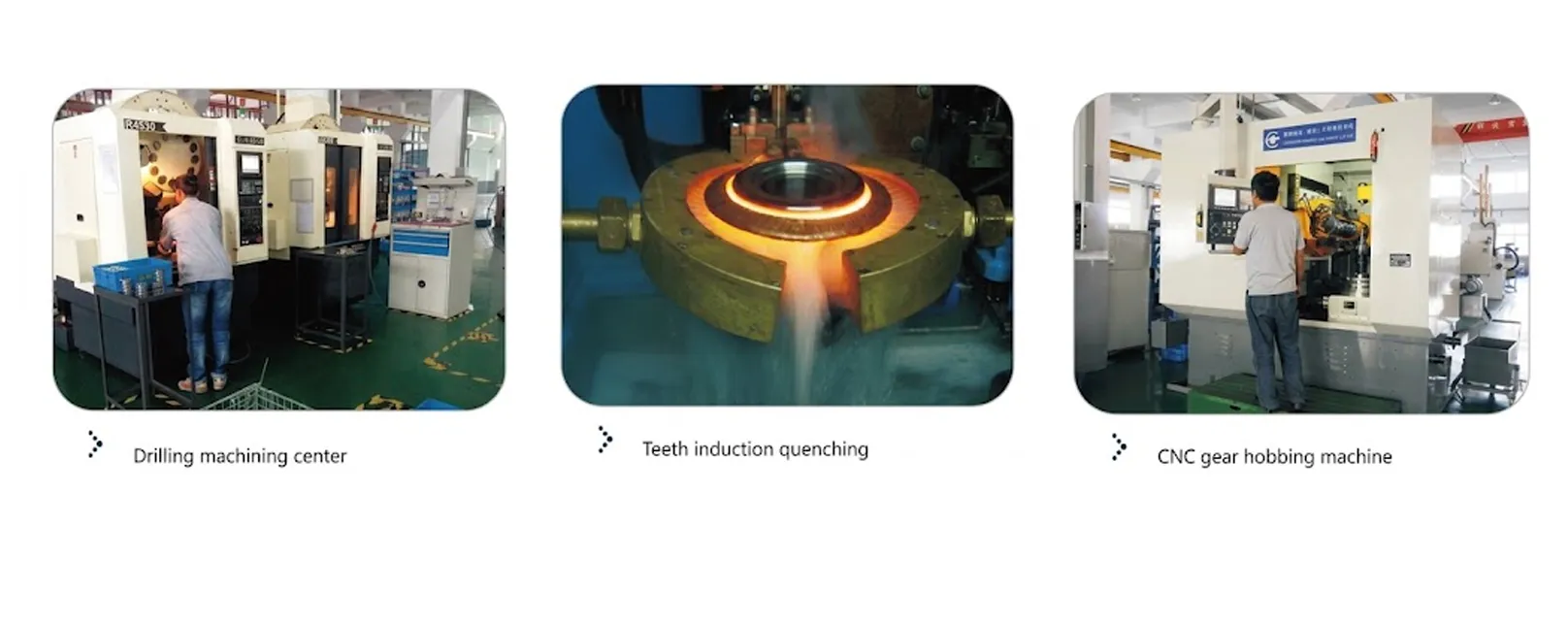
எங்களின் சீன டைமிங் புல்லி உற்பத்தி குழுமம், அனைத்து முக்கிய ஒத்திசைவு பெல்ட் பிட்ச் வகைகளிலும் (MXL, XL, L, H, XH, XXH (அங்குலத் தொடர்), T2.5, T5, T10, AT5, AT10, AT20 (மெட்ரிக் தொடர்), HTD (3M, 5M, 8M, 14M), மற்றும் GT2/GT3 புரொஃபைல்கள்) பரந்த அளவிலான தரமான மற்றும் தனிப்பயனாக்கப்பட்ட டைமிங் பெல்ட் புல்லிகளை உற்பத்தி செய்கிறது. ஒரு தொழில்முறை டைமிங் புல்லி உற்பத்தியாளராக, எங்களின் உற்பத்தி ஆலைகள், ISO 9001:2015 தர மேலாண்மை சான்றிதழின் கீழ் இயங்கும் CNC கியர் ஹோப்பிங் இயந்திரங்கள், துல்லியமான CNC டர்னிங் சென்டர்கள் மற்றும் CMM பரிமாண ஆய்வு உபகரணங்களுடன் அமைக்கப்பட்டுள்ளன. நாங்கள் ஐரோப்பா, வட அமெரிக்கா, தென்கிழக்கு ஆசியா, மத்திய கிழக்கு மற்றும் தென் அமெரிக்கா முழுவதும் உள்ள உலகளாவிய OEM இயந்திர உற்பத்தியாளர்கள், தொழில்துறை விநியோகஸ்தர்கள் மற்றும் சந்தைக்குப் பிந்தைய மாற்று உதிரிபாக வாங்குபவர்களுக்கு பொருட்களை வழங்குகிறோம். அனைத்து தரமான தயாரிப்புகளுக்கும் பரிமாண வரைபடங்கள், மூலப்பொருள் சான்றிதழ்கள் மற்றும் ANSI/ISO இணக்கத் தரவுகள் உள்ளிட்ட தொழில்நுட்ப ஆவணங்கள் கிடைக்கின்றன. வழக்கத்திற்கு மாறான துளை அளவுகள், கீவேக்கள், ஸ்பிகட் ஃபிளேன்ஜ்கள் அல்லது சிறப்புப் பொருட்களைக் கொண்ட தனிப்பயன் டைமிங் புல்லிகள், ஆர்டர் செய்யும்போதே உறுதிசெய்யப்பட்ட காலக்கெடுவுடன், வரைபடத்தின்படி தயாரிக்கப்படுகின்றன. தயாரிப்புத் தேர்வு வழிகாட்டுதல், OEM தனிப்பயனாக்க விசாரணைகள் அல்லது அதிக விற்பனையாகும் சந்தைப் பயன்பாடுகளுக்கான மொத்த விலை நிர்ணயம் ஆகியவற்றிற்கு எங்கள் தொழில்நுட்பக் குழுவைத் தொடர்பு கொள்ளவும்.
பட்டறை


9. தொடர்புடைய தயாரிப்புகள் — முழுமையான ஒத்திசைவு இயக்க அமைப்பு
EP-L075 என்பது ஒரு முழுமையான L தொடர் ஒத்திசைவு பெல்ட் டிரைவ் அமைப்பின் முக்கிய அங்கமாகும். இந்த புல்லி தொடருடன் ஒருங்கிணைக்கக்கூடிய இணக்கமான பாகங்களை நாங்கள் வழங்குகிறோம், இது உலகளாவிய OEM வாங்குபவர்களையும் விநியோகஸ்தர்களையும் தொழில்நுட்ப ரீதியாக சீரான ஒரே சப்ளையரிடமிருந்து முழுமையான டிரைவ் அசெம்பிளிகளைப் பெற உதவுகிறது.
மெட்ரிக் சுருதி தரநிலை பற்கள் கொண்ட பட்டைகள்
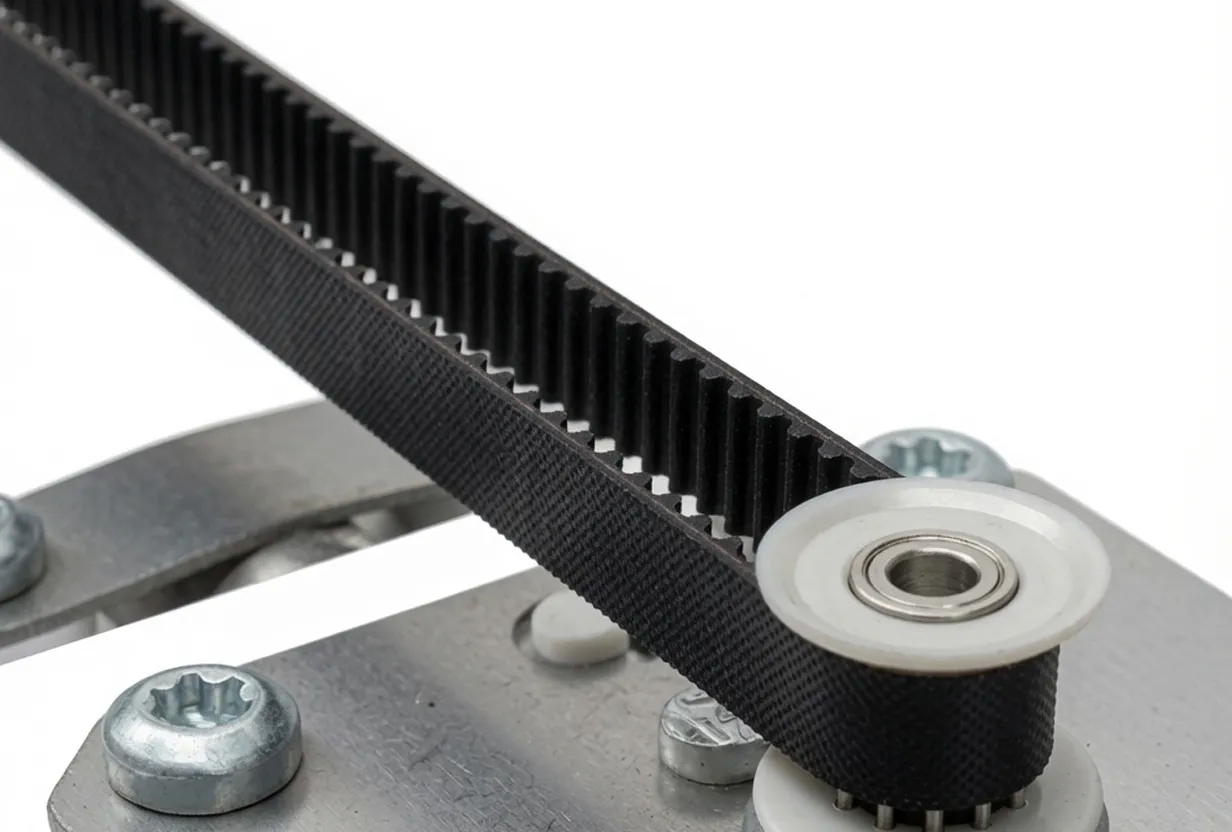
மெட்ரிக் பிட்ச் பற்சக்கரங்கள் (டைமிங் பெல்ட் ரேக்கிற்கு இணையானவை) நேரியல் ஒத்திசைவு இயக்கப் பயன்பாடுகளில் பயன்படுத்தப்படுகின்றன. இவற்றில், ஒரு டைமிங் பெல்ட் புல்லி, சுழற்சி இயக்கத்திற்குப் பதிலாக நேரியல் இயக்கத்திற்காக ஒரு பற்சக்கரத்தை இயக்குகிறது. இவை CNC நேரியல் அச்சு இயக்கிகள், அச்சு இயந்திரப் பதிவு மேசைகள் மற்றும் தொழில்துறை நிலைப்படுத்தல் அமைப்புகளில் பயன்படுத்தப்படுகின்றன. T5, T10, AT5, AT10 மற்றும் HTD மெட்ரிக் பிட்ச்களில் உள்ள பற்சக்கரங்கள் எங்கள் தயாரிப்பு வரிசையில் கிடைக்கின்றன. இவை சுழலும் டைமிங் புல்லிகளுக்கு நேரியல் இயக்கத் துணையாக அமைகின்றன. ஒரு பெல்ட் மூலம் இயக்கப்படும் நேரியல் அச்சை வடிவமைக்கும்போது, சரியான பல் பிணைப்பை உறுதிசெய்ய, மெட்ரிக் பிட்ச் பற்சக்கரத்தின் விவரக்குறிப்பு, இயக்கி புல்லியில் பயன்படுத்தப்படும் டைமிங் பெல்ட் பிட்ச் மற்றும் வடிவமைப்புடன் பொருத்தப்பட வேண்டும்.
வி-பெல்ட் புல்லிகள்
எங்கள் வி-பெல்ட் புல்லி சிறு நழுவல் ஏற்றுக்கொள்ளக்கூடிய பயன்பாடுகளுக்கும், ஒத்திசைவு பெல்ட் டிரைவ்களை விட வி-பெல்ட் டிரைவ்களின் விலை நன்மைக்கு முன்னுரிமை அளிக்கப்படும் பயன்பாடுகளுக்கும், இந்தத் தயாரிப்பு வரிசையானது டைமிங் புல்லி தயாரிப்பு குடும்பத்திற்கு ஒரு துணைப் பொருளாக விளங்குகிறது. பல தொழில்துறை இயந்திரங்கள், துல்லியமான நிலைப்படுத்தலுக்கு முக்கியமான அச்சுகளுக்கு ஒத்திசைவு பெல்ட் டிரைவ்களையும் (டைமிங் புல்லிகள்), குளிரூட்டும் விசிறிகள், எண்ணெய் பம்புகள் மற்றும் முக்கியமற்ற கன்வேயர்கள் போன்ற துணைச் சுமைகளுக்கு வி-பெல்ட் டிரைவ்களையும் இணைத்துப் பயன்படுத்துகின்றன. வி-பெல்ட் புல்லிகள் மற்றும் டைமிங் பெல்ட் புல்லிகள் இரண்டையும் ஒரே சப்ளையரிடமிருந்து பெறுவது, ஆவணப்படுத்தலை எளிதாக்குகிறது, சப்ளையரின் தகுதி நிர்ணய முயற்சியைக் குறைக்கிறது, மேலும் ஒரே இயந்திரத்தில் உள்ள இரண்டு வகை புல்லிகளிலும் சீரான பூச்சு மற்றும் மேற்பரப்புத் தரங்களை உறுதி செய்கிறது.

அடிக்கடி கேட்கப்படும் கேள்விகள்
பதிப்பாசிரியர்: PXY